

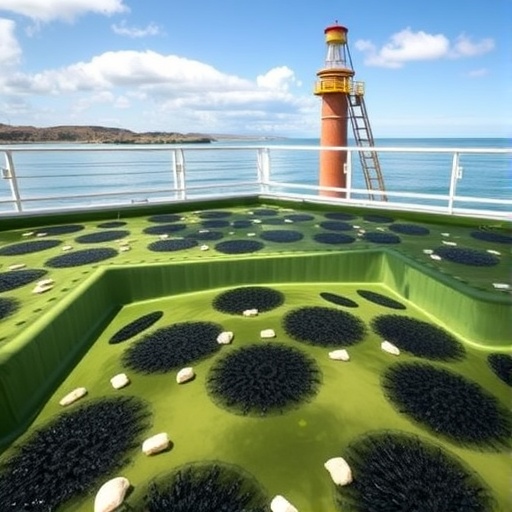
In the eclectic world of environmental microbiology, recent studies have illuminated the potential of microbial life to remediate some of the most challenging pollutants in our ecosystems. One area that has garnered significant attention is the degradation of acrylamide, a potent contaminant often found in oilfield produced water. Researchers, led by K. Jedda, M. Al-Hinai, and H. Al Battashi, have undertaken an ambitious endeavor to understand how microbial mat microorganisms can transform this harmful compound into benign substances, thus paving the way for sustainable solutions in environmental management.
Acrylamide is a compound produced during the processing of some foods and as a byproduct in various industrial processes, particularly in oil extraction. This toxic substance poses significant risks to human health and the environment, including neurotoxicity and potential carcinogenic effects. The presence of acrylamide in produced water, a byproduct of oil and gas extraction, raises alarm bells for environmentalists and health advocates alike. Such water often contains a cocktail of other harmful compounds, making its treatment a complex challenge.
In this innovative study, the researchers utilized microbial mats—complex communities of microorganisms that thrive in diverse environments, ranging from shallow lakes to hot springs. These biological systems exhibit remarkable capabilities for bioremediation due to their intricate networks of community interactions. The textures and structures within microbial mats create niches for various microbial life forms, each contributing to the breakdown of toxic compounds, including acrylamide, through a variety of metabolic pathways.
The research team employed a variety of experimental setups to evaluate the efficacy of microbial mats in degrading acrylamide. Their rigorous methodology included controlling environmental parameters such as temperature, pH, and nutrient availability to ascertain optimum conditions for microbial activity. These variables were crucial, as the efficiency of microbial degradation can significantly fluctuate based on environmental influences. By simulating natural conditions, the scientists were able to derive insights relevant to real-world applications in the field.
Throughout the study, the researchers meticulously measured reductions in acrylamide concentration. The results were promising; the microbial mats demonstrated an impressive ability to metabolize acrylamide within a short timeframe. They not only reduced the concentration of this toxic compound but also revealed byproducts formed during the degradation process. Analyzing these metabolites helped illuminate the pathways through which microbial mats operate, ultimately leading to a better understanding of their potential applications in bioremediation technologies.
One of the most intriguing findings of the study was the discovery of specific microbial taxa that played a dominant role in the degradation process. The researchers identified various bacteria and archaea, some of which had not previously been linked to acrylamide degradation. This finding not only expands our knowledge about microbial diversity but also highlights the adaptability of microorganisms in utilizing toxic compounds as substrates for growth. Multiple strains demonstrated unique metabolic capabilities, indicating that a consortium of microbes working together can enhance the degradation efficiency manifold.
Moreover, the study addressed the potential scalability of using microbial mats in real-world applications. While laboratory conditions provided vital data, the researchers emphasized the need for field trials to evaluate the practicality and effectiveness of these biological systems in treating contaminated produced water on a larger scale. The transition from bench-scale experiments to field applications poses significant challenges, including the stability of microbial communities and their resistance to environmental stresses.
As the oil and gas industry continues to grapple with the implications of its wastewater management practices, the insights from this study could be revolutionary. The integration of microbial mats not only offers a biological solution for remediating polluted water but also aligns with growing environmental sustainability practices. By employing nature-based solutions, industries can mitigate their ecological footprints while contributing to cleaner waterways and healthier ecosystems.
Furthermore, public interest in environmental issues has prompted calls for innovative and clean technologies. The potential implementation of microbial mats as a sustainable solution represents a convergence of science and activism, highlighting the role of researchers in addressing pressing environmental challenges. Increasing awareness and support for such bioengineering approaches can pave the way for funding and development of new biotechnologies that harness the power of microorganisms for pollution control.
The research raises further questions about how manipulating these microbial communities could enhance their performance. Future work may focus on optimizing the conditions under which microbial mats thrive, possibly utilizing genetic techniques to engineer strains for higher efficacy in pollutant degradation. Such advancements could lead to tailored bioremediation strategies that target a range of contaminants, providing a comprehensive approach to environmental restoration.
Ultimately, the collaboration between researchers in this field opens avenues for interdisciplinary studies, bridging microbiology, environmental engineering, and biotechnology. The holistic understanding of microbial ecology not only fosters the exploration of novel applications in wastewater treatment but also prompts discussions about the role of citizen science and public engagement in environmental stewardship. With continued research and public interest, the potential to harness microbial life for ecological benefit is becoming a reality.
In summation, the degradation of acrylamide in oilfield produced water by microbial mat microorganisms illustrates a promising facet of environmental microbiology. As researchers delve deeper into understanding these complex microbial systems, we can anticipate breakthroughs that not only address pollution but also enhance our grasp of biological resilience and diversity. The potential of microbial life as a tool for environmental remediation is an exciting frontier—one that holds the key to creating a sustainable and healthier world for future generations.
Subject of Research: Degradation of acrylamide in oilfield produced water by microbial mat microorganisms
Article Title: Degradation of acrylamide in oilfield produced water by microbial mat microorganisms
Article References:
Jedda, K., Al-Hinai, M., Al Battashi, H. et al. Degradation of acrylamide in oilfield produced water by microbial mat microorganisms.
3 Biotech 16, 60 (2026). https://doi.org/10.1007/s13205-025-04683-x
Image Credits: AI Generated
DOI: https://doi.org/10.1007/s13205-025-04683-x
Keywords: acrylamide degradation, microbial mats, bioremediation, oilfield produced water, microbial ecology


