

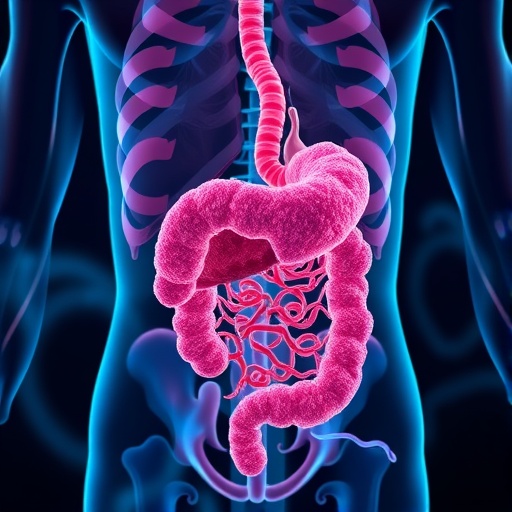
In a groundbreaking study poised to redefine our understanding of the interplay between microbiota and chronic liver disease, researchers have unveiled a critical mechanism by which microbial collagenase enzymes contribute to the translocation of oral bacteria into the gut. This discovery sheds new light on the pathological processes underpinning advanced chronic liver disease and opens novel avenues for therapeutic intervention aimed at mitigating systemic complications associated with microbial migration.
Chronic liver disease, marked by progressive hepatic fibrosis, often culminates in cirrhosis with a cascade of systemic effects. Among these, the translocation of bacteria from the oral cavity to the gut, and subsequently into systemic circulation, represents a significant contributor to disease exacerbation and morbidity. However, the biochemical and microbiological factors facilitating this microbial migration have remained elusive until now.
The article, published in Nature Microbiology, delineates the role of microbial collagenase enzymes — proteolytic molecules specialized in degrading collagen, the primary structural protein within the extracellular matrix — in disrupting mucosal barriers that ordinarily confine oral microbiota. By enzymatically degrading collagen-rich tissues lining the oral and gastrointestinal tracts, these microbial enzymes facilitate bacterial penetration and migration, fundamentally altering microbial ecology and host-pathogen interactions.
Detailed metagenomic analyses confirmed that patients with advanced chronic liver disease exhibit elevated levels of oral-origin bacteria within the gut milieu. This observation was corroborated by quantitative measurements of collagenase activity within biological samples, highlighting a direct correlation between enzymatic degradation potential and the degree of bacterial translocation. Notably, certain microbial species with heightened collagenase production capacity were identified as key players in this pathological migration.
Further elucidation of the molecular underpinnings revealed that microbial collagenase disrupts the structural integrity of the intestinal epithelial barrier, a defense system paramount to gut homeostasis. The degradation of collagen fibrils compromises tight junctions, facilitating paracellular migration of bacteria and microbial products. This breach enhances systemic exposure to endotoxins and proinflammatory molecules, thereby exacerbating hepatic inflammation and fibrosis progression.
Perhaps most compellingly, the study identifies a feedback loop wherein liver dysfunction fosters an environment conducive to microbial overgrowth and collagenase activity, which in turn accelerates barrier disruption and bacterial translocation. This vicious cycle accentuates disease progression and complicates clinical management strategies, underscoring the critical need for targeted microbial and enzymatic modulation.
From a clinical standpoint, these insights bear profound implications. The identification of microbial collagenase as a pivotal mediator invites the exploration of inhibitors that could attenuate enzymatic activity, thus preserving mucosal integrity. Such therapeutic interventions have the potential to limit bacterial dissemination, reduce systemic inflammation, and improve prognoses in patients with advanced liver disease.
Moreover, this research redefines the oral cavity not merely as a passive microbial reservoir but as an active contributor to systemic pathologies through enzymatic facilitation of microbial translocation. This paradigm shift could trigger a reassessment of oral health management within the broader context of systemic chronic diseases, advocating for heightened attention to microbial populations capable of producing collagen-degrading enzymes.
The investigative team employed an integrative approach combining high-resolution imaging, enzymatic assays, and microbial sequencing to construct a comprehensive portrait of microbe-host interactions. Confocal laser scanning microscopy vividly captured spatial relationships between collagen fibers and invading bacteria in situ, while enzyme kinetics provided quantitative measures of collagenolytic potency across microbial populations.
Equally notable is the identification of specific bacterial taxa enriched in collagenase genes within diseased individuals, suggesting a selective microbial adaptation or expansion under pathophysiological conditions. These species’ genetic signatures offer promising biomarkers for disease staging and therapeutic targeting, potentially enabling precision medicine approaches tailored to microbial enzymatic profiles.
The study also discusses the interplay between host immunity and microbial enzymatic activity, highlighting how immune dysregulation characteristic of liver disease may fail to contain collagenase-producing pathogens effectively. This immunological permissiveness further propagates epithelial barrier compromise and bacterial dissemination, reinforcing the complexity of host-microbe dynamics in chronic illness.
Integrating these findings into clinical practice may necessitate interdisciplinary strategies encompassing microbiology, hepatology, and oral medicine. Screening for elevated collagenase activity or oral-to-gut bacterial translocation markers could become part of routine assessments, guiding early intervention before irreversible liver damage ensues.
Future research directions are poised to explore small-molecule inhibitors or biologics capable of neutralizing microbial collagenase, alongside probiotic or antimicrobial regimens aimed at rebalancing oral and gut microbiomes. Additionally, longitudinal studies could elucidate the temporal relationship between collagenase activity and disease progression, refining prognostic models.
This study illuminates a hidden, enzymatically mediated conduit facilitating microbial dissemination in chronic liver disease, emphasizing the dynamic symbiosis between microbial communities and host tissue architecture. By deciphering the collagenase-driven mechanism of oral-gut translocation, researchers have opened a promising chapter in the quest to alleviate the multifaceted burden of liver pathology through targeted microbial intervention.
As the scientific community continues to unravel the complex interdependencies of the human microbiome and systemic health, these findings stand as a testament to the nuanced and potent influence of microbial enzymes beyond infection, positioning them as central players in chronic disease pathogenesis and therapeutic innovation.
Subject of Research: Microbial mechanisms facilitating oral-to-gut bacterial translocation in advanced chronic liver disease.
Article Title: Microbial collagenase activity is linked to oral–gut translocation in advanced chronic liver disease.
Article References:
Jin, S., Cenier, A., Wetzel, D. et al. Microbial collagenase activity is linked to oral–gut translocation in advanced chronic liver disease. Nat Microbiol (2025). https://doi.org/10.1038/s41564-025-02223-0
Image Credits: AI Generated
DOI: https://doi.org/10.1038/s41564-025-02223-0


