

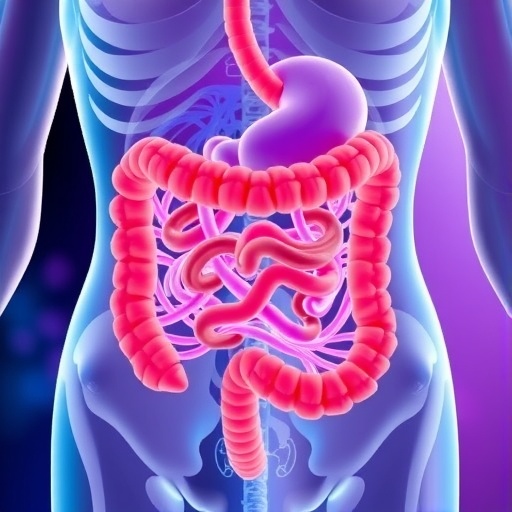
The human gastrointestinal tract is a biochemical powerhouse, teeming with an astonishing array of small molecules that play pivotal roles in maintaining gut health and overall systemic well-being. These molecules arise from a complex interplay of dietary intake, microbial metabolism, and host biochemical processes, forming a dynamic chemical ecosystem within our intestines. Recent groundbreaking research has begun to unravel the profound impact these metabolites exert on the pathogenesis of a wide spectrum of intestinal diseases, ranging from inflammatory and metabolic disorders to neoplastic transformations. This emerging understanding heralds an exciting new frontier in gastroenterology—one where targeted modulation of intestinal metabolites, termed metabotherapy, promises to revolutionize the prevention and treatment of gut diseases.
At the core of this paradigm shift lies the remarkable accessibility of the gastrointestinal tract for therapeutic intervention. Unlike many internal organs, the gut is directly reachable via oral administration, allowing for innovative strategies to fine-tune metabolite profiles with high specificity. This accessibility presents an untapped opportunity to develop precision therapies that harness or correct the gut’s chemical environment to restore homeostasis and impede disease progression. As such, metabotherapy is poised to become a cornerstone in personalized medicine for intestinal disorders, offering new hope where traditional treatments have fallen short.
Delving deeper into the biochemical interactions, recent studies have illuminated the manifold mechanisms by which intestinal metabolites influence the biology of the gut’s resident cells. Immune cells residing in the gut-associated lymphoid tissue, epithelial cells lining the intestinal walls, and the enteric nervous system neurons are all sensitive to the local metabolite milieu. These metabolites act as signaling molecules, modulating immune responses, maintaining epithelial barrier integrity, and orchestrating neuronal signaling that governs gut motility and secretion. Disruptions in these metabolite-mediated pathways are intricately linked to the manifestation of diseases such as inflammatory bowel disease (IBD), irritable bowel syndrome (IBS), and colorectal cancer.
One of the most compelling aspects of intestinal metabolites is their dual origin and multifaceted functions. Dietary nutrients provide the raw material for metabolite formation, but it is the gut microbiota that metabolizes these nutrients into bioactive compounds. The host’s own metabolic machinery further modifies these compounds, creating a vast chemical landscape. This tripartite interaction results in metabolites that can possess anti-inflammatory properties, promote barrier function, or conversely, trigger pathological cascades when present in aberrant concentrations. Understanding these nuanced interactions has been critical in identifying target metabolites for therapeutic modulation.
Classifying intestinal metabolites into distinct categories based on their therapeutic potential facilitates the development of tailored intervention strategies. Broadly, metabolites can be divided into classes such as short-chain fatty acids, amino acid derivatives, bile acids, and microbial secondary metabolites. Each class interacts differently with cellular targets and elicits varying physiological effects. For example, short-chain fatty acids like butyrate are known to have potent anti-inflammatory effects and support epithelial health, making them attractive targets in IBD management. Conversely, certain bile acid derivatives have been implicated in colorectal carcinogenesis, pointing to avenues for preventive metabotherapy.
Evidence from preclinical models has been instrumental in establishing causal relationships between specific metabolites and intestinal pathologies. Animal studies have demonstrated that adjusting metabolite levels can ameliorate disease symptoms, reduce inflammation, and restore epithelial integrity. These findings have been bolstered by emerging clinical data showing correlations between metabolite profiles and disease severity in patients. Collectively, this body of work underscores the therapeutic promise of metabolite manipulation as a versatile and effective approach.
In inflammatory bowel diseases such as Crohn’s disease and ulcerative colitis, dysregulated metabolite signaling has been identified as a key pathogenic factor. Aberrant microbial metabolism leads to reduced levels of beneficial metabolites and an increase in pro-inflammatory compounds. Therapeutic strategies aiming to replenish protective metabolites or inhibit harmful ones are under active investigation. These include the use of metabolite analogs, probiotics designed to restore metabolite balance, and dietary interventions tailored to favor beneficial metabolite production.
Irritable bowel syndrome presents unique challenges given its functional nature and lack of overt inflammation. However, metabolomic analyses reveal altered profiles of gut metabolites that affect neuronal signaling and gut motility. Targeting these metabolites offers an exciting new approach to modulate the gut-brain axis and alleviate the characteristic symptoms of IBS. This represents a tangible shift from symptom-focused treatments to therapies addressing underlying biochemical dysregulation.
Colorectal cancer, traditionally approached as a purely genetic disease, is increasingly understood to have significant metabolic components. Specific microbial metabolites have been implicated in tumor promotion or suppression, depending on context. Modulation of these metabolites opens possibilities for chemopreventive strategies and adjunct therapies that enhance conventional treatment efficacy. The dual role of metabolites in cancer biology exemplifies the complexity and therapeutic potential inherent in metabotherapy.
Emerging research also highlights the role of intestinal metabolites in enteric infections, where microbial metabolites can influence pathogen colonization and host immune defenses. Manipulating these chemical signals may enhance mucosal immunity and fortify resistance to infection. Similarly, in food allergy and celiac disease, metabolites modulate immune tolerance and inflammatory responses, creating opportunities for novel interventions that promote gut immunological balance.
Metabolic syndrome and obesity, though systemic disorders, have profound gastrointestinal components tied to metabolite dysregulation. Altered production and signaling of gut-derived metabolites contribute to insulin resistance, low-grade inflammation, and lipid metabolism disturbances. Metabotherapy targeting these metabolites holds promise for addressing metabolic disease at its gastrointestinal roots, potentially transforming management paradigms.
While the field of metabotherapy is still nascent, the accumulation of mechanistic insights and translational evidence marks a crucial inflection point. Developing precise metabolite-based therapeutics will require comprehensive profiling of metabolite networks, identification of optimal intervention points, and rigorous clinical testing. Advances in metabolomics, microbiome analysis, and synthetic biology are converging to make this vision attainable.
Looking ahead, integrating metabotherapy with established treatments could enhance efficacy and reduce side effects by restoring the gut’s biochemical harmony. Personalized metabotherapy regimens, informed by patient-specific metabolomic profiles, could optimize outcomes and usher in a new era of customized medicine for intestinal diseases. This integrative approach underscores the transformative potential of leveraging small molecules within the gut ecosystem.
In summary, the elucidation of how intestinal metabolites govern health and disease unveils a compelling framework for novel therapeutic strategies. By harnessing the diverse chemical repertoire within the gastrointestinal tract, metabotherapy stands to revolutionize the prevention and treatment of a wide array of gut disorders. The path forward demands multidisciplinary collaboration, cutting-edge technology, and clinical innovation to translate this promising science into tangible health benefits for millions affected by intestinal diseases worldwide.
Subject of Research:
The role of intestinal metabolites in the pathophysiology and treatment of gastrointestinal diseases.
Article Title:
Metabotherapy for intestinal disease: using metabolites to prevent and treat disorders of the gut.
Article References:
Liu, S., Domingo-Vidal, M., Madhu, B. et al. Metabotherapy for intestinal disease: using metabolites to prevent and treat disorders of the gut. Nat Rev Gastroenterol Hepatol (2026). https://doi.org/10.1038/s41575-026-01178-9
Image Credits: AI Generated
DOI: 10.1038/s41575-026-01178-9
Keywords:
Metabotherapy, intestinal metabolites, gastrointestinal diseases, inflammatory bowel disease, irritable bowel syndrome, colorectal cancer, gut microbiota, metabolomics, gut immunity, metabolite-based therapeutics


