

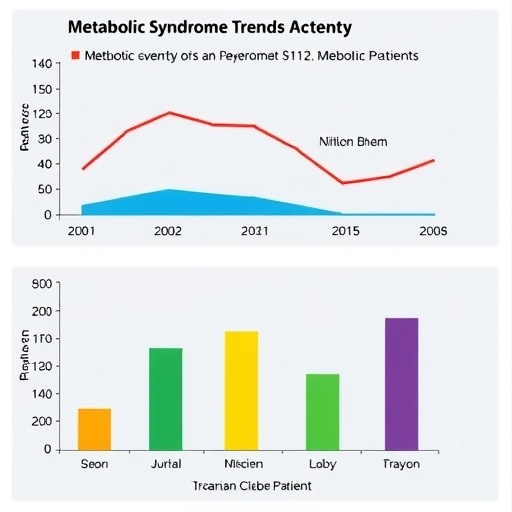
In recent years, metabolic syndrome has emerged as a significant health concern, particularly among populations with diabetes. A nationwide study conducted in Iran offers new insights into the prevalence of this condition among Iranian diabetic patients and its correlation with cardiovascular disease and various diabetes-related complications. The research, a crucial effort tied to the National Program for Prevention and Control of Diabetes, presents startling trends that may shape public health strategies and medical interventions in the region.
Metabolic syndrome encompasses a cluster of conditions that occur together, increasing the risk of heart disease, stroke, and diabetes. These conditions include heightened blood pressure, elevated blood sugar levels, excess body fat around the waist, and abnormal cholesterol or triglyceride levels. Understanding its prevalence in diabetic patients is essential, as this demographic faces already heightened health risks. The research focuses on these correlations and seeks to provide a holistic understanding of how metabolic syndrome and diabetes intertwine.
For this particular study, the researchers engaged with a comprehensive dataset that includes a significant number of diabetic patients from across Iran. This wide-ranging population sample allows for robust conclusions and highlights the seriousness of metabolic syndrome within this specific patient demographic. The analysis not only sheds light on the current state of metabolic syndrome in Iran but also serves as a wake-up call regarding the urgent need for preventive measures and intervention strategies.
As metabolic syndrome is often associated with lifestyle factors, the study also examines correlations with dietary habits and physical activity levels among Iranian diabetic patients. The findings underscore the impact of poor diet, sedentary lifestyles, and socio-economic factors on the prevalence of metabolic syndrome. This not only implicates individual choices but also highlights the role of broader societal influences in the development of these health issues.
The study revealed an alarming increase in the prevalence of metabolic syndrome among the diabetic population, which also correlated with a surge in cardiovascular disease cases. These results raise essential questions about the existing healthcare frameworks and highlight the necessity for targeted health policies. Health strategists and policymakers may need to recalibrate their efforts to address these interrelated health conditions and consider a more integrated approach to diabetes care.
Furthermore, the investigation into the association between metabolic syndrome and diabetes complications revealed significant insights. Diabetic patients who also presented symptoms of metabolic syndrome experienced higher levels of complications, including kidney disease, neuropathy, and retinopathy. These complications not only affect patient quality of life but also significantly increase healthcare costs and burden the already strained healthcare systems in Iran.
What is particularly compelling about this research is its potential impact on the understanding of metabolic diseases on a global scale, especially in middle-income countries like Iran. By illustrating the specific challenges faced by this population, the findings encourage other nations facing similar health dynamics to consider integrative healthcare models that address multiple conditions simultaneously.
Public health education emerges as a critical theme throughout the study. Not only do individuals need to be aware of their health metrics, but communities and healthcare providers must also engage in proactive discussions about the prevention of metabolic syndrome. This requires a concerted effort involving health education campaigns, community outreach programs, and partnerships with local organizations that promote healthier lifestyle choices.
Moreover, the implications for clinicians and healthcare providers are profound. With the evident association between metabolic syndrome and increased risks of diabetes-related complications, medical professionals must assess and monitor their diabetic patients for signs of metabolic syndrome regularly. This proactive approach could lead to better management of both diabetes and its comorbid conditions, ultimately improving patient outcomes.
The authors of the study call upon public health officials and healthcare systems to enhance their surveillance of metabolic syndrome, particularly among vulnerable populations. Enhanced data collection and analysis will enable better resource allocation and facilitate the development of targeted interventions that could significantly reduce prevalence rates in future years.
In conclusion, the ongoing research sheds light on the intricate relationships between metabolic syndrome, diabetes, and cardiovascular health among Iranian patients. The urgency of addressing this public health challenge cannot be overstated, given the implications for affected individuals and society at large. As research continues to evolve, it will be vital for healthcare stakeholders to absorb these findings and escalate efforts to combat metabolic syndrome through effective prevention and management strategies.
Ultimately, this nationwide study could mark a turning point for how metabolic syndrome is approached in diabetes care, pushing our understanding of patient health toward a more preventive and comprehensive model. As health insights deepen, we stand on the brink of potential transformations in healthcare strategies—transitions that could yield benefits not just for current generations, but for future health landscapes globally.
As we advance into a future where health conditions are becoming more intertwined, it is critical for researchers, clinicians, and public health officials to foster collaborations that transcend traditional boundaries. By doing so, we can build a more resilient healthcare network capable of addressing both metabolic syndrome and diabetes in tandem, paving the way toward a healthier society.
In essence, the study underscores a crucial narrative in the ongoing dialogue about public health: the need for vigilance, education, and the integration of care in the pursuit of better health for all, especially in vulnerable populations battling chronic diseases.
Subject of Research: Prevalence of metabolic syndrome among Iranian diabetic patients and its association with cardiovascular diseases.
Article Title: Trends of metabolic syndrome among Iranian patients with diabetes and its association with cardiovascular disease and diabetes complications: a nationwide study of the National Program for Prevention and Control of Diabetes.
Article References:
Ghaemi, F., Hedayati, F., Esteghamati, A. et al. Trends of metabolic syndrome among Iranian patients with diabetes and its association with cardiovascular disease and diabetes complications: a nationwide study of the National Program for Prevention and Control of Diabetes.
BMC Endocr Disord 25, 230 (2025). https://doi.org/10.1186/s12902-025-02050-8
Image Credits: AI Generated
DOI: https://doi.org/10.1186/s12902-025-02050-8
Keywords: metabolic syndrome, diabetes, cardiovascular disease, Iran, public health, epidemiology, chronic disease, healthcare strategies.


