

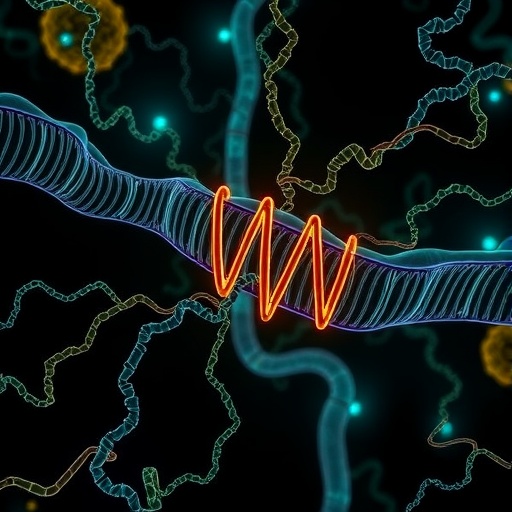
The plasma membrane, a fundamental structure defining the boundary between a cell and its external environment, represents one of the most critical evolutionary innovations in the history of life. This semi-permeable barrier not only regulates the influx and efflux of molecules but also enables cells to communicate, cooperate, and ultimately give rise to complex multicellular organisms. However, this fragile membrane is under constant threat from mechanical forces, environmental stressors, and biological agents such as bacterial toxins. Any breach in this membrane poses an existential risk to the cell, as failure to promptly and effectively repair such damage leads to cell death. Understanding the intricacies of plasma membrane repair is therefore pivotal not only for cell biology but also for identifying therapeutic targets in diseases linked to membrane integrity failure.
Despite its crucial biological importance, the molecular mechanisms governing plasma membrane repair have remained shrouded in mystery. Recent advances by researchers at the Okinawa Institute of Science and Technology (OIST) have now illuminated this complex cellular process with unprecedented clarity. Focusing on budding yeast as a model organism, Dr. Yuta Yamazaki and colleagues conducted an extensive proteomic screen coupled with cutting-edge live-cell imaging to map the spatial and temporal dynamics of proteins involved in plasma membrane repair. Their groundbreaking study, published in eLife, identified a remarkable total of 80 proteins implicated in the repair process, with 72 proteins never before associated with membrane repair activities.
The research team’s experimental approach was meticulous and innovative. They conducted a proteome-wide investigation of yeast cells under both normal conditions and artificial plasma membrane stress, induced by precisely targeted laser ablation. Through this dual-condition analysis, they captured an active snapshot of cellular responses, allowing them to track protein mobilization from the moment of damage. What emerged was a detailed choreography of molecular actors responding to membrane breaches, elucidating the exact sequence of repair mechanisms deployed by the cell.
Initial responders to plasma membrane damage were identified within the Pkc1 signaling pathway. As a well-known regulator of cell wall integrity and membrane stabilization, Pkc1’s rapid accumulation at wound sites within approximately two minutes signifies its essential role as a first-line defense against cellular rupture. This immediate recruitment underscores a coordinated cellular prioritization where stabilizing the structural integrity of the puncture is paramount before other repair components are activated.
Following Pkc1, the researchers documented the involvement of exocytosis in the repair sequence. This vesicle-mediated fusion process serves to deliver fresh lipids and membrane-building materials directly to the injury site. The integration of these components is critical for physically sealing the plasma membrane breach, preventing cytoplasmic leakage, and restoring barrier functionality. The dynamic vesicular trafficking observed aligns with known exocytotic functions but in the context of a damage response, revealing a repurposing of these pathways beyond their established roles in cellular growth.
Unexpectedly, the study unveiled a significant later-stage contribution from clathrin-mediated endocytosis (CME), a process traditionally associated with nutrient uptake and membrane remodeling. CME at the damage site appears to facilitate the removal of excess lipid and protein material, effectively remodeling the newly repaired membrane to restore its typical architecture and functional properties. This discovery is particularly striking as the role of CME was previously recognized in mammalian cells but not reported in yeast, suggesting a deeply conserved evolutionary mechanism that predates the divergence of these organisms.
A further fascinating revelation from this study was the observation that many proteins commonly localized to the budding tip of yeast, a zone of active membrane synthesis and cell growth, were redeployed to the damage site. Such proteins temporarily abandoned their canonical roles in growth to participate in membrane repair, indicating that the molecular machinery for membrane biosynthesis and damage repair share significant overlap. This plasticity highlights the cell’s capacity to prioritize survival by reallocating resources and reprogramming existing pathways to address urgent cellular threats.
These comprehensive insights provide a spatiotemporal map of plasma membrane repair, bridging gaps in molecular understanding and offering a rich resource for the scientific community. As Dr. Yamazaki emphasizes, these findings lay a foundation for exploring membrane repair dynamics in higher eukaryotes, including human cells, with implications that extend into health and disease contexts. The plasma membrane’s integrity is increasingly recognized as a determinant of cellular aging and viability, linking damage repair mechanisms directly to organismal lifespan and pathogenic states such as muscular dystrophy.
Moreover, the identification of 80 proteins involved in the repair process represents a significant expansion in our inventory of membrane repair factors and opens multiple avenues for future research. The newly cataloged proteins invite functional characterization, potentially uncovering novel targets for therapeutic intervention aimed at enhancing membrane repair capacity or modulating apoptotic pathways triggered by membrane failure.
In addition to advancing fundamental cell biology, this research underscores the importance of model organisms like budding yeast to illuminate conserved biological processes. By exploiting genetic tractability and live-cell imaging in yeast, the OIST team has demonstrated how ancient cellular strategies for self-preservation encode both evolutionary history and biomedical relevance.
Intricately capturing the molecular ballet by which cells detect, stabilize, repair, and remodel their plasma membrane reveals the sophisticated complexity underlying cellular homeostasis. This work not only answers longstanding questions about membrane repair mechanisms but also reshapes our understanding of the cellular response to injury, emphasizing the interconnectedness of signaling pathways, membrane trafficking, and structural protein networks in maintaining cellular integrity.
The new model of plasma membrane repair thus presents a compelling example of cellular adaptability—how life at its most fundamental level negotiates physical disruption through coordinated biochemical response and spatial reorganization of proteins. The implications of such discoveries ripple across fields from molecular biology to aging and regenerative medicine, spotlighting the vital importance of maintaining the barrier between life’s internal milieu and the external world.
As research continues, translating these findings from yeast to human biology will be a significant next step. Understanding how analogous pathways function in complex tissues and organs could inform new strategies to mitigate diseases driven by cellular membrane failure and contribute to the development of therapies that bolster cellular resilience against mechanical and environmental challenges.
Subject of Research: Cells
Article Title: Large-scale identification of plasma membrane repair proteins revealed spatiotemporal cellular responses to plasma membrane damage
News Publication Date: 10-Mar-2026
Web References:
DOI Link
Image Credits: Yamazaki & Kono, 2025
Keywords
Plasma membrane repair, Pkc1 signaling, exocytosis, endocytosis, clathrin-mediated endocytosis, budding yeast, cellular response, membrane trafficking, cellular aging, protein dynamics, membrane integrity, cell survival, proteome-wide screening, live-cell imaging, membrane damage


