

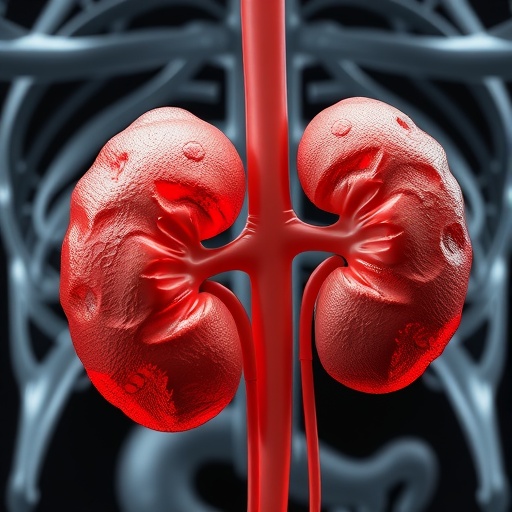
In a groundbreaking study that sheds new light on environmental toxicology, researchers have unveiled compelling evidence that combined exposure to cadmium and arsenic significantly impairs renal function, even at concentrations previously deemed safe. This revelation challenges the traditional paradigm, where individual heavy metal exposures have been the primary focus of risk assessment models, opening a critical discourse on the synergistic effects of multiple contaminants on human health. Published in the Journal of Exposure Science and Environmental Epidemiology, the study spearheaded by Lee et al. delivers vital insights into the mechanisms of kidney damage triggered by co-exposure to these harmful metals.
The scientific community has long recognized the nephrotoxic properties of cadmium and arsenic as isolated agents. Cadmium, a byproduct of industrial processes and cigarette smoke, is notorious for its prolonged biological half-life and cumulative toxicity in kidney tissues. Arsenic, often introduced to ecosystems through natural deposits and pollution, exerts a multifaceted toxicity that includes interference with cellular respiration and induction of oxidative stress. What remains less explored, until now, are the consequences of simultaneous exposure to both elements, which realistically mirrors environmental conditions in many regions across the globe.
Utilizing a robust experimental framework, the authors meticulously exposed renal cell models and animal subjects to environmentally relevant doses of cadmium and arsenic, both individually and in combination. The results were unequivocal: while individual heavy metal exposure induced moderate nephrotoxicity, co-exposure precipitated a dramatic exacerbation in renal injury markers. This amplification of damage was observed at lower concentrations of each metal than those typically associated with adverse effects, underscoring the heightened risk posed by combined environmental contaminants.
At the cellular level, the study uncovered that the dual assault of cadmium and arsenic triggers unprecedented oxidative stress within kidney tissues. This is characterized by a significant upregulation of reactive oxygen species (ROS), lipid peroxidation, and depletion of the antioxidant defense system. The synergistic increase in ROS generation facilitates mitochondrial dysfunction, leading to enhanced apoptosis and necrosis of renal tubular cells. These microscopic changes coalesce to impair the kidneys’ crucial role in filtration, electrolyte balance, and metabolic waste removal.
Moreover, the co-exposure scenario was found to modulate inflammatory pathways in a manner not evident with isolated metals. Pro-inflammatory cytokines such as TNF-alpha and IL-6 were markedly elevated, indicating an immune response that probably exacerbates tissue injury. This inflammatory milieu promotes fibrosis, a process where healthy renal parenchyma is replaced by scar tissue, ultimately leading to chronic kidney disease (CKD) progression—a major public health concern worldwide.
The epidemiological implications of this research are profound. Populations residing near mining operations, industrial hubs, and areas with arsenic-contaminated groundwater are at an underappreciated risk for compounded renal toxicity. Regulatory limits currently in place, primarily based on single-metal exposure data, may underestimate the real-world hazard where multiple toxins co-exist. The findings advocate for integrated risk assessment strategies that account for cumulative and interactive effects of environmental pollutants.
Dr. Jae Eun Lee, the study’s lead author, emphasizes that “our work demonstrates the urgency of revising environmental safety thresholds to reflect combined exposure scenarios. Traditional toxicological evaluations do not fully capture the complex chemical interactions that occur in the environment, leading to potentially severe health outcomes overlooked in routine surveillance.” Such insights necessitate a re-evaluation of public health policies and enhancement of environmental monitoring protocols.
The research also delved into molecular signaling cascades influenced by metal co-exposure. Notably, the study highlighted dysregulation in the Nrf2-antioxidant response element (ARE) pathway, which normally acts as a cellular shield against oxidative damage. Suppression of Nrf2 signaling by combined cadmium and arsenic exposure diminishes the cell’s ability to counterbalance oxidative insults, rendering renal tissues more vulnerable to injury. This mechanistic understanding opens avenues for therapeutic interventions aimed at bolstering endogenous defense systems.
Additionally, the study explored the role of metal transporters in facilitating enhanced uptake and accumulation of toxic ions in the kidney. Altered expression of divalent metal transporter 1 (DMT1) and aquaporin channels in response to co-exposure was documented, contributing to an increased intracellular burden of cadmium and arsenic. This phenomenon may partly explain the potentiation of toxic effects, as the renal accumulation of metals is a critical determinant of toxicity severity.
In parallel with laboratory findings, the authors integrated human biomonitoring data that revealed elevated blood and urine levels of combined cadmium and arsenic in affected populations. These clinical correlates reinforce the translational relevance of the research and emphasize the need for targeted screening programs in high-risk areas. The study advocates for interdisciplinary collaboration between toxicologists, nephrologists, and environmental scientists to mitigate exposure and manage resultant health risks.
This study’s implications extend beyond individual health, touching on economic and societal burdens. Kidney damage resulting from environmental toxin exposure leads to increased healthcare costs, loss of productivity, and diminished quality of life. Early identification and prevention strategies informed by such research can alleviate the strain on healthcare systems, while fostering environmental justice by safeguarding vulnerable communities disproportionately affected by pollution.
Furthermore, advancing our understanding of combined metal toxicity facilitates innovation in wastewater treatment and pollution control technologies. By recognizing the heightened dangers posed by metal mixtures, environmental engineers can develop more effective filtration systems tailored to remove co-contaminants, reducing human exposure at the source.
In summary, the pioneering work led by Lee and colleagues challenges prevailing risk paradigms by unveiling the pronounced nephrotoxic effects of cadmium and arsenic co-exposure. It calls for an urgent revision of environmental health policies to integrate the complexities of mixed metal exposures, which are ubiquitous yet insufficiently addressed. This research stands as a clarion call to regulators, scientists, and the broader society to recognize and respond to the synergistic threats posed by environmental pollutants.
As our understanding of environmental health deepens, this study exemplifies the critical importance of examining chemical interactions rather than isolated contaminants. The revelations about co-exposure-induced kidney damage expand the frontier of toxicological science and mandate comprehensive strategies to protect human health in an increasingly polluted world.
Subject of Research: Investigating the combined nephrotoxic effects of environmental cadmium and arsenic exposure.
Article Title: Co-exposure to environmental cadmium and arsenic leads to kidney damage even at lower concentrations.
Article References:
Lee, JE., Baek, JY., Park, JD. et al. Co-exposure to environmental cadmium and arsenic leads to kidney damage even at lower concentrations. J Expo Sci Environ Epidemiol (2025). https://doi.org/10.1038/s41370-025-00828-5
Image Credits: AI Generated
DOI: 26 December 2025


