

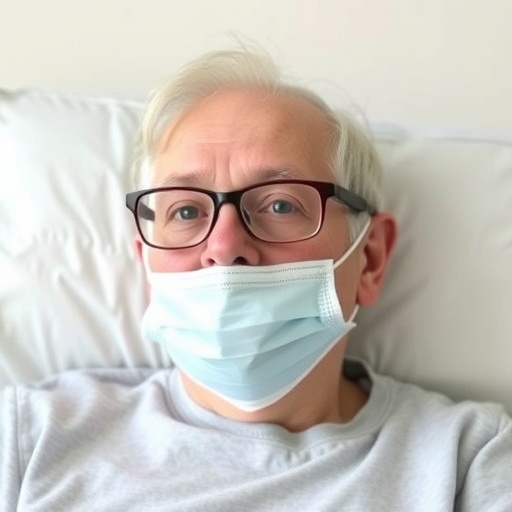
The COVID-19 pandemic has ushered in unprecedented challenges to healthcare systems worldwide, but the implications extend well beyond the immediate viral infection. As countries begin to recover and return to a semblance of normality, attention has shifted to the long-term effects experienced by those who survived the virus. In a groundbreaking multicentric community-based study led by Roy et al., published in “Scientific Reports,” researchers delve into the long-term health-related quality of life (HRQoL) among individuals who have recovered from COVID-19.
The study’s authors meticulously gathered data from a diverse cohort of participants, representing different demographics, regions, and backgrounds. This comprehensive research is not only timely but vital as it sheds light on the mental, physical, and social well-being of individuals post-recovery. The findings call for urgent attention and tailored interventions that address the ongoing challenges faced by these individuals. The long-term consequences of COVID-19 do not merely hinge on health; they also deeply impact quality of life, which is a multifaceted construct involving various dimensions of health and well-being.
While the acute phase of the pandemic primarily stressed infection rates and mortality, the ramifications on mental health and overall quality of life are now surfacing. Many recovered patients report lingering symptoms, commonly referred to as “long COVID.” These symptoms can range from fatigue and cognitive impairment to anxiety and depression. The present study meticulously analyzed these aspects, highlighting that the journey to recovery is often fraught with hurdles that are underestimated or overlooked in traditional health assessments.
The researchers employed validated questionnaires to evaluate HRQoL, ensuring that their findings were grounded in robust and reliable metrics. By examining various domains such as physical functioning, psychological well-being, and social relationships, the study presents a comprehensive overview of the post-COVID experiences of individuals. The objective metrics obtained through these assessments are crucial for understanding the persistent impacts of the virus on everyday life.
Furthermore, the implications of this research extend to public health policy. Governments and health organizations are now faced with the daunting task of integrating the findings into actionable strategies aimed at improving the well-being of COVID-19 survivors. Programs that focus on mental health support, rehabilitation services, and community engagement initiatives must be prioritized to help individuals navigate their post-recovery landscape. The research emphasizes not only the need for clinical intervention but also for social support structures that foster resilience and community re-engagement.
An interesting aspect highlighted by the authors is the variability of HRQoL outcomes based on socio-economic factors. For instance, individuals from lower socio-economic backgrounds not only face the burden of health challenges but also encounter additional stressors related to their living conditions and financial stability. This intersectionality between health and socio-economic status underscores the need for equitable health interventions that encompass all segments of society, ensuring that vulnerable populations are not left behind in recovery efforts.
Moreover, the study suggests that a significant proportion of participants reported feelings of isolation and loneliness, leading to a decline in their mental health post-COVID. Mental health professionals will play a critical role in addressing these issues, promoting coping strategies that encourage social connectivity and emotional resilience. Mental health resources must be made readily accessible to facilitate long-term recovery and well-being for these individuals.
As research continues to evolve in this area, it is essential to recognize that the landscapes of health and recovery are continually shifting. Future studies will benefit from exploring the correlation between ongoing healthcare access and HRQoL among COVID-19 survivors. Longitudinal studies can help map the trajectory of recovery as well as the potential emergence of new health issues stemming from the initial infection.
The findings from Roy et al. are not only significant for the scientific community but also resonate with the public, especially in a world that is coming to terms with the aftermath of one of the most disruptive global health crises in recent history. This research urges us to change our perspective on recovery, moving beyond mere survival metrics to embrace a more holistic approach that values quality of life as a critical outcome of the recovery process.
In conclusion, Roy et al.’s study creates a critical discourse surrounding the long-term impacts of COVID-19, and it serves as a clarion call for both researchers and policymakers. By illuminating the complexities and nuances of health-related quality of life post-COVID, this groundbreaking research lays the foundation for further investigations and interventions. As we collectively rethink recovery, we must prioritize the voices and experiences of those who lived through COVID-19, ensuring they are listened to, supported, and provided with the means for a healthier future.
The path forward involves a commitment to addressing the diverse needs of COVID-19 survivors. The amalgamation of physical rehabilitation, mental health support, and community engagement can pave the way for comprehensive recovery strategies. In doing so, we not only enhance the lives of individuals but also fortify our communities and health systems in the wake of this pandemic. The journey to recovery is ongoing, and the insights gathered from such studies will undoubtedly shape our understanding of health and recovery for generations to come.
Additionally, health researchers and professionals must continue to share findings from studies like this, fostering an environment where knowledge and innovation can thrive. By doing so, we can collectively combat not only the immediate aftermath of the pandemic but also prepare for potential future public health challenges with a more robust and informed approach.
Subject of Research: Long-term health-related quality of life among individuals post-COVID-19 recovery
Article Title: Correction: Long term health related quality of life among individuals after COVID-19 recovery in a multicentric community-based study
Article References:
Roy, S., Malik, A., Singh, A. et al. Correction: Long term health related quality of life among individuals after COVID-19 recovery in a multicentric community-based study.
Sci Rep 15, 43863 (2025). https://doi.org/10.1038/s41598-025-31712-9
Image Credits: AI Generated
DOI:
Keywords: Long COVID, health-related quality of life, recovery, mental health, public health policy.


