

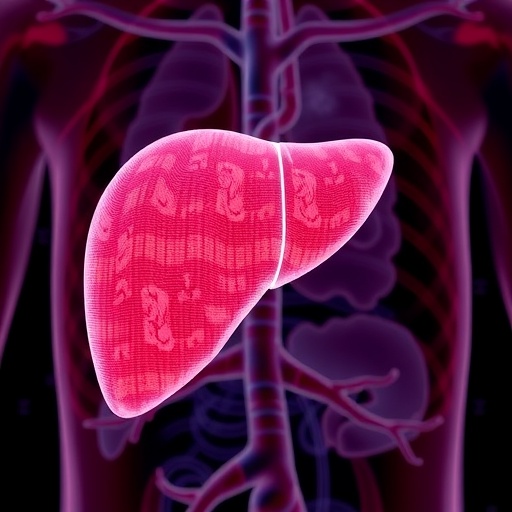
Recent advancements in the field of hepatology have illuminated the complexities surrounding liver regeneration, unveiling a series of intricate molecular mechanisms that govern this remarkable process. The liver, a pivotal organ responsible for numerous metabolic processes, possesses an extraordinary ability to regenerate following injury or surgical resection. Researchers, including Wang et al. in their groundbreaking paper published in the Journal of Translational Medicine, delve deep into the molecular underpinnings that orchestrate this regenerative phenomenon, shedding light on potential clinical applications that could revolutionize treatment protocols for liver-related ailments.
The liver is unique in its regenerative capacity, capable of restoring its mass and function even after significant damage. This regenerative ability is not merely cellular proliferation; it involves a coordinated response from various cell types and the microenvironment. The study by Wang et al. meticulously outlines the signals that activate both hepatocytes and non-parenchymal cells, emphasizing the importance of the extracellular matrix and growth factors in the regeneration process. Understanding these mechanisms is crucial for developing therapies that could enhance liver recovery in patients suffering from chronic liver diseases, injuries, or after surgical interventions.
Molecular signaling pathways play a pivotal role in liver regeneration. The researchers emphasize the importance of the Wnt/β-catenin, Hippo, and JAK/STAT pathways, among others, in modulating cellular behavior during the regeneration phase. These pathways not only influence cell proliferation but also affect differentiation and apoptosis, creating a tightly regulated environment that facilitates recovery. Disruption in these pathways often leads to insufficient regeneration or pathological outcomes, underscoring their critical nature in the healing process.
Inflammation is another critical aspect associated with liver regeneration. Wang and colleagues discuss how the immune response can both support and hinder regenerative outcomes. While pro-inflammatory cytokines can provide necessary signals for regeneration, chronic inflammation may lead to fibrogenesis and ultimately result in liver cirrhosis. This dual role of inflammation highlights the complexity of liver regeneration and the necessity for a balanced immune response to foster effective healing.
Moreover, the researchers address the role of stem cells in liver regeneration, particularly focusing on the potential of hepatic stem/progenitor cells. These cells contribute to liver regeneration in both physiological and pathological contexts, and their harnessing could be pivotal for therapeutic strategies. By manipulating these cellular populations, there’s promise for developing innovative treatments for liver diseases that currently lack effective therapies.
Clinical implications of enhanced understanding of liver regeneration are profound. The data presented by Wang et al. suggests that targeting specific pathways could foster better recovery outcomes in patients. For instance, employing growth factors or cytokines that modulate the regenerative process could significantly improve healing in individuals recovering from liver operations or those with acute liver failure. This translational aspect of their research ties laboratory findings directly to bedside applications, reflecting a growing trend in medicine toward personalized treatment strategies.
The potential integration of gene therapy offers exciting avenues to explore. By precisely targeting the molecular pathways that regulate liver regeneration, researchers could employ viral vectors to deliver corrective genes directly to hepatic cells. This innovative approach holds promise for future treatments of genetic disorders leading to liver dysfunction and could pave the way for personalized regenerative medicine tailored to individual patient needs.
Moreover, the insights gleaned from this study could also impact the field of organ transplantation. Understanding how the liver establishes homeostasis post-transplant could improve graft survival rates and reduce complications associated with transplant rejection. The interplay between immune response and liver regeneration is a focal area for future research, with significant implications for transplant outcomes.
As the researchers conclude, the continual exploration of liver regeneration mechanisms will lead to the discovery of novel therapeutic targets. This ongoing research not only aims to enhance regenerative outcomes in liver disease but also seeks to provide foundational knowledge that could be applicable to other organ systems exhibiting regenerative capabilities.
In summary, the revolutionary findings by Wang and his team elucidate a complex network of interactions that govern liver regeneration. These discoveries bring forth new potentials for clinical applications, emphasizing the significance of collaborations between basic research and clinical innovation. As we further unravel the complexities of liver biology, the horizon for improved therapeutic interventions promises to be both vast and transformative.
This pivotal work serves as a reminder of the need for a multifaceted approach to understand organ regeneration fully, cultivating a landscape ripe for breakthroughs that could ultimately save lives. As the body of research continues to grow, we stand on the precipice of a new era in regenerative medicine, wherein the potential for healing the liver—and many other organs—becomes an achievable reality.
Subject of Research: Liver Regeneration Mechanisms and Clinical Applications
Article Title: Liver regeneration: unraveling the molecular mechanisms and clinical application.
Article References:
Wang, N., Guo, M., Zhang, C. et al. Liver regeneration: unraveling the molecular mechanisms and clinical application.
J Transl Med 23, 1409 (2025). https://doi.org/10.1186/s12967-025-07412-3
Image Credits: AI Generated
DOI: https://doi.org/10.1186/s12967-025-07412-3
Keywords: Liver regeneration, molecular mechanisms, clinical applications, hepatocytes, stem cells, inflammation, organ transplantation, gene therapy.


