

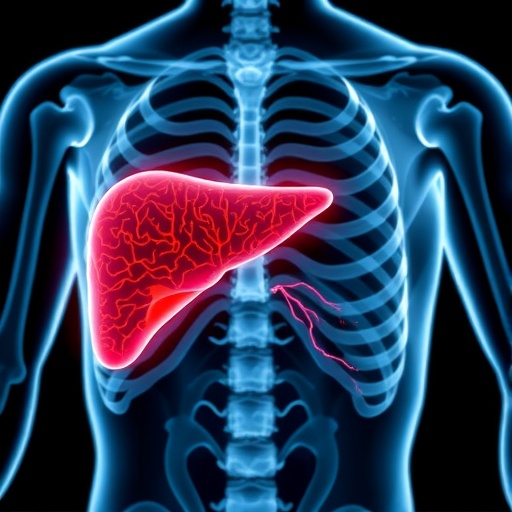
Emerging research from McGill University has uncovered a novel, sex-specific biological mechanism by which the liver influences bone health, shedding new light on the complex interplay between hepatic function and skeletal integrity in males. This groundbreaking study, published in the prestigious journal Matrix Biology, identifies plasma fibronectin—a protein synthesized by the liver and circulated in the bloodstream—as a critical regulator of bone formation exclusively in male mice, providing a potential key to understanding why men with liver disease are disproportionately prone to osteoporosis and related bone density disorders.
Traditionally, osteoporosis has been predominantly characterized as an age-related condition arising from intrinsic changes within the bone microenvironment, with a higher prevalence noted in postmenopausal women due to hormonal decline. However, this investigation challenges the existing paradigm by demonstrating that the liver, an organ conventionally recognized for its metabolic and detoxifying roles, actively contributes to maintaining skeletal robustness through the systemic release of plasma fibronectin. The protein’s presence in systemic circulation is markedly higher in males, and its levels are significantly diminished in the context of liver pathology.
Plasma fibronectin functions as a circulating extracellular matrix glycoprotein that accumulates in the bone matrix where it modulates trabecular bone mass and promotes osteogenic activity. In male mice genetically engineered to lack hepatic fibronectin production, researchers observed pronounced impairments in bone formation and a consequent reduction in bone mass. Contrastingly, female mice exhibited no such deficiencies when hepatic fibronectin was suppressed, underscoring a clear sexual dimorphism in the molecular pathways governing bone remodeling.
This sex-dependent disparity suggests a fundamental biological divergence in the regulation of bone homeostasis. While estrogen fluctuations underpin much of the skeletal changes seen in women, men appear to rely on liver-derived fibronectin to sustain bone density, a discovery that expands our comprehension of bone as an organ system influenced by extrinsic signals from other tissues. Importantly, this insight may elucidate why osteoporosis in men often arises secondary to comorbidities such as chronic liver disease.
Further molecular characterization revealed that circulating fibronectin facilitates osteoblast differentiation and activity, enhancing trabecular bone architecture and mechanical strength. The mechanism seems to involve fibronectin’s interaction with integrin receptors on bone cells, activating intracellular signaling cascades pivotal for extracellular matrix production and mineralization. This systemic mode of action fundamentally revises the traditional, bone-centric view of osteogenesis by highlighting a hepato-skeletal endocrine axis modulating bone anabolism.
Clinical correlations demonstrated that serum fibronectin levels in aging men positively associate with bone mineral density measurements, implicating this liver-secreted protein as a potential biomarker for bone health assessment. The decline of fibronectin in men with compromised hepatic function may therefore represent a pathogenic link underpinning secondary osteoporosis, a condition estimated to account for approximately 60% of male cases.
These findings emphasize the necessity to integrate sex as a critical variable in biomedical research, especially in the study of complex diseases like osteoporosis, which display markedly different prevalence and etiology between males and females. By illuminating a previously unrecognized liver-bone communication pathway specific to males, the study advocates for more personalized diagnostic and therapeutic approaches that consider sex-related biological distinctions.
Moreover, the research carries significant translational implications. Therapeutic strategies aimed at enhancing or mimicking plasma fibronectin activity could constitute innovative interventions to prevent or mitigate bone loss in men, particularly those with liver disease. This could herald a new era of targeted osteoporosis treatments tailored according to hepatic health and sex-specific molecular profiles.
Additionally, the discovery redefines osteoporosis not merely as a skeletal disease but as a systemic condition influenced by inter-organ crosstalk. This paradigm shift necessitates a broader clinical perspective that includes the assessment of liver function and serum fibronectin levels as part of comprehensive bone health evaluations.
Overall, this McGill-led study significantly advances our understanding of bone physiology by integrating hepatic biology into the framework of bone maintenance and highlighting the sexually dimorphic nature of this regulation. It calls for expanded research into the hepatokines influencing skeletal health and provides a springboard for investigating other potential liver-derived mediators with systemic effects on bones.
In conclusion, the revelation that liver-derived plasma fibronectin distinctly regulates bone mass and formation in males represents a transformative insight. It not only complements the existing knowledge on sex hormones and bone density but also opens new frontiers for studying systemic contributors to bone disease. As the population ages and osteoporotic fractures continue to pose a major public health challenge, these findings underscore the importance of a holistic, sex-aware approach to bone health research and clinical management.
Subject of Research: Animals
Article Title: Liver-derived, circulating plasma fibronectin regulates trabecular bone mass and bone formation in adult male mice and its levels in sera associates with bone density in aging men
News Publication Date: 7-Dec-2025
Web References:
https://pubmed.ncbi.nlm.nih.gov/41365401/
DOI: 10.1016/j.matbio.2025.12.001
Keywords: Osteoporosis, Bone diseases, Liver disease, Plasma fibronectin, Bone formation, Sex differences, Hepatic regulation, Bone density, Osteoblast, Trabecular bone


