

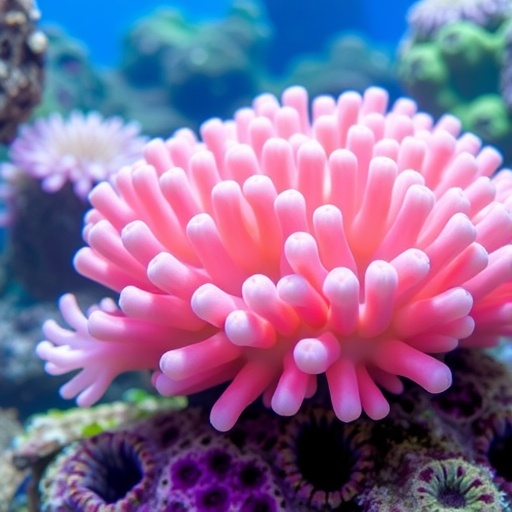
As coral reefs face significant threats from climate change, a newly published study by T.V. Sikorskaya sheds light on the critical role of lipids in the process of coral bleaching. This groundbreaking research not only underscores the importance of lipidomic adaptations but also delves into the biochemical responses of corals under heat stress. This study is poised to contribute to our understanding of coral resilience in the face of increasing ocean temperatures and changing environmental conditions.
Coral reefs, often referred to as the rainforests of the sea, are vital ecosystems that support a myriad of marine life. Their health directly correlates with the well-being of oceanic biodiversity, coastal protection, and even local economies that depend on tourism and fishing. However, rising sea temperatures due to climate change have prompted widespread coral bleaching, a phenomenon that occurs when corals expel the symbiotic algae living within their tissues, leading to devastating consequences for marine ecosystems.
Sikorskaya’s research reveals that lipids, a class of biological molecules that include fats and oils, play a pivotal role in the survival of corals during thermal stress. The study presents a detailed analysis of how lipid composition changes in corals subjected to elevated temperatures. By elucidating these lipidomic adaptations, scientists can better understand how corals cope with stress and potentially harness this knowledge for conservation efforts.
What sets this study apart is its focus on the biochemical mechanisms behind coral reactions to environmental stressors. Through advanced lipidomic techniques, the researchers identified specific lipid molecules that are upregulated in response to heat stress. These lipids appear to serve protective functions, potentially stabilizing cellular membranes and mitigating damage caused by increased temperatures. The findings indicate that not all lipids are created equal; specific lipid classes are crucial for maintaining cellular integrity under duress.
Moreover, the implications of this research extend beyond academic interest. Understanding lipidomic responses can inform conservation strategies by identifying resilient coral species that could serve as the foundation for restoration efforts. As ocean temperatures continue to rise, these revelations may guide efforts to breed or transplant coral species with favorable lipid profiles, enhancing the overall resilience of reef systems.
The study also raises pertinent questions about the long-term survival of coral reefs. If climate change continues to escalate, will the biochemical adaptations identified be sufficient for corals to withstand prolonged periods of heat stress? This pressing question underscores the need for ongoing research in marine biology and ecology to assess the potential of these metabolic pathways as a form of coral resilience.
In addition to examining lipid adaptations, Sikorskaya’s research also explores how environmental stressors interact with genetic factors in corals. The interplay between genotype and lipid composition may unlock further understanding of how certain coral populations are better equipped to handle thermal stress. This genetic basis for stress response could lead to a new era of targeted conservation practices that prioritize the protection of genetically diverse populations capable of adapting to change.
As the scientific community grapples with the conservation of coral reefs, Sikorskaya’s findings provide a beacon of hope. By elucidating the mechanisms behind lipid adaptation, this research helps clarify the complex processes that govern coral health and sustainability. This insight is essential as policymakers, conservationists, and the public form strategies to combat the myriad challenges faced by these vital ecosystems.
The research also emphasizes the importance of interdisciplinary approaches in understanding coral biology. By integrating biochemistry, marine ecology, and environmental science, Sikorskaya and her team have crafted a comprehensive picture of how corals respond to thermal stress at the molecular level. This holistic perspective is crucial, as future research will rely on multifaceted approaches to tackle the pressing challenges that coral reefs encounter.
In conclusion, the study led by T.V. Sikorskaya on the role of lipids in coral bleaching epitomizes the kind of innovative research necessary for confronting the impending crisis facing coral reefs worldwide. By offering deep insights into the biochemical adaptations of corals under heat stress, this work not only enriches scientific literature but also casts a hopeful light on future conservation efforts. As we ponder the fate of coral reefs in a warming world, research like this is vital for informing strategies that could secure the survival of these essential ecosystems.
With ongoing updates about the environmental conditions of our oceans, it is imperative to remain vigilant about the health of coral reefs. This research serves as a crucial reminder of the interconnectedness of our planet’s ecosystems and the urgent need for sustainable practices that address climate change. As scientific understanding grows, so too does our responsibility to enact change in the way we interact with and protect our oceans.
Subject of Research: The Role of Lipids in Coral Bleaching
Article Title: Role of lipids in coral bleaching: lipidomic adaptations and responses under heat stress
Article References:
Sikorskaya, T.V. Role of lipids in coral bleaching: lipidomic adaptations and responses under heat stress.
Coral Reefs (2025). https://doi.org/10.1007/s00338-025-02802-x
Image Credits: AI Generated
DOI: https://doi.org/10.1007/s00338-025-02802-x
Keywords: Coral bleaching, lipids, lipidomics, heat stress, coral resilience, climate change, marine biology, conservation, coral ecosystems, biochemical adaptations.


