

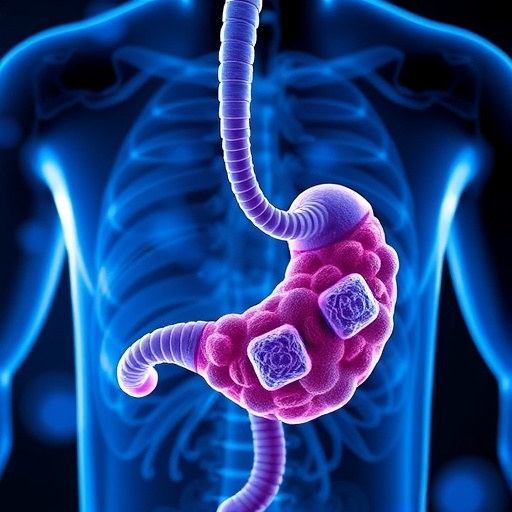
In a groundbreaking study, researchers have delved into the intricate relationship between plasticizers, a common group of chemical compounds used to enhance the flexibility of plastics, and the alarming rise in gastric cancer cases. This enigmatic connection has long puzzled scientists, but a team led by Guo, Ma, and Ren has utilized advanced methodologies in network toxicology and molecular docking to unveil crucial mechanistic links that may explain this association. The findings highlight urgent public health concerns regarding the ubiquitous use of plasticizers in everyday products.
Plasticizers are everywhere; from food packaging to medical devices, they offer unique benefits that make them indispensable in modern manufacturing practices. However, their rising prevalence coincides with increasing rates of various cancers. While previous studies have indicated a potential link between environmental toxins and cancer development, a cohesive explanation remained elusive until now. The innovative approaches taken by the research team provide new insight into how these compounds interact with biological systems at a molecular level, shedding light on their toxicological profiles.
In their research, the authors employed a comprehensive network toxicology approach to map the relationships between different plasticizers and gastric cancer. This methodology integrates biological data and toxicological information to construct complex networks that illustrate how various substances interact with cellular pathways. Using this system, the researchers were able to identify critical nodes where plasticizers may influence key biological processes involved in tumor formation and growth.
The molecular docking component of the study serves as an additional layer of sophistication. By simulating interactions between plasticizer molecules and key biological targets, the researchers could predict how these compounds might disrupt cellular functions. Specifically, they focused on receptors and enzymes known to play pivotal roles in gastric cancer development, providing compelling evidence that plasticizers may act as potential carcinogens.
What makes this study particularly timely is its relevance to ongoing public health debates. As the use of plastics continues to expand, so does exposure to these harmful chemicals. The research team emphasizes the urgent need for regulatory action, suggesting that policymakers consider stricter controls on plasticizer use, particularly in products intended for food and medical applications. They argue that the benefits of these compounds must be weighed against the potential health risks they pose.
Furthermore, this research raises significant questions regarding the safety assessments currently in place for chemical compounds used in consumer products. The use of traditional toxicological methods may not fully account for the complex interactions highlighted in this study. The authors advocate for a paradigm shift in how we approach toxicity testing, calling for more comprehensive models that incorporate network toxicology and molecular docking analyses as standard practice.
Public awareness is another critical aspect of this research. As the findings are disseminated, it is essential for consumers to understand the potential risks associated with plasticizers in everyday products. The authors encourage educational campaigns to inform the public about safer alternatives to plasticizers, ultimately leading to informed consumer choices. Raising awareness is crucial, not only for individual health but also for fostering proactive efforts to reduce environmental exposure to these toxic compounds.
The implications of this study extend beyond the immediate findings. By opening the door to further research, Guo and colleagues have laid the groundwork for a broader investigation into the health effects of plasticizers. There is an urgent need for interdisciplinary collaboration among toxicologists, oncologists, environmental scientists, and public health officials to explore the multifaceted dynamics of chemical exposures and cancer risk.
Additionally, the findings may spark a wider reevaluation of the role of plastics in public and environmental health. With significant attention being paid to sustainability and ecological impacts, this study dovetails with larger conversations surrounding the circular economy in plastics. Addressing the health risks associated with plasticizers adds another layer of complexity to the discussions about plastic waste reduction and recycling.
Despite the comprehensive nature of this research, it is vital to acknowledge some limitations. While the network toxicology and molecular docking approaches offer invaluable insights, further studies are needed to validate these findings in clinical settings. Future research should aim to translate these laboratory-based results into practical applications, determining how to mitigate risks and manage exposures effectively.
In closing, Guo, Ma, and Ren’s research is a clarion call for awareness and action. As we continue to navigate the challenges posed by ubiquitous plastic use, it is imperative to consider the potential health implications. Their study not only enriches our understanding of gastric cancer but also enhances our knowledge of the environmental and regulatory landscapes that affect public health.
As more data becomes available and additional research is conducted, it is crucial that the scientific community remains vigilant. The findings of this study underscore the necessity for ongoing vigilance and innovation in the field of toxicology, ensuring that we protect public health while navigating the complexities of modern materials science.
The path forward must include collaboration across disciplines and a commitment to reducing harmful exposures through informed policy decisions and consumer behavior changes. The connections between plastic exposure and health outcomes are becoming clearer, and it is our responsibility to act on this knowledge.
Ultimately, the implications of this research stretch far beyond its immediate conclusions. It serves as a starting point for dialogue, reflection, and action regarding the pervasive use of plastics in our society. As we gain deeper insights into the mechanisms linking plasticizers to diseases like gastric cancer, we must remain proactive in seeking solutions that prioritize human health and environmental sustainability.
Subject of Research: The mechanistic links between plasticizers and gastric cancer.
Article Title: Unveiling the mechanistic links between plasticizers and gastric cancer via network toxicology and molecular docking approaches.
Article References:
Guo, R., Ma, W., Ren, Z. et al. Unveiling the mechanistic links between plasticizers and gastric cancer via network toxicology and molecular docking approaches.
BMC Pharmacol Toxicol (2025). https://doi.org/10.1186/s40360-025-01057-0
Image Credits: AI Generated
DOI: 10.1186/s40360-025-01057-0
Keywords: plasticizers, gastric cancer, network toxicology, molecular docking, public health, carcinogens


