

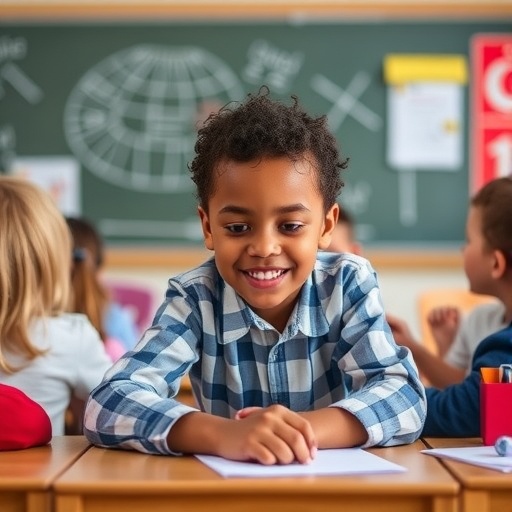
In recent years, the foundational years of education have garnered increasing attention from researchers and educators alike. A pivotal study conducted by Nguyen, Pianta, and Whittaker delves into the intricate relationships between classroom processes and the academic outcomes experienced by students from pre-kindergarten through first grade. This research sheds light on the critical nature of early educational experiences, emphasizing how various teaching methods, classroom dynamics, and student interactions can significantly influence long-term academic success.
The importance of understanding the connection between classroom processes and student outcomes cannot be overstated. Early childhood educators, armed with the insights from this research, can better tailor their pedagogical strategies to foster a conducive learning environment. The study illuminates specific classroom variables that correlate with positive academic outcomes, offering a roadmap for educators seeking to enhance the educational experiences of their students from the very beginning of their schooling journey.
At the heart of the study lies an exploration of various classroom processes, which include interaction patterns between teachers and students, instructional strategies employed, and the overall classroom atmosphere. By meticulously analyzing these processes, the researchers aimed to pinpoint which elements most strongly influence student learning outcomes. Notably, the study emphasizes the importance of a supportive classroom environment, where students feel safe, respected, and engaged in their learning.
Furthermore, the researchers examined the role of teacher-student interactions in shaping academic success. Positive interactions, characterized by warmth, responsiveness, and encouragement, were found to correlate significantly with higher academic achievement among students. This finding reaffirms the notion that education is not solely about the content delivered but also about the relational dynamics within the classroom. It suggests that educators who prioritize building strong, positive relationships with their students are likely to see better academic results.
The study also explores the varying impacts of specific instructional strategies on student engagement and performance. For instance, interactive teaching methods that promote active student participation were linked to enhanced learning outcomes. This finding highlights the necessity of moving away from traditional, passive forms of instruction toward more dynamic and inclusive teaching practices. These insights can empower educators to innovate their teaching methods and consider more student-centered approaches that encourage critical thinking and collaboration.
Moreover, the authors provide evidence that early academic outcomes are not solely the result of individual teacher effectiveness but are significantly affected by the overall classroom climate. Classrooms that foster a sense of community and collaboration among students were shown to produce better academic results, implying that social dynamics play a vital role in the learning process. This reinforces the idea that education ought to be a comprehensive experience, where social and emotional learning is integrated alongside academic instruction.
As the study progresses, it addresses the implications of these findings for policy and practice. Educational administrators and policymakers are encouraged to consider how they can support educators in implementing research-backed classroom processes. By investing in professional development and resources that emphasize effective teaching strategies and positive classroom environments, they can significantly impact student learning and achievement across the board.
In addition to practical recommendations, the research underscores the necessity for ongoing assessments and evaluations of classroom processes and their effects on student outcomes. Continuous monitoring can help educators identify which practices yield the best results, enabling iterative improvements in teaching methods. This focus on evidence-based practices can lead to systemic changes within educational institutions, ultimately benefiting the students who rely on effective teaching for their academic success.
A further dimension explored in this study is the variance in outcomes based on socio-economic status and demographic factors. Understanding these disparities can facilitate more targeted interventions to support students from diverse backgrounds. By acknowledging the complexities of classroom processes and their interaction with external factors, educators can better equip themselves to address the unique needs of their students and close achievement gaps.
In essence, the findings of this study encourage a holistic approach to early childhood education, one that recognizes the multifaceted nature of learning and the myriad influences that can contribute to student success. It serves as a clarion call for educators to engage in reflective practices that examine the effectiveness of their teaching strategies and to remain adaptable in the face of new research and insights into student learning.
Ultimately, this groundbreaking research not only contributes to the academic discourse surrounding early childhood education but also serves as a practical guide for improved teaching practices. By centering classroom processes and their relationship with academic outcomes, educators are better positioned to cultivate inspiring and effective learning environments that support every child’s journey toward academic achievement.
As educational landscapes continue to evolve, it is essential to remain committed to understanding and improving the foundational experiences of young learners. The implications of Nguyen, Pianta, and Whittaker’s research advocate for a collaborative effort among educators, administrators, and researchers to foster environments where all students can thrive academically and socially. The emphasis on responsive, engaging classroom practices is vital for nurturing the next generation of learners and leaders in an increasingly complex world.
This study serves as a testament to the power of informed pedagogy and continuous improvement in education. The insightful connections drawn between classroom processes and student outcomes highlight the significant role that quality educational experiences play in shaping future successes. As the findings circulate through the educational community, they have the potential to spark meaningful conversations and practical changes that elevate the quality of education for young learners everywhere.
Subject of Research: The impact of classroom processes on academic outcomes in early childhood education.
Article Title: Associations Between Classroom Processes and Students’ Academic Outcomes from Pre-Kindergarten Through First Grade.
Article References:
Nguyen, T., Pianta, R.C., Whittaker, J.V. et al. Associations Between Classroom Processes and Students’ Academic Outcomes from Pre-Kindergarten Through First Grade.
Early Childhood Educ J (2026). https://doi.org/10.1007/s10643-025-02107-2
Image Credits: AI Generated
DOI: https://doi.org/10.1007/s10643-025-02107-2
Keywords: Classroom processes, academic outcomes, early childhood education, teacher-student interactions, instructional strategies.


