

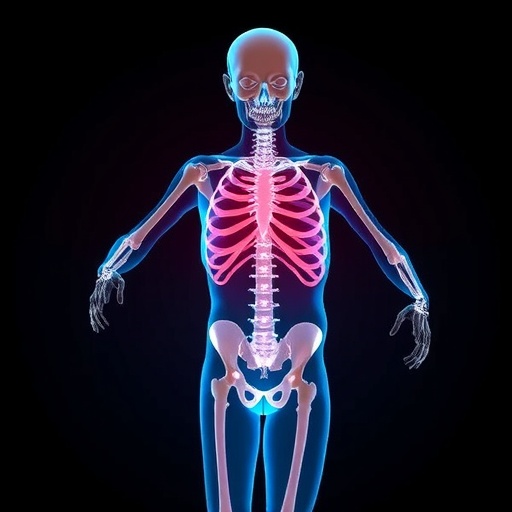
In the landscape of geriatric research, a newly published study highlights a pressing concern among older adults: the intricate relationship between osteosarcopenia and frailty. Osteosarcopenia, a condition characterized by the combined loss of bone mass and muscle function, poses significant health risks in aging populations. A systematic review and meta-analysis conducted by Long, Zhao, Sun, and colleagues provides vital insights into this dual threat. Their findings are framed within the context of an aging world where frailty and its associated risks demand urgent attention.
Frailty, often defined as a state of increased vulnerability resulting from age-related decline across multiple physiological systems, has emerged as a focal point for researchers. Individuals who exhibit frailty are more likely to experience adverse health outcomes, including falls, hospitalization, and even mortality. The connection between frailty and osteosarcopenia is particularly concerning because both conditions frequently co-occur, compounding the risks faced by older adults.
The researchers undertook this comprehensive review to synthesize existing literature that melds the two formidable conditions. Their work draws on various clinical studies that assessed the prevalence and impact of osteosarcopenia among frail adults. By aggregating data from multiple sources, the authors sought to clarify whether the presence of osteosarcopenia exacerbates frailty or serves as a contributing factor to its development.
In their analysis, Long et al. identified consistent trends across diverse populations, suggesting a significant association between osteosarcopenia and heightened levels of frailty. This link was evident in both cross-sectional and longitudinal studies, reinforcing the urgency of addressing these coexisting conditions among the elderly. The implications of such findings extend not only to individual patients but also to healthcare systems that must adapt to the challenges posed by an aging demographic.
One of the noteworthy aspects of the study is the recognition of risk factors that contribute to the development of both osteosarcopenia and frailty. Age, physical inactivity, inadequate nutrition, and hormonal changes were pinpointed as significant contributors. These factors intertwine in complex ways, showcasing the multifaceted nature of aging and emphasizing the need for a holistic approach to geriatric care.
Moreover, Long et al. highlighted the role of early intervention in mitigating the effects of osteosarcopenia and frailty. Programs aimed at enhancing physical activity, improving nutritional status, and addressing underlying health conditions can potentially diminish the prevalence and impact of these syndromes. This preventative stance underscores the necessity for healthcare providers to implement comprehensive assessment protocols that encompass not just muscle strength and bone density but also overall functional status.
The meta-analysis also revealed that the coexistence of osteosarcopenia could adversely impact physical performance. Patients exhibiting both conditions showed significantly lower scores on performance-based assessments compared to those with frailty alone. This finding raises alarms regarding mobility and independence in older adults, posing critical questions about rehabilitation strategies and the overall quality of life.
In light of these revelations, the necessity for multidisciplinary care teams that can address the various dimensions of health in older adults becomes abundantly clear. Physicians, dietitians, physiotherapists, and geriatric specialists must collaborate to create tailored intervention plans. Such integrated care models not only enhance patient outcomes but also streamline healthcare resources to effectively manage the growing elderly population.
Additionally, the study emphasizes the importance of public health initiatives aimed at raising awareness about osteosarcopenia and frailty. Education programs designed to inform older adults and caregivers about the signs and risk factors associated with these conditions can empower communities. Disseminating knowledge through community centers and healthcare facilities may foster early detection and prompt intervention, ultimately preserving independence among aging adults.
Long et al. also addressed the necessity for ongoing research in this domain. Understanding the biological mechanisms that underlie osteosarcopenia and frailty is imperative for developing targeted therapies. Future studies should aim to elucidate genetic, metabolic, and environmental influences that predetermine the trajectory of these conditions. By leveraging advancements in medical technology and genetic research, there lies potential for groundbreaking interventions in the realm of geriatric health.
Ultimately, the findings from Long, Zhao, Sun, and their fellow researchers serve as a clarion call for the scientific and medical communities. The association between osteosarcopenia and frailty encapsulates a myriad of challenges that necessitate immediate action. Creating an environment where older adults can thrive requires commitment from all stakeholders involved in their care.
In conclusion, this systematic review and meta-analysis shed light on the critical interplay between osteosarcopenia and frailty. The implications of these findings are far-reaching, affecting clinical practices, public health strategies, and future research directions. As our population continues to age, addressing the challenges presented by these interconnected conditions will be paramount in preserving the dignity, health, and independence of older adults worldwide.
Subject of Research: The association between osteosarcopenia and frailty in older adults.
Article Title: Association between osteosarcopenia and frailty in older adults: a systematic review and meta-analysis.
Article References:
Long, Y., Zhao, H., Sun, D. et al. Association between osteosarcopenia and frailty in older adults: a systematic review and meta-analysis.
BMC Geriatr (2026). https://doi.org/10.1186/s12877-026-06976-z
Image Credits: AI Generated
DOI: 10.1186/s12877-026-06976-z
Keywords: Osteosarcopenia, Frailty, Older Adults, Aging, Geriatric Health, Systematic Review, Meta-Analysis, Holistic Care, Intervention Strategies, Public Health


