

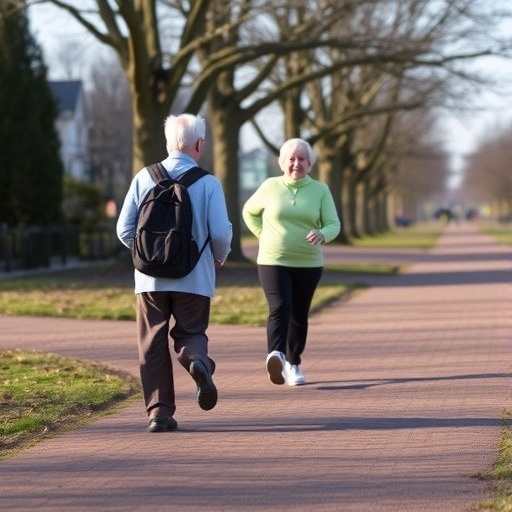
In recent years, the field of geriatric medicine has focused extensively on the metrics that can most effectively assess physical functionality in aging populations. A recent paper published in European Geriatric Medicine investigates the correlation between the 400-meter walk test and sensor-based daily physical activity levels among frail and sarcopenic older adults. This research sheds light on the critical relationship between objective measures of mobility and the daily activities undertaken by individuals in these vulnerable demographics.
The 400-meter walk test is a widely recognized tool used in clinical settings to evaluate the functional mobility of elderly patients. This simple yet effective test provides insights into an individual’s walking capabilities over a set distance, allowing healthcare professionals to assess their physical stamina and balance. The implications of mobility testing are vast, but they carry particular significance for older adults who are either frail or suffering from sarcopenia—a decline in muscle mass and strength that often accompanies aging.
In contrast to traditional assessment measures, sensor-based daily physical activity tracking involves the use of wearable technology to monitor an individual’s movement patterns throughout the day. These sensors can capture a wide range of data, including frequency, intensity, and duration of physical activities, thus providing a more comprehensive view of a person’s typical level of engagement in day-to-day tasks. The integration of this technology into geriatric assessments has the potential to transform how care professionals understand and monitor the activities of older individuals.
The authors of the study, including Rogler et al., aimed to explore how these two assessment methodologies complement one another in gauging the health and mobility of seniors. By comparing the results from the 400-meter walk test with the data collected through sensor monitoring, they sought to establish whether there is a strong correlation between walk performance and daily physical activity levels. The findings could have profound implications for tailoring interventions that promote enhanced physical wellness in older adults.
Statistical analyses from the study indicated significant relationships between performance outcomes from the walk test and activity levels recorded by sensors. This suggests that not only can mobility tests inform healthcare providers about an individual’s immediate walking ability, but they also correlate with the patient’s overall patterns of daily movement. The study highlights the importance of both short-term testing and long-term activity monitoring in developing a well-rounded understanding of geriatric health.
The results of this investigation hold critical significance in the context of the growing aging population. As the percentage of older adults continues to rise globally, the demand for effective assessment tools and intervention strategies becomes increasingly urgent. By utilizing a combination of established functional testing and advanced monitoring technology, healthcare providers can better identify those at risk for complications related to frailty and mobility loss.
One of the essential facets of this research is its potential to guide future practice in geriatric rehabilitation programs. If clinicians can determine a clear relationship between empirical walking test results and real-world activity levels, they will be better equipped to create personalized exercise regimens. These regimens could not only aim to enhance mobility but also improve overall life quality for individuals coping with the effects of aging.
In addition to practical applications, the research also underscores the need for ongoing studies that can further elucidate the interaction between physical function and daily activities. Future research may explore how environmental factors, social support, and psychological well-being can influence both short-distance mobility and overall activity levels in older adults. This holistic approach would provide a richer understanding of the multifaceted challenges faced by geriatric populations.
Moreover, with technology continuing to evolve, the integration of artificial intelligence and machine learning into the analysis of sensor data may yield even deeper insights into physical activity patterns. This future perspective offers a promising avenue for enhancing personalized care strategies and monitoring systems for the elderly. As more individuals begin to use health wearables, the volume of data could also facilitate large-scale studies, enabling researchers to uncover widespread trends in mobility issues related to aging.
Despite its strengths, the study is not without limitations. The sample size, participant diversity, and long-term follow-up may affect the generalizability of the findings. Critical evaluations of how these results apply to different populations and settings will be essential in confirming the applicability of the correlations observed. As researchers continue to delve into the nuances of aging, such considerations must remain at the forefront of future inquiries.
Ultimately, this research by Rogler and colleagues advances our understanding of the nuances of physical activity in older adults, establishing connections that bridge clinical assessments with everyday functioning. Moving forward, integrating these findings into practical frameworks will require collaboration among various stakeholders, including healthcare providers, caregivers, and technology developers. Together, they can harness these insights to foster a healthier, more mobile aging population.
The journey towards improving quality of life for older adults is ongoing. The implications of the association uncovered between the 400-meter walk test and daily physical activity through sensor technology serve as a reminder of the importance of comprehensive health assessments. With the right tools and frameworks, it is possible to significantly enhance geriatric care and empower older individuals to lead more active, healthier lives.
In conclusion, there lies a wealth of potential within the intersection of traditional mobility testing and modern technological advancements in activity tracking. By bridging these two fields, we stand to gain extensive insights into the ways we can better support our aging population. Moving forward, the relationship elucidated in this study offers promising prospects for enhancing the care and quality of life of older adults grappling with frailty and sarcopenia.
Subject of Research: Association between the 400-m walk test and sensor-based daily physical activity in frail and sarcopenic older adults
Article Title: Correction: Association between the 400-m walk test and sensor-based daily physical activity in frail and sarcopenic older adults
Article References:
Rogler, J., Krumpoch, S., Freiberger, E. et al. Correction: Association between the 400-m walk test and sensor-based daily physical activity in frail and sarcopenic older adults. Eur Geriatr Med (2026). https://doi.org/10.1007/s41999-026-01410-4
Image Credits: AI Generated
DOI:
Keywords:


