

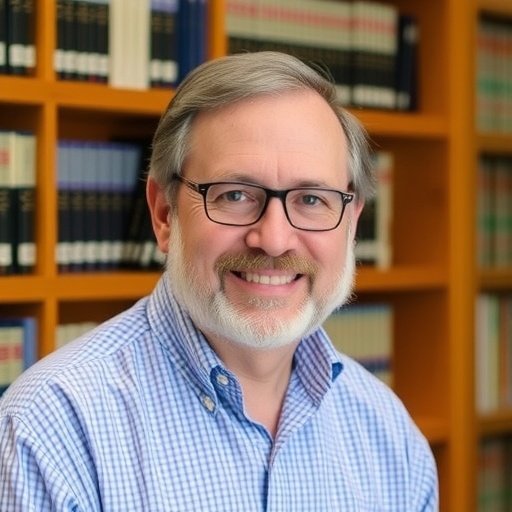
Israel E. Wachs, the G. Whitney Snyder Distinguished Professor of Chemical and Biomolecular Engineering at Lehigh University, has recently been elected as a member of the National Academy of Engineering (NAE), one of the highest accolades available in engineering. This prestigious honor highlights his significant contributions in establishing the fundamental structure-activity and selectivity rules governing the molecular engineering of mixed oxide catalysts. These catalysts play vital roles in a multitude of applications, from air pollution remediation to the advancement of sustainable energy solutions, fuels, chemicals, plastics, and pharmaceuticals.
Wachs’ recognized achievements reflect a deep commitment to addressing critical global challenges through engineering excellence. His research is pivotal in guiding the rational design of solid catalysts, which are essential materials that accelerate and facilitate chemical reactions across diverse industries. The complexity of these catalysts and their functionality serves as a testament to Wachs’ innovative approach to engineering challenges. The election to the NAE is reserved for individuals who have made exceptional contributions to engineering research, practice, and education, and Wachs stands out as one of the most prolific figures in his field.
Wachs’ work emphasizes the transformative nature of engineering research and education, bridging the gap between fundamental science and real-world applications. His election is not merely a personal achievement; it signals the formidable visibility of the research conducted at Lehigh University, an institution recognized as R1, according to the Carnegie Classification of Institutions of Higher Education. This classification indicates a university with the highest level of research activity, echoing the impact and significance of Wachs’ contributions that extend far beyond academic settings.
The contributions made by Wachs over the past four decades are broad and deeply rooted in both theoretical and applied aspects of catalysis. His pioneering work in operando molecular spectroscopy—a method that allows for real-time characterization of catalysts under actual reaction conditions—has provided unprecedented insights into the mechanisms that dictate how catalysts function. The ability to monitor reactions in real time highlights the dynamic nature of catalysts and the fundamental structure-activity/selectivity relationships that are essential for the design of advanced catalytic materials.
Wachs’ research has opened new avenues in identifying active sites and mapping surface reaction pathways on solid surfaces. This work, key to understanding the chemistry of catalytic reactions at a molecular level, has led to substantial advancements in fields such as environmental catalysis and sustainable manufacturing processes. The implications of his findings are vast, affecting industries seeking to transition toward more sustainable practices in the production of fuels, chemicals, and pharmaceuticals.
Expressing his gratitude for the recognition, Wachs highlights that his achievements are intertwined with the ongoing support of students, colleagues, and collaborators throughout his career. This collaborative framework has been crucial not only in advancing his research agenda but also in shaping the future of catalysis science. His dedication to mentorship has produced a cadre of researchers who are now making their own marks in academia and industry, ensuring that his influence persists across generations.
Wachs holds a remarkable portfolio of over three dozen U.S. patents alongside an additional 70 international patents, showcasing a prolific output that signifies his role as an innovator in chemical engineering. Some of these patents have been licensed for industrial use, reinforcing the practical relevance of his work. For instance, one notable invention, which received recognition from the U.S. Environmental Protection Agency (EPA) with a Clean Air Excellence Award, converts pollutants from paper mills into valuable chemical intermediates. This innovation not only highlights Wachs’ commitment to addressing environmental issues but also demonstrates the tangible benefits of his research in real-world applications.
In addition to his extensive patent portfolio, Wachs has a significant scholarly impact, having published over 400 highly cited articles, with a career citation count exceeding 53,000 and an h-index of 132. This metric reflects a prolific academic presence, underlining his contributions to chemical engineering literature, which continue to influence both current and future research directions. His expertise has also led him to positions as a mentor, guiding numerous Ph.D. students and researchers, many of whom have ascended to prominent roles in academia and industry worldwide.
Wachs’ numerous accolades, including fellowships in esteemed organizations like the National Academy of Inventors (NAI) and the American Chemical Society (ACS), further establish his position as a leading figure in engineering and chemistry. His accolades also include the R.H. Wilhelm Award for contributions to chemical reaction engineering and the George A. Olah Award for achievements in hydrocarbon and petroleum chemistry. These honors collectively underscore his lasting impact on the field and his dedication to advancing scientific and engineering research.
At Lehigh, Wachs leads the Operando Molecular Spectroscopy and Catalysis Research Laboratory, where recent projects reflect his enduring focus on solving pressing global issues. His team is engaged in transformative research, targeting high-priority challenges like converting toxic NOx emissions from power plants into harmless N2 and H2O, as well as utilizing renewable energy to convert CO2 and H2O from air into valuable fuels and chemicals. These projects exemplify how cutting-edge research can directly contribute to environmental sustainability and resource management, further defining Wachs’ legacy.
Throughout his career, Wachs has consistently emphasized the importance of understanding dynamic catalytic processes under relevant reaction conditions, a principle that has contributed to breakthroughs in catalyst design and performance. This comprehensive approach to research not only bridges theoretical understanding with practical application but also provides innovative pathways for addressing critical energy, environmental, and sustainability challenges in the modern world.
Wachs’ election to the National Academy of Engineering embodies a significant recognition of his unwavering commitment to advancing catalysis science and technology. His legacy will undoubtedly continue to shape the trajectory of engineering and environmental research well into the future. As he prepares for his formal induction during the 2026 NAE Annual Meeting, the engineering community and future generations of scientists can look forward to the continued contributions he will make in his quest for innovative solutions to global challenges.
Subject of Research: Catalysis and Molecular Engineering
Article Title: Israel E. Wachs Elected to the National Academy of Engineering
News Publication Date: October 2023
Web References: Lehigh University Faculty Profile, National Academy of Engineering
References: N/A
Image Credits: Lehigh University


