

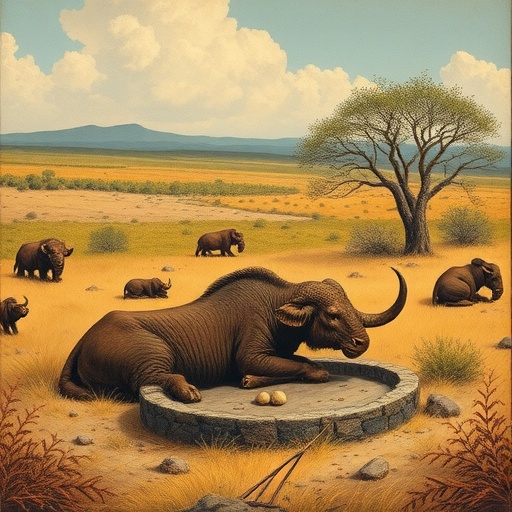
In a pivotal exploration shedding light on the subsistence strategies of ancient societies, researchers have published an insightful paper focused on the hunting practices of farmers in the Central Lowveld region of South Africa during the Late Iron Age. This study, conducted by Badenhorst, Hurter, and Küsel, delves deep into the intricacies of the fauna present in an archeological site known as Mluwati. As a groundbreaking contribution to our understanding of prehistoric human-animal interactions, this research unravels layers of historical ecological dynamics.
The Late Iron Age, a critical period in the history of human civilization, was marked by significant socio-economic changes. In particular, the Central Lowveld of South Africa was a bustling hub of agricultural and pastoral activities integrated with hunting practices. The article serves as a comprehensive account of the varied fauna that thrived in this region during that time, drawing parallels between ecological context and human adaptation. It highlights how local farmers not only cultivated the land but also engaged in hunting, an essential adjunct to their agricultural lifestyle aimed at enhancing food security.
The research team undertook a meticulous examination of archaeological finds at Mluwati, excavating remnants of both flora and fauna that provided substantial evidence of hunting activities. They discovered a diverse assemblage of animal bones, which revealed the types of species hunted, preferred hunting techniques, and the ecological implications of these practices. By employing sophisticated methodologies such as zooarchaeological analysis, the researchers could infer insights into the dietary choices and lifestyle adaptations of the Late Iron Age populace.
Through the analysis of bone fragments, the researchers determined species representation, providing pivotal data on what animals constituted the core of the farmers’ diet. Notably, large herbivores such as antelope were prominently featured in the findings, indicating that these animals were not merely incidental catches but rather targeted species apt for their nutritional offerings. Such findings underscore the nuanced relationship between early agricultural practices and hunting, illustrating a hybrid economy that ensured sustenance for these communities.
The study further examines hunting strategies employed by these farmers, detailing a range of techniques that were likely utilized to capture their prey. The integration of traps, spears, and other rudimentary tools depicted not only a deep understanding of animal behavior but also showcased the ingenuity of these ancient people. Such practices highlight their resilience and adaptability, especially in a region characterized by environmental variability and competition for resources.
Complementing the ecological aspects, the research underscores the cultural dimensions intertwined with hunting. Rituals and social structures associated with hunting practices are suggested based on the evidence gathered, positing that these activities may have played a significant role in community bonding and social identity formation. The authors advocate for a comprehensive examination of how hunting narratives intertwine with agricultural life, proposing that these narratives are essential for understanding the holistic picture of past human societies.
Moreover, the documentary nature of the findings is significant for informing contemporary discussions on conservation and wildlife management. In recognizing the historical interactions between humans and fauna, contemporary scholars can glean insights relevant to current ecological challenges facing South Africa and the broader African continent. Understanding the historical context of human-wildlife relationships can inform modern practices aimed at balancing conservation efforts with the livelihoods of local communities.
As the study sheds light on the dynamic interplay between hunting and farming, it beckons further inquiry into the implications of historical practices for modern perspectives on sustainability and resource use. By acknowledging the traditional practices of communities, contemporary scholars and policymakers can adopt a more inclusive approach to environmental management. This research serves as a reminder of the lessons that history offers, underscoring the need for a synergistic integration of indigenous knowledge and modern scientific understanding.
The Late Iron Age did not occur in isolation; it was shaped by ongoing environmental and climatic changes that influenced animal populations and human adaptability. The findings from Mluwati illuminate how local conditions dictated hunting practices, juxtaposing them with broader regional trends. As climates shifted, so too did the availability of certain species and the strategies employed by farmers. This intricate dance between humans and their environment is crucial for comprehending the sustainability of subsistence strategies over time.
Furthermore, the implications of this research extend beyond the Central Lowveld of South Africa; they resonate with broader anthropological studies seeking to understand early human economies across different regions. By placing the practices of the farmers of Mluwati within a larger framework of Late Iron Age societies throughout Africa, we gain insight into the mosaic of human adaptation strategies that developed in response to environmental pressures and socio-economic shifts across time.
In conclusion, Badenhorst, Hurter, and Küsel’s seminal work on Late Iron Age hunting practices among farmers in the Central Lowveld offers a multifaceted perspective on the interplay of human culture, environment, and sustainability. This research not only enriches our understanding of ancient lifestyles but also provides a critical lens through which we can reflect on our relationship with the environment today. As we face escalating ecological crises, the lessons gleaned from the past may be pivotal in informing our present and shaping our future approaches to ecological stewardship.
The researchers’ findings will undoubtedly spark discussions in various academic and public spheres, pushing the boundaries of what we know about the complexities of prehistoric societies. As their exploration unravels the tapestry of Late Iron Age life in South Africa, it invites us to contemplate the enduring legacy of human adaptation in the face of a changing world.
Subject of Research: Hunting practices by farmers in the Central Lowveld during the Late Iron Age.
Article Title: Hunting by Farmers in the Central Lowveld of South Africa: The Late Iron Age Fauna from Mluwati.
Article References: Badenhorst, S., Hurter, K. & Küsel, U. Hunting by Farmers in the Central Lowveld of South Africa: The Late Iron Age Fauna from Mluwati. Afr Archaeol Rev 42, 475–494 (2025). https://doi.org/10.1007/s10437-025-09636-6
Image Credits: AI Generated
DOI: 10.1007/s10437-025-09636-6
Keywords: Late Iron Age, Hunting Practices, Farmers, Central Lowveld, South Africa, Fauna, Archaeology, Eco-dynamics, Human-Animal Interaction, Sustainability, Diet, Adaptation Strategies.


