

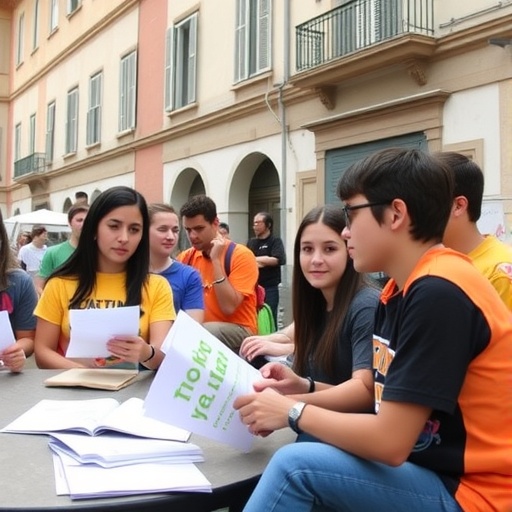
In recent years, the importance of civic engagement among young people has garnered increasing attention from researchers and educators alike. A significant study conducted in Italy, led by V. Damiani, E. Caponera, and B. Losito, sheds light on the civic engagement levels of grade 8 students through the lens of the International Civic and Citizenship Education Study (ICCS) 2016. This ground-breaking research not only provides a comprehensive overview of the state of civic engagement among Italian youth but also offers valuable insights into how education systems can better foster active citizenship in the digital age. The findings highlight both challenges and opportunities in promoting civic awareness among younger generations.
The ICCS 2016 survey was designed to assess students’ civic knowledge, attitudes, and engagement in various community activities. Conducted across multiple countries, this study aimed to measure the effectiveness of civic education programs and their influence on students’ ability to engage with democratic processes. The Italian sample consisted of over 7,000 grade 8 students, meticulously selected to provide a representative view of the youth demographic across the country. Researchers utilized a combination of quantitative and qualitative methodologies to analyze students’ responses, ensuring a robust understanding of the factors influencing civic engagement.
One of the remarkable findings of this study is the relationship between students’ civic knowledge and their active participation in community affairs. Students demonstrated varying degrees of knowledge about civic matters, and those who exhibited higher knowledge levels tended to participate more in civic activities. This correlation suggests that education plays a crucial role in shaping students’ understanding of their rights and responsibilities. However, the results also point out that mere knowledge is not sufficient; practical opportunities for engagement are equally vital if students are to translate their knowledge into meaningful action.
The study revealed striking discrepancies in civic engagement levels across different regions of Italy. For instance, students from urban areas were found to be more engaged than their rural counterparts. This could be attributed to the availability of resources, programs, and community initiatives that encourage civic participation. Urban students had more access to civic education programs and platforms to voice their opinions compared to rural students, indicating a need for equitable access to civic resources across all regions. Such disparities could hinder the development of a uniformly engaged citizenry in future generations.
Furthermore, the research delved into the influence of socio-economic factors on students’ civic engagement. It highlighted that students from lower socio-economic backgrounds faced increased barriers when attempting to engage civically. This disparity raises concerns about social equity and the possibility of a civic divide, where only privileged groups are able to participate actively in democratic processes. Efforts must be made to support disadvantaged students through targeted educational programs and community initiatives that encourage participation and mitigate these socio-economic barriers.
Digital literacy emerged as a critical component of civic engagement among young people. In an era dominated by technology, understanding digital platforms and their role in civic discourse is crucial for active participation. The study found that students who were adept at navigating digital information were more likely to engage in online civic activities, such as social campaigns or discussions on social media. However, the challenge lies in ensuring that students are not just passive consumers of information but also active contributors. Educators are now faced with the task of fostering not just digital skills, but critical thinking abilities that enable students to discern credible information in a sea of misinformation.
The involvement of parents and educators in students’ civic education also surfaced as a significant theme throughout the research. The study found that students whose parents encouraged civic discussions or participated in community events were more likely to engage in civic activities themselves. Similarly, teachers who emphasized the importance of civic education within the curriculum had a noticeable positive impact on students’ willingness to participate actively. This underscores the necessity for a collaborative effort between schools and families in cultivating civic-minded individuals.
Teachers themselves expressed various needs for effective civic education delivery. Many reported feeling inadequately prepared to teach civic education, highlighting a gap in teacher training programs. Professional development initiatives aimed at enhancing teachers’ understanding of civic education could play a pivotal role in improving students’ engagement levels. By equipping educators with the necessary tools and strategies, schools can create a more dynamic environment for fostering civic involvement among students.
In addition to the structural and educational factors influencing civic engagement, the study considered the role of peer influence. Young people often look to their friends and peers when determining their interests and values, including civic engagement. The findings indicated that schools promoting a culture of civic participation likely see higher levels of engagement among students due to the supportive peer networks that emerge in such environments. This phenomenon highlights the significance of creating a positive school culture where civic values are shared and reinforced among students.
Moreover, the research emphasized the need for inclusive civic education that resonates with all students, regardless of their background. Diverse perspectives must be integrated into civic education curricula to ensure that every student feels represented and motivated to participate. Additionally, fostering a sense of belonging within the school community can significantly enhance students’ willingness to engage in civic activities. By valuing diverse opinions and encouraging open dialogue, schools can nurture a civic environment that appeals to all students.
Looking forward, the implications of the study extend beyond Italy, presenting valuable lessons for policymakers and educators globally. The results advocate for a paradigm shift in how civic education is approached and delivered. With advances in technology and shifts in societal attitudes, there is a pressing need for innovative educational frameworks that emphasize active citizenship and critical engagement. Schools should prioritize fostering a sense of agency among students, equipping them to navigate both the complexities of civic life and the digital landscape.
In conclusion, the findings from this study by Damiani, Caponera, and Losito serve as a wake-up call for educational institutions to reevaluate and enhance their approaches to civic education. As the world grapples with pressing social issues and increasing polarization, the necessity for an engaged and informed citizenry has never been more urgent. By addressing the barriers to civic engagement and implementing inclusive, innovative educational practices, schools can empower young people to take an active role in shaping their communities and societies.
Education is not just about imparting knowledge; it is also about inspiring action. Engaging young minds in the democratic process is crucial for the survival of democracy itself. The responsibility lies with educators, parents, and communities to create environments where civic engagement thrives. By taking a proactive approach, they can cultivate a generation of citizens who are not only knowledgeable about their rights and responsibilities but also passionate about participating in the democratic process, ensuring a brighter future for all.
Subject of Research: Civic engagement of young people in Italy.
Article Title: Young people’s civic engagement in Italy: evidence on grade 8 students from the international civic and citizenship education study (ICCS) 2016.
Article References: Damiani, V., Caponera, E., Losito, B. et al. Young people’s civic engagement in Italy: evidence on grade 8 students from the international civic and citizenship education study (ICCS) 2016. Large-scale Assess Educ 12, 36 (2024). https://doi.org/10.1186/s40536-024-00229-4
Image Credits: AI Generated
DOI: https://doi.org/10.1186/s40536-024-00229-4
Keywords: Civic engagement, youth, education, Italy, ICCS 2016.


