

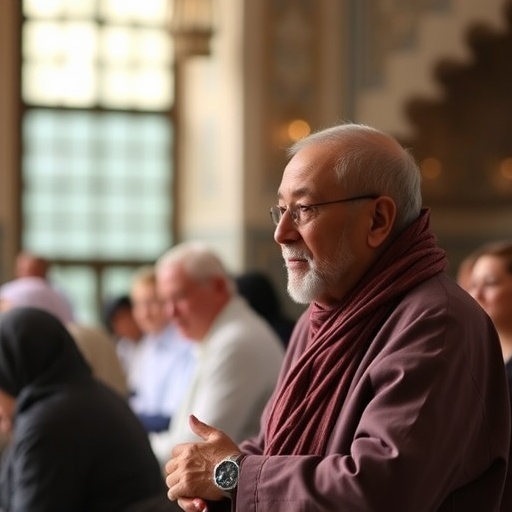
Recent research examines the critical impact of Islamic beliefs and practices on the physical and mental health of older adults. Published in the upcoming issue of Ageing International, the systematic literature review conducted by Syed Elias and colleagues meticulously analyzes how incorporating faith-based practices can enhance the well-being of the elderly population. This research stands out due to its unique focus on Islamic perspectives, contributing valuable insights into how cultural and religious frameworks can influence health outcomes.
The systematic review method employed by Elias and his team gathered data from diverse sources, highlighting the necessity of understanding health through the lens of faith. As societies grow increasingly multicultural, such studies play an essential role in revealing the varied influences on health among older individuals. Notably, the review encompasses numerous studies that evaluate the benefits of religious engagement among seniors, suggesting a correlation between faith and improved mental health.
Moreover, the findings indicate that older adults who actively participate in Islamic practices—such as prayer, community gatherings, and charitable acts—often report enhanced feelings of social support and reduced levels of anxiety and depression. The structured routine provided by religious practices may contribute significantly to a sense of purpose and mental resilience in the face of aging challenges. Thus, integrating spiritual practices could be a viable strategy to combat mental health issues prevalent in this demographic.
In addition, the research emphasizes the importance of social connectedness cultivated through Islamic teachings. Social ties fostered by community involvement not only promote physical activities, such as participation in communal prayers or volunteering, but also create a robust support network. This communal aspect of Islamic life is crucial in mitigating feelings of loneliness, which is increasingly recognized as a significant factor affecting the mental health of older adults worldwide.
The implications of these findings are profound, extending beyond individual health outcomes to influence public health policies. As healthcare systems diversify to better accommodate elderly populations, understanding the cultural and religious needs of patients becomes more critical. By considering these factors, healthcare providers can develop more tailored, effective interventions that resonate with specific community contexts, enhancing overall healthcare delivery.
Furthermore, the review also unveils how Islamic dietary laws may contribute to physical well-being. Adhering to principles of halal eating not only affects calorie intake and nutritional balance but also promotes mindfulness regarding food choices. This mindfulness can lead to healthier lifestyles and better management of diet-related health issues, such as obesity and diabetes, which are common among older adults.
Additionally, the study substantiates the role of faith in promoting healthy aging by suggesting that religious beliefs instill coping mechanisms that help elders manage chronic diseases. Such beliefs can serve as a source of strength, helping individuals navigate their health challenges with a positive outlook and resilience. By encouraging health-promoting behaviors, Islamic beliefs may reduce reliance on medical interventions, showcasing the intersection of faith and practical health management.
A noteworthy aspect of the research is its recognition of the challenges faced by older adults in practicing their faith. Factors such as mobility issues, access to mosques, and transportation can hinder participation in religious activities. Understanding these barriers is essential for community planners and policymakers to ensure that older individuals can maintain their spiritual practices, thus promoting their overall health and well-being.
It’s equally important to acknowledge the role of technology in bridging the gap for older adults who may struggle to engage in communal religious activities. Digital platforms offering online sermons, prayer groups, and community forums can provide an alternative means of connection and participation. This adaptation has proven especially beneficial during times of social distancing and has the potential to continue supporting the spiritual needs of seniors in the future.
As the world becomes more interconnected, the findings from this literature review suggest a potential model for other cultural groups. By exploring the health outcomes associated with diverse belief systems, we can learn how to better support varied populations in later life. Future research can expand on these findings by exploring how different religious practices intertwine with health and social systems globally.
In conclusion, the systematic review by Elias et al. opens a vital dialogue on the essential role of faith in health and aging. By bridging the gaps between cultural practices and health care, we may better understand how to support our aging populations holistically. This research emphasizes that to ensure optimal health for older adults, we must consider not only physical needs but also the profound impact of spiritual and cultural well-being.
The exploration of Islamic beliefs and practices in relation to health is not just an academic exercise but a necessary step towards creating inclusive healthcare systems that recognize and honor the diversity of elderly populations. This research serves as a clarion call for practitioners to harness the power of faith and community in enhancing the quality of life for seniors worldwide.
Subject of Research: The contributions of Islamic beliefs and practices to the physical and mental health of older adults.
Article Title: Exploring the Contributions of Islamic Beliefs and Practices to the Physical and Mental Health of Older People: A Systematic Literature Review.
Article References:
Syed Elias, S., Mohamad Shariff, N., Wan Mamat, W. et al. Exploring the Contributions of Islamic Beliefs and Practices to the Physical and Mental Health of Older People: A Systematic Literature Review.
Ageing Int 51, 3 (2026). https://doi.org/10.1007/s12126-025-09644-6
Image Credits: AI Generated
DOI: https://doi.org/10.1007/s12126-025-09644-6
Keywords: Islamic health practices, elderly well-being, social support, mental health resilience, community involvement.


