

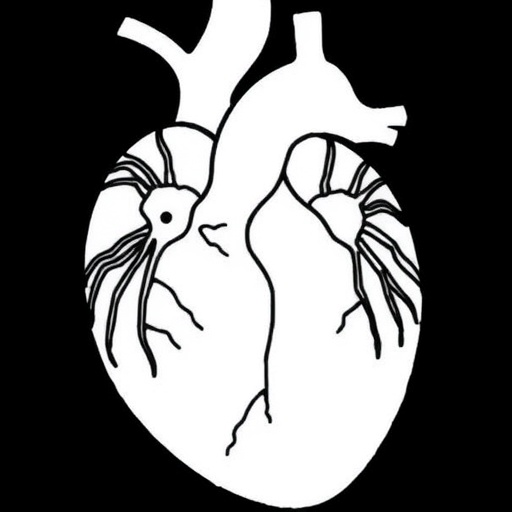
In the intricate landscape of neonatal medicine, congenital diaphragmatic hernia (CDH) remains a formidable challenge, marked by its complex interplay with cardiac abnormalities. A groundbreaking study by Katz, Levy, Zaniletti, and colleagues, recently published in the Journal of Perinatology, sheds new light on the profound impact of cardiac lesions on the survival rates and clinical outcomes of infants born with CDH. By specifically examining the influence of intracardiac shunts, this research not only broadens our understanding of CDH’s multifactorial nature but also offers promising directions for tailored therapeutic strategies that could revolutionize neonatal care.
Congenital diaphragmatic hernia is a developmental defect characterized by a malformation of the diaphragm, permitting abdominal organs to herniate into the chest cavity and consequently impair pulmonary development. The severity of pulmonary hypoplasia and persistent pulmonary hypertension in affected neonates dramatically influence morbidity and mortality. However, there has been increasing recognition that the presence of congenital heart disease (CHD), particularly lesions involving intracardiac shunts, may further complicate these already precarious clinical scenarios. Until now, the nuanced role of these cardiac abnormalities in shaping outcomes for CDH infants was poorly delineated.
The study employed a robust cohort methodology, analyzing a diverse population of newborns diagnosed with CDH and evaluating the presence and type of congenital heart lesions through advanced echocardiographic techniques. Central to their hypothesis was the idea that intracardiac shunts—abnormal pathways allowing blood to bypass normal circulatory routes—could markedly exacerbate hemodynamic instability. This instability is critical, as it may worsen pulmonary hypertension and compromise oxygen delivery in these vulnerable patients. By stratifying infants based on shunt presence, size, and directionality, the investigators sought to correlate cardiac physiology with discharge outcomes.
Findings from this comprehensive analysis reveal a compelling association between intracardiac shunts and increased risk of adverse outcomes, including prolonged ventilation, extended hospitalization, and mortality prior to discharge. Notably, left-to-right shunts were identified as a significant factor exacerbating pulmonary overcirculation, thereby intensifying pulmonary hypertension and right ventricular strain. Conversely, right-to-left shunts, though less common, were linked with profound hypoxemia and severe clinical deterioration. This duality underscores the complex hemodynamic burden CDH infants face when cardiac lesions co-exist, an insight with crucial implications for diagnostic and therapeutic paradigms.
Mechanistically, the presence of intracardiac shunts in CDH neonates challenges the fragile balance between systemic and pulmonary circulations. The study elucidates how altered pulmonary vascular resistance and ventricular interdependence lead to maladaptive flow patterns. In particular, the persistence of a patent ductus arteriosus (PDA) and atrial septal defects (ASD) were highlighted as prevalent shunts influencing pathophysiology. These lesions contribute to volume overload in the pulmonary circuit or systemic hypoperfusion, respectively, complicating oxygenation and cardiac output. Such detailed understanding fosters a precision medicine approach, tailoring interventions based on individual cardiac anatomies.
Importantly, the research underscores the necessity for early and meticulous echocardiographic evaluation in all infants with CDH, advocating for routine screening protocols that encompass detailed assessments of intracardiac structures and shunts. Early identification of detrimental shunting patterns allows for more targeted management, which may include pharmacologic modulation of pulmonary vascular resistance or, in severe cases, surgical correction of cardiac lesions. The potential to intervene on the cardiac front promises to significantly influence survival trajectories, shifting the therapeutic goalposts in neonatal intensive care units globally.
Further, the authors emphasize the dynamic nature of intracardiac shunting in CDH patients, noting how transition from fetal to neonatal circulation phases may alter shunt direction and magnitude. This temporal variability necessitates continuous hemodynamic monitoring, rather than reliance on single-timepoint evaluations. Incorporating advanced imaging modalities alongside clinical parameters affords real-time insights into cardiac function and pulmonary pressures, enabling clinicians to anticipate and modulate complications. This holistic management framework reflects an evolution from isolated respiratory support towards integrated cardiopulmonary care models.
The study’s revelations also beckon future investigations into molecular and genetic factors underlying concurrent CDH and CHD manifestations. Understanding the embryological disruptions and genetic pathways linking cardiac and diaphragmatic malformations could inform novel preventative and curative therapies. For instance, transcription factor mutations or signaling anomalies that orchestrate organogenesis may be implicated in both defects, suggesting a shared developmental etiology. Translational research bridging clinical findings and molecular biology holds promise for breakthroughs that extend beyond symptomatic treatment.
Clinicians and researchers alike are called to reconsider existing prognostic models for CDH, integrating cardiovascular parameters alongside pulmonary and anatomic indices. The complex interplay between lung hypoplasia, pulmonary vascular resistance, and intracardiac shunts demands multifactorial risk stratification tools to predict outcomes accurately. Such models could refine patient selection for ECMO (extracorporeal membrane oxygenation), guide timing of surgical repairs, and influence post-discharge surveillance strategies. Ultimately, comprehensive risk assessment embodies the quintessence of personalized medicine in neonatal critical care.
Moreover, the findings bear relevance for parental counseling and multidisciplinary team coordination. Informing families about the implications of combined CDH and cardiac lesions fosters shared decision-making grounded in nuanced risk-benefit analyses. Multispecialty collaboration among neonatologists, cardiologists, surgeons, and respiratory therapists is indispensable for optimizing individual care pathways. Emphasizing the cardiac dimension of CDH management enriches clinical dialogues, enhancing patient-centered outcomes and ethical stewardship.
From a global health perspective, the enhanced understanding of CDH and cardiac lesion interrelations invites examination of resource allocation and care disparities. In low-resource settings, where access to advanced echocardiography or surgical correction may be limited, recognizing high-risk infants could prioritize referral or implementation of cost-effective interventions. Knowledge dissemination through international networks helps bridge gaps, standardizing care approaches and advancing equity in neonatal survival and quality of life.
In sum, Katz and colleagues’ landmark study revolutionizes the paradigm through which the medical community views congenital diaphragmatic hernia, emphasizing the indispensable role of intracardiac shunts in shaping neonatal trajectories. Their meticulous research integrates clinical insights with pathophysiological depth, paving the way for more precise, dynamic, and collaborative care frameworks. As advances in imaging, genetics, and biomedical engineering continue to emerge, this foundational knowledge prepares the ground for innovative therapies that could ultimately turn the tide against one of neonatal medicine’s most daunting conditions.
The journey from understanding to intervention is ongoing, but the current study marks a decisive milestone affirming that the heart and lungs of infants with CDH must be treated as an inseparable duo. Future clinical trials inspired by these findings may evaluate tailored pharmacological agents targeting specific shunt-related hemodynamic derangements or novel surgical techniques minimizing cardiopulmonary compromise. This horizon of possibility highlights the dynamic interdependence of research and clinical care in improving fragile newborn lives worldwide.
As neonatal intensive care continues to evolve, the integration of cardiac lesion assessment in CDH represents an emblematic example of precision medicine’s power. By unraveling the mechanisms linking cardiac shunts with outcomes, this research not only informs immediate clinical decisions but also inspires broader reconsideration of congenital anomaly management. The enduring impact of these insights promises to ripple across disciplines, altitudinally lifting survival rates while enriching quality of care for society’s most vulnerable patients.
In conclusion, the interplay between congenital diaphragmatic hernia and intracardiac shunts emerges as a critical determinant of neonatal outcomes, warranting vigilant diagnostic scrutiny and individualized therapeutic pathways. Katz and colleagues’ comprehensive evaluation finally brings this complex interaction to the forefront, positioning it as a cornerstone for future research, clinical innovation, and ultimately, improved survival and quality of life for infants afflicted by these intertwined congenital anomalies.
Subject of Research: The impact of cardiac lesions, specifically intracardiac shunts, on outcomes to discharge in infants with congenital diaphragmatic hernia (CDH).
Article Title: Congenital heart disease and congenital diaphragmatic hernia: the role of intracardiac shunts.
Article References: Katz, J.A., Levy, P.T., Zaniletti, I. et al. Congenital heart disease and congenital diaphragmatic hernia: the role of intracardiac shunts. J Perinatol (2026). https://doi.org/10.1038/s41372-026-02584-2
Image Credits: AI Generated
DOI: 02 March 2026


