

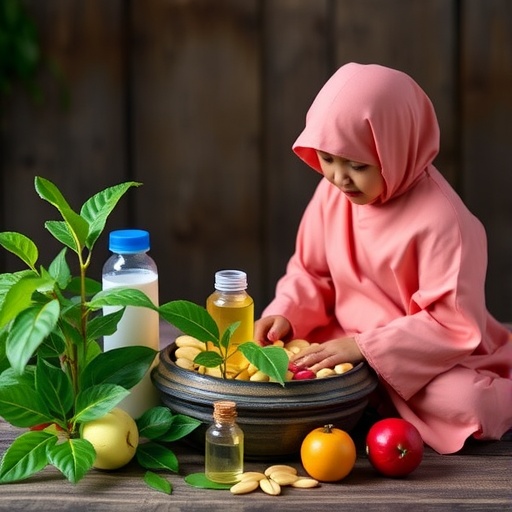
Traditional Chinese Medicine (TCM) has been an intrinsic part of Chinese culture for thousands of years, integrating holistic approaches to health that embrace the balance between mind, body, and the environment. In the face of modernization and global health crises, the question arises: can TCM be effectively bridged with the principles of sustainable development in contemporary contexts? Recent research by Aslam and Kim, published in Discov Sustain, explores this dynamic intersection particularly within the Malaysian landscape, highlighting the sustainability of such traditional practices.
The research emphasizes the enduring relevance of TCM in Malaysia and its potential role as a vehicle for sustainable development. The integration of traditional practices with modern sustainability efforts showcases TCM not merely as a relic of the past but as a forward-thinking model capable of addressing current and future health challenges. As Malaysia strives to balance industrial growth with ecological mindfulness, TCM stands out as an exemplary framework that prioritizes harmony with nature.
Central to the arguments presented in the study is the notion that TCM embodies sustainable healthcare practices. From the cultivation of medicinal herbs to the holistic assessments employed by practitioners, TCM invites a thorough consideration of environmental health. This research elucidates how the TCM philosophy of holistic well-being fosters sustainable agriculture practices, community health, and ecological stewardship.
Malaysian biodiversity plays a key role in this narrative. The country is home to an abundance of flora, many of which are utilized in traditional medicine. The research posits that TCM leverages local natural resources while encouraging the conservation of native species through sustainable harvesting practices. By implementing an ecologically mindful approach to sourcing these resources, practitioners can mitigate the risks of over-exploitation and habitat destruction, promoting long-term environmental integrity.
The authors further delve into the economic implications of incorporating TCM into Malaysia’s sustainable development strategy. As global recognition of alternative medicine grows, there is a unique opportunity for Malaysia to position itself as a hub for sustainable healthcare initiatives. The local economy stands to benefit not only from increasing health tourism but also from the international trade of traditional remedies—provided that these are harvested sustainably and ethically.
One of the significant challenges identified within the research is the need for synergistic collaboration between stakeholders in both the health and environmental sectors. Policymakers, healthcare practitioners, and environmentalists must unite to create frameworks that appropriately recognize the value of TCM while promoting sustainable practices. By fostering interdisciplinary partnerships, Malaysia can create a robust model that other nations might emulate.
Education plays a pivotal role in this endeavor. The authors argue that increasing awareness of TCM’s benefits among the Malaysian public, combined with its teachings on sustainability, will lead to a more informed and health-conscious society. Incorporating TCM principles into medical curricula could foster an appreciation for alternative medicine and its role in holistic health, further bridging the gap between modern science and traditional practices.
While the potential for integrating TCM into Malaysia’s sustainable development framework is immense, the research acknowledges possible hurdles, including skepticism towards alternative medicine within scientific communities. To gain broader acceptance, advocates of TCM must present empirical evidence illustrating its efficacy and alignment with sustainable health outcomes. This can be pursued through rigorous scientific studies that explore the effectiveness of specific TCM remedies.
As Malaysia navigates industrial advancements while attempting to preserve its cultural heritage, it finds itself at a crossroads. The findings from Aslam and Kim advocate for the active promotion of TCM as a model of healthcare that inherently supports sustainable practices—a paradigm shift where traditional knowledge leads the way towards environmental and health sustainability.
The research culminates in a call to action for stakeholders to promote the intersection of TCM and sustainable development initiatives on a national level. By acknowledging the intrinsic value of traditional practices and embedding them into modern policies, Malaysia could become a beacon of sustainable practices in the region and beyond.
In summary, the groundbreaking work by Aslam and Kim serves as both a scholarly resource and a rallying cry for the transformative potential of TCM within the broader context of sustainable development in Malaysia. As society becomes increasingly aware of health and environmental interconnections, traditional practices such as TCM may emerge as vital components of a healthier, more sustainable future.
The urgency of these findings cannot be overstated. With environmental degradation and public health crises becoming more pronounced, the integration of TCM principles could serve as a vital tool for holistic healing. As the global community transitions toward more sustainable practices, understanding and leveraging the wisdom of traditional medicine might just be the key to navigating the complexities of health and environmental challenges in the 21st century.
In conclusion, Aslam and Kim’s research draws a clear line between the rich heritage of traditional Chinese medicine and the pressing need for sustainability in today’s world. Bridging these two concepts offers an innovative approach to healthcare that respects the past while boldly stepping into the future.
Subject of Research: Bridging traditional Chinese medicine and sustainable development in Malaysia
Article Title: Bridging traditional Chinese medicine and sustainable development in Malaysia
Article References:
Aslam, M.S., Kim, Y.J. Bridging traditional Chinese medicine and sustainable development in Malaysia.
Discov Sustain (2025). https://doi.org/10.1007/s43621-025-02467-0
Image Credits: AI Generated
DOI: 10.1007/s43621-025-02467-0
Keywords: Traditional Chinese Medicine, Sustainable Development, Malaysia, Holistic Health, Biodiversity, Economic Impact, Interdisciplinary Collaboration, Education, Cultural Heritage.


