

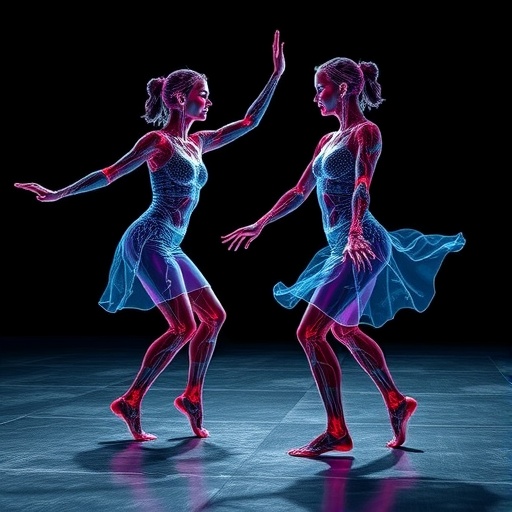
In recent years, the intersection of technology and sports has garnered attention as methods to enhance training and performance continue to evolve. One of the latest developments in this realm is a groundbreaking digital twin-based framework that has been proposed for improving university sports dance training. This innovative system not only emphasizes biomechanical analysis but also considers psychosocial factors, creating a holistic approach to athlete development. This framework could potentially transcend conventional training methodologies, providing a pathway for enhanced performance in sports dance.
Digital twins are virtual representations that mirror physical entities in real-time, enabling detailed analysis and monitoring. In the context of sports dance, this technology facilitates a comprehensive examination of an individual’s movement patterns, physical capabilities, and even psychological states. By capturing an athlete’s every move digitally, trainers can pinpoint areas that need improvement and tailor their coaching strategies accordingly. This precision could lead to unprecedented gains in individual and team performances.
A critical aspect of this proposed framework is the integration of biomechanical factors, such as posture, balance, and flexibility, which are vital in dance. By analyzing these elements through digital twins, coaches can gain insights into the physical demands placed on dancers. This data-driven analysis can lead to more effective injury prevention strategies and optimized training regimens, ensuring athletes are not only performing at their best but also remaining healthy and injury-free.
Moreover, the psychosocial dimension of the framework addresses the mental and emotional challenges athletes face. Dance, by its nature, requires a high level of emotional expression and confidence. The psychological aspect of performance can often dictate how well an athlete can execute their technical skills. By understanding the psychosocial factors that affect performance—such as stress, motivation, and social interaction—coaches can devise strategies to bolster an athlete’s mental resilience. This integrated approach recognizes that performance is not solely reliant on technical proficiency but also on mental and emotional well-being.
The implications of this comprehensive framework extend beyond athletes themselves. Given that training is often conducted in teams or groups, understanding the dynamics of team interactions can lead to enhanced cohort performance. The platform can analyze social relationships, communication styles, and group cohesion, offering insights that contribute to a more harmonious training environment. A greater emphasis on demographic compatibility and the dynamics of peer support may yield superior results in team performances during competitions.
In terms of technology implementation, creating a digital twin involves a multifaceted approach that combines machine learning, data analytics, and artificial intelligence. Measurements can be gathered through wearable devices or motion-capture technology, which feed data into the digital twin model. Through rigorous analysis and real-time feedback, athletes can adjust their preparations, enhancing their training efficacy and performance outcomes. This innovative use of technology provides a window into performance improvement that was previously unimaginable.
Industries beyond sports dance may also draw inspiration from this model as they explore the integration of digital twins into their training protocols. For instance, fields like physical therapy, rehabilitation, and even other forms of dance could leverage similar frameworks for athlete assessment and recovery progress tracking. The potential learning transferred across these spheres highlights the versatility of developing a customized training methodology that addresses both physical and psychological components of performance.
Moreover, the global shift towards personalization in all aspects of personal development calls for adaptive training models. As dancers move through their careers, the framework can evolve with them, adjusting to changing physical capabilities and psychological needs. This lifelong approach to training is particularly relevant in today’s sports landscape, where athletes are expected to maintain peak performance over extended periods, often into their thirties and beyond.
The future of academic research on digital twin technology in sports is promising. Continued exploration into how these systems can be designed, adopted, and optimized will be crucial as various performance metrics are refined. Additionally, as more dancers and coaches embrace technology, community-based research initiatives could emerge—enabling collaborative investigations into new techniques and practices informed by real-time data collected across different environments.
Ethical considerations regarding data collection and athlete privacy are vital when implementing digital twin technology. As organizations begin to integrate digital twins into their performance-enhancing strategies, navigating these concerns will be essential. Clear policies on how athlete data is managed, shared, and utilized must be established to protect individual rights while maximizing the benefits of this advanced analytical approach.
In conclusion, the digital twin-based biomechanical and psychosocial coupling framework proposed for university sports dance training is a pioneering step towards transforming how athletes prepare and perform. By incorporating both physical and emotional elements, this framework can not only yield significant performance improvements but also support the well-being of athletes. As we move forward, the integration of digital twins in dance and other athletic disciplines could redefine training paradigms, ushering in an era defined not just by competitive excellence, but by holistic athlete development.
Subject of Research: Digital twin-based framework for sports dance training.
Article Title: A digital twin-based biomechanical and psychosocial coupling framework for university sports dance training and evaluation.
Article References:
Jiang, L. A digital twin-based biomechanical and psychosocial coupling framework for university sports dance training and evaluation. Discov Artif Intell (2025). https://doi.org/10.1007/s44163-025-00746-3
Image Credits: AI Generated
DOI: 10.1007/s44163-025-00746-3
Keywords: digital twin, biomechanical analysis, psychosocial factors, sports dance training, performance enhancement, athlete development, real-time monitoring.


