

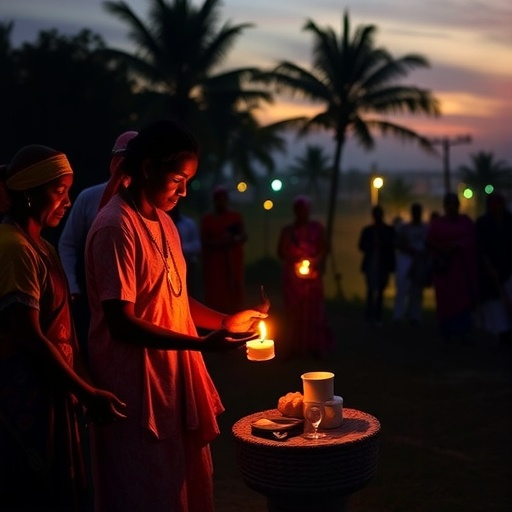
In recent years, the fields of medicine and education have increasingly recognized the importance of body donation programs in enhancing anatomical knowledge and facilitating global medical advancements. However, the establishment and acceptance of such programs, particularly within African contexts, face significant challenges. In his groundbreaking paper slated for publication in 2025, Benny Echefu delves into the intricate dynamics of spiritual beliefs and legal impediments related to body donation from the perspective of the Alaigbo community, highlighting critical insights into how these factors intersect with the ultimate goal of anatomical education and medical progress.
As the demand for trained medical professionals continues to rise, there is a pressing need for innovative approaches within education systems globally, especially in Africa. Body donation programs provide not only invaluable material for medical students but also serve as a bridge toward understanding human anatomy in a more profound and practical context. However, despite the undeniable benefits of these programs, they often encounter resistance rooted in cultural and spiritual beliefs. Echefu’s research illuminates how such beliefs play a pivotal role in shaping community perceptions toward body donation and dissection practices, which are vital for training competent healthcare providers.
Echefu sets the foundation of his analysis by addressing the prevalent spiritual ideas within the Alaigbo community that link the physical body to cultural and ancestral significance. In many African societies, the human body is viewed as sacred, reinforcing the notion that posthumously donating one’s body is tantamount to forsaking familial and cultural ties. This spiritual dimension complicates discussions surrounding body donation, as many individuals perceive the act of surrendering one’s body for scientific purposes as an affront to their cultural beliefs. Understanding these sentiments is critical for advocates of body donation initiatives, as it addresses the heart of skepticism present within the community.
Legal barriers represent another significant hurdle in the establishment of body donation programs, elaborated upon in Echefu’s findings. Various laws governing the practice of medicine and anatomy in several African countries can inadvertently perpetuate stigmatization and legal ambiguity surrounding body donation. These statutes, often differing from international standards, can create an atmosphere of fear and misunderstanding, deterring potential donors from engaging with programs intended to enhance medical education. Echefu’s examination of these legal frameworks not only highlights areas for reform but also opens a dialogue on the importance of creating supportive legislation that accommodates the cultural contexts specific to African communities.
Echefu’s exploration doesn’t merely stop at highlighting issues; it also presents potential safeguards and strategies that align spiritual beliefs with legal reform. By fostering a dialogue between medical professionals, legal authorities, and community leaders, the pathway for establishing body donation programs can be facilitated. This collaborative approach would enable stakeholders to create educational narratives that resonate with the spiritual values of the community while also addressing legal structures, encouraging people to reconsider the inherent value of body donation in shaping future medical practitioners.
Furthermore, the role of education in transforming perceptions cannot be overstated. Echefu calls for a paradigm shift in how medical and anatomical education can incorporate community narratives and respect for cultural beliefs. Educational programs that emphasize respect for spiritual traditions while also articulating the positive impact of body donation on medical knowledge can help mitigate fears and build trust within communities. By merging educational initiatives with cultural respect, a new understanding can be cultivated that recognizes the significance of the body in both scientific and spiritual domains.
Implementing community engagement initiatives represents a vital step in advancing body donation acceptance in Africa. Echefu advocates for utilizing local traditions, storytelling, and engagement platforms to foster conversations around body donation. Such initiatives should involve influential cultural leaders who can advocate for the cause within their communities. Awareness campaigns that respect cultural sentiments while promoting education about medical benefits can assist in alleviating the historical mistrust associated with body donation and firmly establish its significance in future medicine.
Furthermore, Echefu underscores the importance of transparency in transparency regarding the purposes and processes involved in body donation. Ensuring that potential donors and their families have access to thorough information about how their contributions will be utilized in medical education can foster an environment of trust. Additionally, emphasizing ethical practices in handling donated bodies can alleviate spiritual concerns and reduce apprehension rooted in misunderstandings about body donation.
Echefu’s paper also presents compelling evidence on the societal gains associated with embracing body donation initiatives, particularly in low-resource settings. As healthcare systems strive to improve amidst limited anatomical education resources, body donation can become a cornerstone that enriches the training of future doctors, nurses, and allied healthcare professionals. By enhancing the skill sets of medical students and professionals, the overall quality of healthcare service improves, fostering a more competent health workforce equipped to tackle prevalent health issues in African nations.
Moreover, the potential for global medical advancement through African body donation programs is immense. With the world increasingly leaning toward collaborative scientific explorations, having well-trained healthcare professionals from various backgrounds contributes to a more robust understanding of medical challenges. Echefu hints at the possibilities that arise when diverse cultural perspectives and knowledge systems are integrated within the framework of medical education, benefiting not only the local communities but extending a ripple effect to the global stage.
Strengthening the cultural narratives within medical education, Echefu emphasizes, can be a powerful tool for breaking down the existing spiritual and legal barriers hampering body donation initiatives. Introducing ethical practices that honor local customs while advancing medical knowledge creates a space for conversations that can bring societies closer to accepting body donation as a positive, impactful contribution to healthcare. By cherishing and intertwining cultural narratives with modern medical practices, a new era of anatomical education can emerge, one that understands and respects the complex fabric of African identities while progressing towards scientific advancement.
Ultimately, Benny Echefu’s research serves as a clarion call for a multifaceted approach in addressing the historical, cultural, and legal challenges that impede body donation programs across African nations. The interplay between spiritual beliefs and legal frameworks creates a unique conundrum that, when effectively navigated through community engagement and education, could lead to pioneering developments in medical education. His exploration illuminates a pathway of hope, underscoring that through cultural empathy and legislative support, body donation can transcend its current barriers and unlock future potentials for medical progress when embraced as a community-valued initiative.
As the global community grapples with the ongoing challenges of healthcare provision and medical education, Echefu’s research offers a radical yet hopeful outlook—one that envisions a future where cultural beliefs and scientific advancement coalesce. Through holistic understanding and genuine engagement, the journey toward establishing body donation programs in Africa holds the promise of not just advancing medical knowledge, but also honoring the cultural narratives that define the very essence of community identities throughout the continent.
Subject of Research: Body donation programs in Africa and their intersection with spiritual beliefs and legal barriers from the Alaigbo perspective.
Article Title: Addressing spiritual beliefs and legal barriers from the Alaigbo perspective to the establishment of body donation programs for African anatomy education and global medical advancement.
Article References:
Echefu, B.E. Addressing spiritual beliefs and legal barriers from the Alaigbo perspective to the establishment of body donation programs for African anatomy education and global medical advancement.
Discov Educ (2025). https://doi.org/10.1007/s44217-025-01063-8
Image Credits: AI Generated
DOI: 10.1007/s44217-025-01063-8
Keywords: Body donation, African anatomy education, spiritual beliefs, legal barriers, Alaigbo community, medical advancement, community engagement, cultural narratives.


