

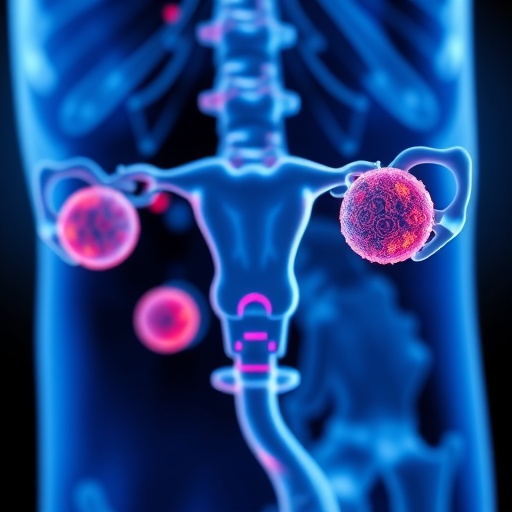
In a groundbreaking stride forward in the realm of therapeutic innovation, Insilico Medicine, a clinical-stage company harnessing the power of generative artificial intelligence, has revealed a potent new candidate molecule, ISM6200, that targets the nuclear receptor subfamily 3 group C member 1 (NR3C1), also known as the glucocorticoid receptor (GR). The NR3C1 receptor plays a critical role in regulating a variety of physiological processes, including stress response, metabolism, immune modulation, and inflammation. This receptor’s diverse involvement in human biology renders it an exceptionally compelling drug target, especially for diseases characterized by excess cortisol such as ovarian cancer, Cushing’s Syndrome, obesity, and glaucoma.
The innovative compound, ISM6200, emerges as a result of advanced AI-driven drug discovery methodologies integrated through Insilico’s proprietary Pharma.AI platform and Chemistry42 generative chemistry engine. These tools enable the rapid design and optimization of molecules with favorable pharmacokinetic and pharmacodynamic profiles. ISM6200 is engineered to possess low drug-drug interaction (DDI) risk, a significant challenge historically faced by NR3C1 inhibitors, thereby presenting a safer therapeutic option that can be paired with existing treatments without introducing complex adverse interactions.
ISM6200 demonstrated remarkable efficacy in preclinical models, including significant dose-dependent anti-tumor activity measured in cell line-derived xenograft (CDX) models when administered alongside the chemotherapy agent paclitaxel. This synergy with paclitaxel is an impactful finding, given the urgent need for improved treatment regimens for platinum-resistant ovarian cancer patients, who statistically face grim survival rates post-resistance development. The ability of ISM6200 to enhance standard chemotherapy responses while maintaining a manageable safety profile positions it as a promising agent in oncological drug development.
Beyond oncology, ISM6200 has shown impressive therapeutic potential in metabolic and endocrine disorders associated with hypercortisolism, a condition where excessive cortisol undermines normal physiological function. Specifically, in a diet-induced obesity (DIO) mouse model, ISM6200 treatment resulted in significant weight loss focused on fat reduction, while preserving muscle mass. Intriguingly, when combined with Semaglutide, a glucagon-like peptide-1 receptor agonist widely used for obesity management, the weight reduction was substantially amplified to nearly a quarter of the animal’s baseline weight — an unprecedented synergy that could redefine approaches to metabolic syndrome management.
The efficacy of ISM6200 extends to critical cardiovascular parameters, as evidenced by experiments in rat models of Cushing’s Syndrome. This molecule markedly alleviated insulin resistance by 68% and normalized blood pressure towards levels seen in healthy controls after just six days of treatment. These systemic improvements highlight ISM6200’s potential in mitigating the complex metabolic dysfunctions that underpin cardiometabolic diseases linked to cortisol excess.
Moreover, Insilico Medicine explored ISM6200’s utility in ophthalmological conditions, demonstrating its capacity to reduce intraocular pressure in a dexamethasone-induced glaucoma model. This action suggests a promising new avenue for treating glaucoma, a major cause of irreversible blindness globally often exacerbated by corticosteroid treatment. Targeting NR3C1 with ISM6200 may thus offer a dual benefit of controlling cortisol-mediated side effects while addressing primary disease pathology.
The molecule’s favorable absorption, distribution, metabolism, and excretion (ADME) characteristics, combined with its pharmacokinetic properties, affirm strong systemic bioavailability and support a low projected effective dose in humans. Importantly, ISM6200 exhibits robust chemical and metabolic stability, factors essential for the transition from preclinical research to clinical application. These attributes underscore the molecule’s “developability,” the pharmaceutical industry term for a candidate’s viability for successful drug development.
ISM6200’s nomination as Insilico Medicine’s 29th preclinical candidate underscores the company’s strategic commitment to harnessing AI-driven platforms to overcome longstanding bottlenecks in drug discovery and development. Since 2021, Insilico has achieved Investigational New Drug (IND) clearance for 12 candidates, progressed three into Phase II trials, and secured over ten business development partnerships, reflecting the cutting-edge quality and commercial appeal of their AI-generated pipeline.
The targeting of NR3C1 has historically been hampered by selectivity and off-target toxicity issues in earlier generation compounds. However, ISM6200 exemplifies the next-generation refinement of glucocorticoid receptor modulators, as it addresses these challenges while minimizing drug-drug interaction risks. This paradigm shift is vital as NR3C1 inhibition spans a wide array of disease modalities, from oncology to immune and metabolic disorders, requiring drugs that can balance efficacy and safety across diverse therapeutic contexts.
Alex Zhavoronkov, PhD, Founder and Co-CEO of Insilico Medicine, emphasized the transformative role of AI in medicinal chemistry, stating the nomination of ISM6200 demonstrates the fusion of accelerated discovery timelines with molecular optimization that reduces traditional risks such as metabolic instability. This approach heralds a new era in drug discovery where AI-generated candidates possess multipurpose activity across biological systems, potentially addressing both aging mechanisms and age-related diseases.
Impressively, ISM6200’s development synergizes with Insilico’s wider cardiometabolic portfolio, leveraging its cortisol-modulating action to amplify existing therapies like semaglutide for enhanced weight loss outcomes. Such combinatorial strategies promise to recalibrate standard treatment protocols through precision medicine, providing tailored, efficacious, and safer interventions for complex disorders driven by hormonal dysregulation.
As Insilico Medicine prepares ISM6200 for clinical translation, this development symbolizes the confluence of artificial intelligence and pharmaceutical sciences in addressing unmet medical needs. With its broad therapeutic indications, including ovarian cancer, metabolic diseases, and glaucoma, ISM6200 represents a promising new frontier in glucocorticoid receptor-targeted therapies, harnessing cutting-edge AI to pave pathways for transformative healthcare solutions.
Subject of Research:
Development of ISM6200, a novel NR3C1 (glucocorticoid receptor) inhibitor, for treating ovarian cancer, hypercortisolism-related disorders, and associated metabolic diseases.
Article Title:
Insilico Medicine’s ISM6200: AI-Driven Breakthrough in Glucocorticoid Receptor Modulation for Oncology and Metabolic Disorders
News Publication Date:
Information not provided.
Web References:
http://www.insilico.com/
Image Credits:
Insilico Medicine
Keywords:
NR3C1; glucocorticoid receptor; ISM6200; artificial intelligence; Pharma.AI; Oncology; ovarian cancer; Cushing’s Syndrome; hypercortisolism; obesity; glaucoma; drug discovery; pharmacokinetics; drug-drug interaction; insulin resistance; AI-driven medicine; medicinal chemistry.


