

Insilico Medicine Accelerates Oncology Innovation with Four Novel AI-Designed Programs Unveiled at AACR 2026
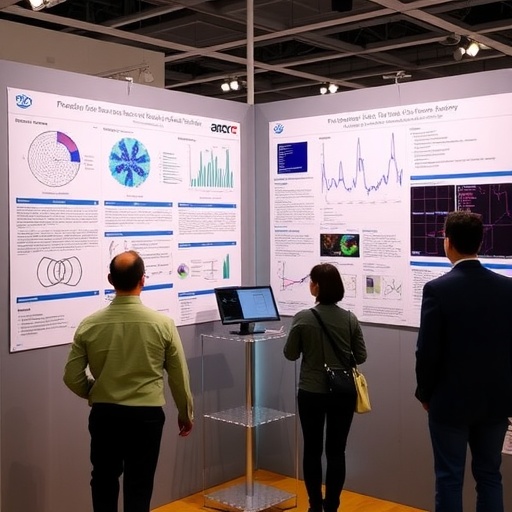
In a striking demonstration of the transformative power of artificial intelligence in drug discovery, Insilico Medicine, a clinical-stage company specializing in AI-driven drug development, has announced the acceptance of four groundbreaking abstracts for poster presentations at the American Association for Cancer Research (AACR) Annual Meeting 2026. This prestigious event, one of the world’s foremost gatherings in oncology research, is scheduled to take place from April 17 to 22 at the San Diego Convention Center, California. Marking its fourth consecutive year of participation, Insilico is set to spotlight a robust and diverse oncology portfolio, showcasing innovations from its UAE-based research and development center alongside its global pipeline.
At the conference, Insilico’s team will present cutting-edge programs that illustrate the integration of generative artificial intelligence into the drug discovery process — an approach that combines vast biological data analysis with molecular design algorithms. Central to these innovations is Insilico’s end-to-end Pharma.AI platform, a technology that sifts through trillions of data points and molecular fragments to accelerate the path from target identification to viable drug candidates. This platform uniquely fuses generative biology and chemistry, allowing simultaneous exploration of novel biological targets and de novo molecular design, which drastically shortens preclinical timelines and expands the chemical space of potential therapeutics.
One of the highlights includes ISM6166, an oral pan-KRAS inhibitor capable of targeting the KRAS oncogene in both its active and inactive states across multiple solid tumors bearing KRAS mutations. KRAS mutations, found in approximately 17% of solid tumors—including pancreatic, colorectal, lung adenocarcinoma, and esophagogastric cancers—have long been considered elusive targets due to their mutational diversity and complex regulatory mechanisms. The clinical challenge is compounded by existing KRAS G12C inhibitors’ limited efficacy, primarily because they bind to the inactive protein conformation and face issues with acquired resistance. ISM6166 addresses this by selectively inhibiting major KRAS variants while sparing related RAS proteins such as HRAS and NRAS, thereby aiming to mitigate toxicity, and demonstrating promising in vivo antitumor efficacy against diverse KRAS-driven cancers.
In another novel advance, Insilico will present research on ISM3830, a small molecule inhibitor designed to target Cbl-b, a pivotal intracellular immune checkpoint that modulates both innate and adaptive immune responses. Cbl-b inhibition has emerged as an attractive immunotherapy strategy by enabling enhanced activation of T cells and natural killer (NK) cells, which are critical mediators of antitumor immunity. ISM3830, discovered through AI-driven generative chemistry approaches, exhibits potent inhibition in vitro and in vivo, restoring suppressed immune functions and promoting increased tumor infiltration by immune effector cells. This dual reactivation of innate and adaptive immunity positions ISM3830 as a promising immunomodulatory agent in the solid tumor setting.
Furthermore, Insilico’s AI-enabled drug discovery prowess is exemplified by ISM6210, a highly selective CDK4 inhibitor designed to treat hormone receptor-positive (HR+) and HER2-negative breast cancer. CDK4 and CDK6 kinases regulate key cell cycle transitions, with CDK4 being more critical in certain breast cancer subtypes. Existing CDK4/6 inhibitors, while effective, face limitations due to hematologic toxicities driven largely by CDK6 inhibition, an essential kinase in hematopoietic stem cell functions. ISM6210 selectively inhibits CDK4 while sparing CDK6, thereby offering a potential therapeutic window with reduced myelosuppression. This specificity is anticipated to deliver robust in vitro and in vivo efficacy with an improved safety profile, addressing a significant unmet clinical need in breast cancer therapy.
The fourth presentation centers on ISM1745, an innovative PRMT5 inhibitor developed to selectively target cancers deficient in the methylthioadenosine phosphorylase (MTAP) enzyme. MTAP deletion, prevalent in about 15% of human cancers, leads to accumulation of methylthioadenosine (MTA), which competitively inhibits the protein arginine methyltransferase 5 (PRMT5) enzyme, creating a unique vulnerability. ISM1745 exploits this MTA-cooperative inhibition mechanism, selectively targeting MTAP-deficient tumor cells while sparing normal cells, resulting in potent antitumor effects. Additionally, ISM1745 demonstrates synergistic efficacy when combined with MAT2A inhibition, further amplifying its therapeutic potential against MTAP-deleted malignancies.
Collectively, these four programs underscore Insilico’s strategic commitment to harnessing AI to redefine oncology drug discovery. By leveraging the unprecedented scale of data integration and generative modeling, Insilico has shortened the preclinical candidate nomination timelines to an average of 12 to 18 months per program — a stark contrast to the traditional 4.5-year early-stage drug discovery benchmark. This acceleration is achieved through synthesizing and testing remarkably fewer molecules (60-200 per program), illustrating the efficiency and precision endowed by AI-driven approaches.
Insilico’s transformative vision integrates artificial intelligence and laboratory automation to expand the boundaries of biopharmaceutical innovation. The company’s efforts span multiple therapeutic areas beyond oncology, including fibrosis, immunology, pain management, obesity, and metabolic disorders. Its proprietary Pharma.AI platform also extends to other industries such as advanced materials, agriculture, nutritional products, and veterinary medicine, demonstrating the broad applicability of AI-driven discovery.
Founded with a mission to enhance human healthspan by radically accelerating drug discovery, Insilico Medicine recently marked a milestone by listing on the Hong Kong Stock Exchange in December 2025. This financial public offering is expected to further empower the company’s pioneering work at the intersection of AI and biotechnology, enabling sustained investment in novel therapeutic modalities leveraging advanced computational methodologies.
As Insilico prepares to engage with leading oncologists, researchers, and industry partners at AACR 2026, it invites the scientific community to explore collaborative opportunities at Booth #1511. These discussions aim to catalyze translational efforts that bridge AI-discovered molecular targets and clinical application, ultimately advancing precision oncology for patients facing unmet medical challenges.
Insilico Medicine’s relentless pursuit of innovation exemplifies the growing synergy between data-driven computational platforms and experimental therapeutics. The unveilings at AACR 2026 forecast a future where artificial intelligence not only accelerates discovery but also delivers transformative cancer therapies with greater specificity, minimized toxicity, and enhanced patient outcomes.
Subject of Research: AI-driven drug discovery in oncology, focusing on novel cancer inhibitors targeting KRAS mutations, immune checkpoints, CDK4 kinases, and PRMT5 in MTAP-deleted cancers.
Article Title: Insilico Medicine Accelerates Oncology Innovation with Four Novel AI-Designed Programs Unveiled at AACR 2026
News Publication Date: April 2026 (AACR Annual Meeting)
Web References:
Image Credits: AACR 2026
Keywords
Generative AI, Oncology, KRAS Inhibitors, Cancer Immunotherapy, CDK4 Selective Inhibitors, PRMT5 Inhibitors, MTAP-Deleted Cancers, Drug Discovery, AI in Biotechnology, Experimental Therapeutics, Small Molecule Inhibitors, Precision Oncology


