

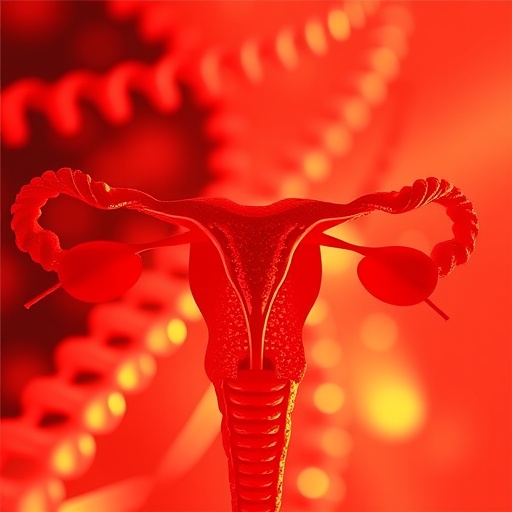
Recent studies have shed light on a troubling phenomenon in the realm of ovarian cancer treatment—the observed resistance of tumors to cisplatin, a cornerstone chemotherapeutic agent. Research conducted by de Souza and colleagues has pinpointed the role of inflammasome activation in this resistance, unveiling a complex interplay between cancer biology and the immune response. Their groundbreaking findings highlight not only the mechanics of how inflammasomes contribute to cisplatin resistance but also suggest potential avenues for therapeutic intervention.
Cisplatin has long been utilized in the treatment of various cancers, including ovarian cancer, for its ability to induce DNA damage and consequently trigger apoptosis in cancer cells. However, a significant subset of ovarian cancer patients demonstrates resistance to this treatment, leading to treatment failure and poor prognosis. Understanding the mechanisms driving this resistance is crucial to improving clinical outcomes and paving the way for more effective treatment strategies.
The inflammasome is a multi-protein complex that plays a vital role in the immune system’s response to pathogens and cellular stress. It orchestrates the activation of inflammatory caspases and the subsequent release of pro-inflammatory cytokines, such as IL-1β and IL-18. These cytokines are pivotal in modulating immune responses and can influence tumor behavior. The recent work by de Souza et al. suggests that inflammasome activation within the tumor microenvironment may contribute to the development of resistance against cisplatin.
One of the key findings from this research is the correlation between inflammasome activation levels and the viability of ovarian cancer cells in response to cisplatin treatment. Elevated levels of activated inflammasomes were observed in cisplatin-resistant cell lines as compared to sensitive ones. This indicates that cancer cells may exploit the inflammatory pathways activated by the inflammasome to promote their survival in the presence of cytotoxic drugs.
Moreover, the study delves into the role of tumor-associated macrophages, a critical component of the immune landscape in tumors. These immune cells can undergo a transformation influenced by the inflammatory environment, which could, in turn, foster a supportive niche for tumor growth and chemoresistance. The interaction between tumor cells and macrophages, specifically in the context of inflammasome activation, opens up new avenues for targeting the tumor microenvironment to enhance the efficacy of cisplatin.
Through a series of laboratory experiments and clinical data analysis, the authors of the study uncover a multifaceted relationship between inflammation, immune evasion, and chemoresistance in ovarian cancer. The findings underscore the necessity of viewing cancer not merely as a disease of uncontrolled cell proliferation but as an intricate interplay between tumor cells and the immune system. This shift in perspective is crucial for the development of holistic cancer treatment strategies.
Furthermore, the researchers propose that targeting key components of the inflammasome pathway could sensitize resistant ovarian cancer cells to cisplatin. Inhibitors of specific inflammasome components or the downstream signaling pathways may serve as adjunct therapies, potentially lowering the tumor’s resistance threshold. Such an integrative approach may not only improve patient responses to cisplatin but also reduce the dosage required, minimizing adverse side effects associated with higher drug concentrations.
In parallel, the examination of genetic markers associated with inflammasome activation could offer insights into patient stratification. By identifying patients likely to exhibit cisplatin resistance based on their inflammasome profile, clinicians can tailor more effective treatment plans, utilizing alternative or complementary treatments early in the therapeutic process.
The implications of this research extend beyond ovarian cancer alone. The insights gained from the study on inflammasome activation and chemoresistance could have broad relevance across various malignancies that rely on cisplatin as a treatment option. As cancer research continues to unravel the complexities of tumor biology, the need for interdisciplinary approaches becomes increasingly evident.
As we stride into an era of personalized medicine, understanding individual tumor biology, particularly the nuanced roles of immune components like inflammasomes, could significantly enhance treatment efficacy. The findings from de Souza et al. provide a compelling framework for future investigations and clinical trials aimed at combating drug resistance, potentially transforming the standard of care for ovarian cancer patients and beyond.
In conclusion, the interplay between inflammasome activation and cisplatin resistance represents a pivotal area in cancer research. As scientists work diligently to decipher these mechanisms, the hope remains that such knowledge will translate into innovative treatments and improved survival rates for patients facing the daunting challenges of ovarian cancer.
Subject of Research: Inflammasome Activation and Cisplatin Resistance in Ovarian Cancer
Article Title: Inflammasome activation contributes to cisplatin resistance in ovarian cancer.
Article References:
de Souza, J.C., Pimenta, T.M., Martins, B.d. et al. Inflammasome activation contributes to cisplatin resistance in ovarian cancer. J Ovarian Res 18, 294 (2025). https://doi.org/10.1186/s13048-025-01852-7
Image Credits: AI Generated
DOI: https://doi.org/10.1186/s13048-025-01852-7
Keywords: inflammasome, cisplatin resistance, ovarian cancer, immune response, tumor microenvironment, chemotherapy, personalized medicine, apoptosis, pro-inflammatory cytokines, tumor-associated macrophages.


