

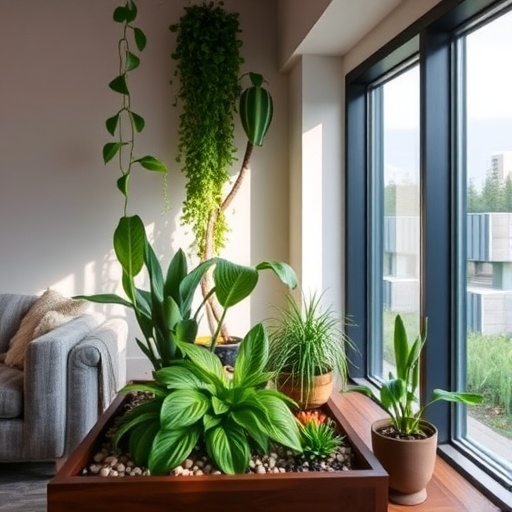
Urban air quality is a global concern, particularly in rapidly growing cities like Chennai, where increased construction, vehicular emissions, and industrial activities have led to deteriorating indoor environments. Recent research by Madhusudanan et al. highlights a pioneering approach to ameliorate indoor air quality by introducing native plants in urban apartments. This study underscores the importance of employing nature-based solutions to tackle air pollution—a pressing issue faced by many urban residents across the world.
As cities expand, the quality of indoor air can suffer significantly. Common pollutants include particulate matter, volatile organic compounds, and various allergens that can negatively impact human health. These concerns are particularly prevalent in urban settings where natural air purification mechanisms are often absent. The question arises: how can we incorporate natural elements into our urban living spaces to enhance air quality? The answer may lie in the strategic use of native plants, as proposed by Madhusudanan and colleagues.
The researchers conducted detailed studies in Chennai, focusing on how various native plant species could improve indoor air quality in apartments. By analyzing the air purification abilities of these plants, the study sets a precedent for adopting greener living strategies. The rationale behind using native species is their adaptability to the local environment, which makes them more resilient and easier to maintain compared to exotic species.
Plants have an innate ability to filter pollutants through their leaves, stems, and roots. They absorb carbon dioxide and release oxygen through photosynthesis, while also transpiring moisture, which can help balance humidity levels indoors. The study identified key native plants that demonstrated superior air purification capabilities, including species that are known for removing toxins and carbon monoxide from the air, leading to a healthier living environment.
In Chennai, where the climatic conditions are distinct, the researchers emphasized the selection of plants that thrive in high temperatures and humidity. This strategic selection not only ensures the plants’ survival but also maximizes their air-purifying benefits throughout the year. The resulting indoor spaces equipped with these plants exhibit lower levels of pollutants, fostering a more serene and health-promoting atmosphere.
The methodology of this research involved a comparative analysis of apartments with and without native plants. The researchers utilized advanced air quality monitoring systems to measure levels of common indoor pollutants. These real-time assessments provided essential data, confirming the effectiveness of the chosen plant species at intercepting and metabolizing harmful compounds present in the indoor setting.
Moreover, the psychological benefits of having plants indoors are well-documented. The aesthetic improvement offered by greenery contributes to overall mental well-being and provides a calming effect, which is incredibly beneficial in fast-paced urban environments. Residents of the apartments in the study reported a greater sense of tranquility and relaxation in spaces adorned with native plants.
The researchers advocate that urban designers and architects should integrate native greenery into building plans. By promoting green designs, they can play a crucial role in reshaping the future of urban living, creating spaces that are not only aesthetically pleasing but also promote health and sustainability. This integration could lead to a profound change in how we approach urban architecture and city planning.
Furthermore, the introduction of native plants can aid in biodiversity conservation efforts within urban environments. Encouraging the growth of these plants can create habitats for local wildlife, particularly species that are endangered due to habitat loss. Thus, the implications of incorporating native plants extend far beyond air quality; they contribute to the ecological balance and health of urban ecosystems.
Financial incentives, including potential reductions in healthcare costs due to improved health outcomes, could alleviate the economic burden associated with poor indoor air quality. By addressing air pollution at its source—the pollution generated within our own homes—communities may witness decreased rates of respiratory diseases and related health issues.
This research serves as a call to action for urban residents, city planners, and policymakers to rethink their approach to indoor air quality. By embracing nature-based solutions and exploring alternative designs that include native greenery, we can create healthier and more sustainable urban living spaces. The integration of plants in homes could become a key area of focus for urban development strategies in future city planning.
In summary, enhancing indoor air quality through the incorporation of native plants presents a viable and beneficial solution for urban residents, particularly in densely populated cities like Chennai. As the world continues to grapple with the effects of urbanization and pollution, this study by Madhusudanan et al. is a significant step towards creating healthier living environments. The research underlines the profound importance of respecting and incorporating nature into our daily lives as a path to better health and well-being.
In conclusion, the findings underscore an important narrative: urbanization does not have to come at the cost of our health or the planet. With innovative thinking and a commitment to sustainability, urban apartments can become more than just living spaces; they can be sanctuaries that promote a balanced coexistence of nature and humanity. The call for greener urban living is not just a trend—it’s an essential movement for future generations.
Subject of Research: Enhancing indoor air quality in urban apartments through native plants.
Article Title: Enhancing the indoor air quality in an urban apartment as in the case of Chennai using native plants.
Article References:
Madhusudanan, S., Venkatesan, R., Babu, S. et al. Enhancing the indoor air quality in an urban apartment as in the case of Chennai using native plants. Environ Sci Pollut Res (2026). https://doi.org/10.1007/s11356-026-37410-x
Image Credits: AI Generated
DOI: https://doi.org/10.1007/s11356-026-37410-x
Keywords: Indoor air quality, native plants, urban apartments, Chennai, air pollution, urban living, sustainability, ecology.


