

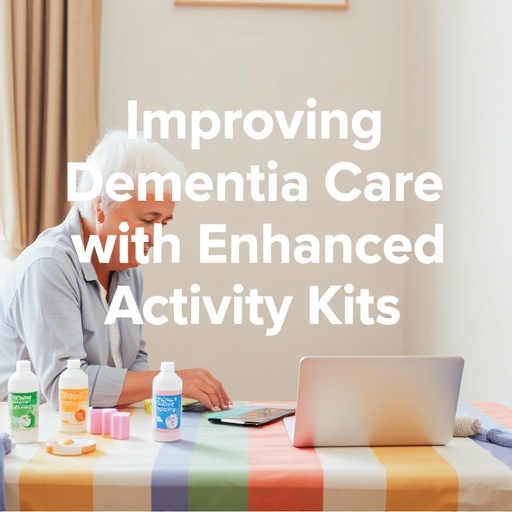
In a groundbreaking exploration of therapeutic interventions for individuals living with dementia, researchers have unveiled the profound potential of enhanced group activity kits. This innovative approach, pioneered by an esteemed team in the field, including notable authors Cohen-Mansfield and Cohen, sheds light on the complex mechanisms through which such activities can foster engagement and improve the quality of life for those affected by this pervasive cognitive decline.
Dementia presents a myriad of challenges, not only for the individuals diagnosed but also for their caregivers and loved ones. As cognitive functions diminish, social isolation and emotional distress often ensue, creating a pressing need for effective interventions. The study conducted by Cohen-Mansfield and Cohen sought to address these very issues by delving into the therapeutic benefits of structured group activities. Their qualitative analysis provides a compelling narrative on how these activities can catalyze meaningful interactions and rekindle a sense of purpose among participants.
The researchers meticulously designed a range of enhanced activity kits, each tailored to suit varying cognitive and physical abilities. These kits encompassed thoughtfully curated materials aimed at stimulating cognitive processes, encouraging physical movement, and fostering social connections. Participants engaged in a spectrum of activities, from crafting to storytelling, each carefully selected to elicit engagement and enjoyment. By breaking down barriers to participation, the researchers aimed to create an inclusive environment where individuals could thrive.
Central to the findings of this study was the recognition of the psychological benefits derived from group activities. Participants often reported feelings of joy and satisfaction as they engaged with their peers, a stark contrast to the loneliness that often characterizes the dementia experience. The sense of camaraderie cultivated through shared activities not only alleviated feelings of isolation but also instilled a sense of belonging and community among participants. This newfound connection served as a vital lifeline, enhancing emotional well-being and fostering resilience in the face of cognitive decline.
Furthermore, the qualitative analysis illuminated the intricate mechanisms driving the positive outcomes associated with these enhanced group activities. The researchers identified several key factors contributing to the effectiveness of the intervention. Among these were the stimulation of cognitive functions through engaging tasks, the promotion of motor skills via active participation, and the facilitation of social interactions that nurtured relationships. Each of these elements played a crucial role in reinforcing the overall therapeutic impact of the activity kits.
A noteworthy aspect of the study was the emphasis on participant feedback, which served as a valuable source of insights into the effectiveness of the activities. Engaging participants in discussions about their experiences allowed the researchers to gauge the emotional responses elicited during the activities. This feedback loop not only informed the continuous refinement of the activity kits but also validated the importance of participant-centered approaches in dementia care.
As the study progressed, the researchers observed a remarkable transformation in participants’ attitudes toward their own abilities. Many individuals who had previously expressed frustration and despair regarding their cognitive decline began to exhibit newfound confidence and enthusiasm. This shift in perspective underscored the potential of enhanced group activities to redefine self-perception and promote a more positive outlook on life, despite the challenges posed by dementia.
The implications of this research extend beyond individual well-being; they represent a paradigm shift in the way dementia care is approached. By prioritizing social engagement and therapeutic interventions, caregivers and healthcare professionals can work collaboratively to create supportive environments that foster autonomy and dignity in individuals living with dementia. This holistic approach aligns with contemporary trends in healthcare that emphasize the importance of addressing both physical and emotional dimensions of health.
Moreover, the study’s compelling findings resonate with the growing recognition of the value of community-based interventions in healthcare. As societal models evolve, it is increasingly evident that fostering connection and engagement can lead to substantial benefits for vulnerable populations. The enhanced group activity kits stand as a testament to the positive outcomes achievable when healthcare providers and researchers actively collaborate to create tailored solutions for specific needs.
In light of these findings, there is a call to action for stakeholders across healthcare systems to invest in the development and implementation of similar activity-based interventions. By embracing innovative therapeutic approaches that prioritize engagement and social interaction, we can enhance the overall quality of life for individuals living with dementia. Future research endeavors should continue to explore the nuances of these interventions, examining their applicability across diverse populations and settings.
As the field of dementia care continues to evolve, the contributions of Cohen-Mansfield and Cohen serve as a beacon of hope for those affected by this condition. The enhanced group activity kits offer not just a means of engagement but also a pathway toward empowerment, fostering a renewed sense of agency in individuals living with dementia. By prioritizing empathy, understanding, and connection, we can collectively pave the way for a future where dignity and quality of life remain at the forefront of dementia care.
The findings from this study prompt a deeper reflection on the societal obligations we hold toward individuals with cognitive impairments. As we witness an aging population grappling with dementia, it becomes paramount to advocate for inclusive practices that embrace the unique strengths and experiences of each individual. By fostering environments where meaningful connections can flourish, we can challenge the prevailing narrative of helplessness and instead celebrate the resilience and spirit of those living with dementia.
Through continued research and innovation, we have an opportunity to redefine the conversation surrounding dementia care. The work of Cohen-Mansfield and Cohen serves as an important reminder that through thoughtful and creative interventions, we can enhance not only the well-being of individuals living with dementia but also contribute to a broader societal shift toward compassion and understanding.
In conclusion, the enhanced group activity kits stand as a symbol of hope and progress in the field of dementia care. By recognizing the inherent value of social connections and emotional engagement, we can cultivate a paradigm that acknowledges the rich tapestry of human experience, even in the face of cognitive decline. Let us champion these innovative approaches and continue to strive for a future where every individual, regardless of their cognitive abilities, is afforded the dignity, respect, and connection they deserve.
Subject of Research: Enhanced group activity kits for individuals living with dementia.
Article Title: Enhanced group activity kits for persons living with dementia: a qualitative analysis of outcomes and mechanisms of action.
Article References:
Cohen-Mansfield, J., Cohen, R. Enhanced group activity kits for persons living with dementia: a qualitative analysis of outcomes and mechanisms of action.
BMC Geriatr (2026). https://doi.org/10.1186/s12877-026-07027-3
Image Credits: AI Generated
DOI: 10.1186/s12877-026-07027-3
Keywords: dementia care, group activities, qualitative analysis, cognitive decline, therapeutic interventions, social engagement.


