

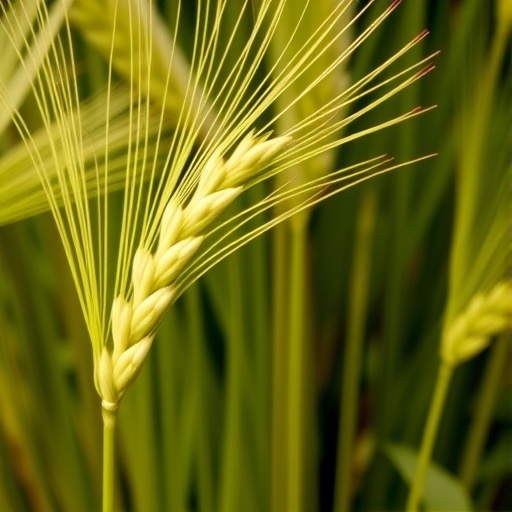
In a world where the demand for sustainable agricultural practices grows ever more critical, recent research sheds light on the potential of using liquid digestates derived from malting effluent. This study, conducted by an innovative team led by Rubert, Kaminski, and Piccin, explores the effects of these digestates, with and without the incorporation of microalgal biomass, on seed treatment and the early growth of barley—a staple crop that plays a vital role in global food security.
In the arena of waste valorization, malting effluent presents a unique opportunity to explore alternative nutrient sources for crop cultivation. With the brewing industry being a significant generator of such organic waste, the transformation of these effluents into a usable form fits seamlessly into the broader framework of a circular economy. The researchers seek not only to reduce the environmental impact of malting operations but also to enhance agricultural productivity through effective nutrient management.
The methodology employed in this study involved the careful collection and processing of liquid digestates from malting effluent. The team meticulously prepared treatments that varied in their content of microalgal biomass—an ingredient known for its rich nutrient profile. This innovation aims to address several critical factors: enhancing seed germination, boosting seedling vigor, and ultimately improving crop yield. By integrating these organic materials, the researchers hope to capitalize on the synergistic effects of natural fertilizers and microalgae.
A primary focus of the study was on assessing how these treatments influence the physiological and biochemical parameters of barley seedlings. Researchers conducted experiments measuring germination rates, root length, and shoot height—it became apparent that even minor variations in treatment composition could lead to substantial differences in growth outcomes. Through rigorous statistical analyses, the team sought to isolate the principal effects of the digestates and algal biomass on plant development.
One of the key findings indicated that the application of liquid digestates not only provides essential nutrients to the barley seeds but also enhances their resilience against environmental stressors. As today’s climate issues pose more frequent and severe challenges, understanding how plants can better tolerate stress is crucial for future cropping systems. This research aligns well with ongoing discussions about improving agricultural systems in a rapidly changing global environment.
Additionally, the inclusion of microalgal biomass demonstrated significant potential in enriching the digestates. Algae are not just a rich source of macronutrients but also contain micronutrients that are vital for plant health. The study highlighted how these micronutrients could potentially contribute to improved enzymatic activity in plants, fostering enhanced growth and development. Such interactions could provide insights into how integrating microalgal systems with traditional agricultural practices can yield beneficial effects.
As the study unfolds, it becomes increasingly clear that the application of these treatments can lead to a dual benefit: The reduction of waste from the malting industry while simultaneously providing an organic nutrient source for barley farmers. This aspect is particularly appealing as it encourages the adoption of eco-friendly practices amid rising environmental concerns. It also serves as a beacon of hope for sustainable practices in agriculture, pointing toward a future where waste is not merely discarded but repurposed into valuable resources.
Moreover, the research team anticipates that the findings will catalyze further investigations into other crops that could similarly benefit from these innovative digestate treatments. Considering the versatility of agricultural systems, there is promising potential for this approach to expand beyond barley and proliferate within diverse cropping systems. Future studies could explore a wider variety of plants and investigate long-term effects, further fortifying the argument for integrating these practices into mainstream agriculture.
As with any groundbreaking research, challenges remain. The extensive variability in composition and nutrient profiles of liquid digestates means that standardization will be crucial for practical applications. Ensuring farmers can uniformly apply these treatments with predictable results will be paramount for the sustainable adoption of such practices. Consequently, the researchers emphasize the need for developing guidelines and training for farmers who wish to integrate this type of sustainable practice into their routines.
In conclusion, the exploration of liquid digestates from malting effluent, particularly in combination with microalgal biomass, opens up promising avenues for enhancing seed treatment and crop growth in barley. This research not only contributes to the body of knowledge surrounding waste valorization but also poses a compelling argument for shifting agricultural practices toward more sustainable, eco-friendly methods. The future of food production may very well rest in the hands of innovative research such as this, propelling us closer to a more sustainable and resilient agricultural landscape.
As we continue to search for viable solutions to the myriad challenges faced by the agriculture sector, studies like this reaffirm the importance of innovation in finding sustainable pathways. The integration of wastewater resources into farming aligns closely with global sustainability goals, inviting farmers to consider new techniques and materials that may one day become standard practice.
The implications of this research extend beyond agricultural productivity; they touch on the ecological symbiosis achievable through intelligent resource management. The initiative by Rubert and colleagues not only addresses a pressing environmental concern but also provides a framework for future explorations in the field. As stakeholders in agriculture and sustainability look to the horizon of food production, this research stands as a testament to the power of innovative science in shaping our food systems for the better.
In essence, the study of liquid digestates as beneficial nutrient sources for barley encourages a reevaluation of how we approach agricultural waste. It establishes a narrative that champions the circular economy and sustainable practices, pushing the boundaries of what is possible and inspiring future generations to find creative solutions to the challenges we face today.
Subject of Research: Effects of Liquid Digestates from Malting Effluent on Barley
Article Title: Effects of Liquid Digestates from Malting Effluent, with or Without Microalgal Biomass, on Seed Treatment and Early Growth of Barley
Article References:
Rubert, A., Kaminski, C., Piccin, J.S. et al. Effects of Liquid Digestates from Malting Effluent, with or Without Microalgal Biomass, on Seed Treatment and Early Growth of Barley.
Waste Biomass Valor (2026). https://doi.org/10.1007/s12649-025-03461-3
Image Credits: AI Generated
DOI: https://doi.org/10.1007/s12649-025-03461-3
Keywords: Liquid digestates, barley, malting effluent, sustainable agriculture, microalgal biomass, waste valorization.


