

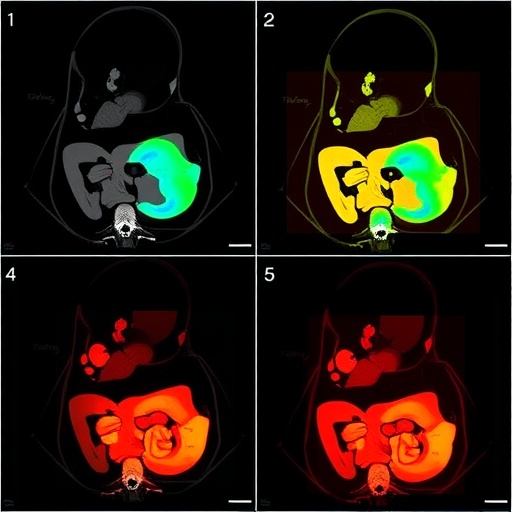
In the rapidly evolving realm of pediatric radiology, a groundbreaking study led by Krishnasarma and a collaborative team has emerged, focusing on a rare but significant condition known as megacystis-microcolon-intestinal hypoperistalsis syndrome (MMIHS). This condition, primarily characterized by the abnormal dilation of the bladder and atypically small intestines, presents unique diagnostic challenges and clinical implications. The significance of radiological imaging in the assessment and management of MMIHS cannot be overstated, as it plays a pivotal role in patient outcomes.
The study meticulously reviews the imaging modalities utilized to diagnose and monitor MMIHS across different stages of patient development, particularly before, during, and after the neonatal period. It highlights the importance of early detection and the nuances involved in interpreting various imaging studies. Radiologists and clinicians alike will find value in the visual representation of MMIHS through the lens of advanced imaging techniques.
One of the primary imaging modalities discussed is ultrasound, which serves as a frontline tool in evaluating patients suspected of having MMIHS. Ultrasound provides non-invasive insights into the abdominal and pelvic organs, allowing for real-time assessment of bladder distension and gastrointestinal morphology. This modality is vital in newborns, where exposure to radiation should be minimized. The ability of ultrasound to visualize bladder size and intestinal configuration makes it indispensable in the clinical evaluation of MMIHS.
The study further delves into the role of magnetic resonance imaging (MRI) in the comprehensive assessment of MMIHS. Unlike ultrasound, MRI offers superior soft tissue contrast and can deliver detailed images without ionizing radiation. This aspect is particularly beneficial for pediatric patients, whose developing tissues are more susceptible to the hazards of radiation. MRI can elucidate the complex anatomy associated with MMIHS and assist in planning surgical interventions when necessary.
To complement these imaging techniques, computed tomography (CT) is also explored within the study. Although CT scans expose patients to radiation, its capacity to provide exceptional cross-sectional images can be invaluable in specific clinical scenarios. The study raises awareness about the judicious use of CT, aiming to balance the need for accurate diagnosis against the potential risks involved, particularly when managing a vulnerable pediatric population.
In addition to the core imaging modalities, the study emphasizes the importance of a multidisciplinary approach in the management of MMIHS. Collaboration among pediatricians, radiologists, and surgeons is paramount to formulating effective treatment plans that address not only the anatomical anomalies but also the metabolic and nutritional needs of affected infants. This comprehensive strategy aims to optimize patient outcomes and enhance quality of life.
The imaging findings presented in the study are not merely academic; they reflect real patient cases with diverse presentations of MMIHS. These cases emphasize the variability in features and the challenges faced during diagnosis. The pictorial review serves as a visual educational tool for healthcare professionals, promoting awareness and understanding of this syndrome.
Furthermore, the research discusses the long-term outcomes of patients with MMIHS. Follow-up imaging is crucial to assess the resolution or persistence of symptoms as patients transition through various developmental stages. The study provides insights into how imaging findings correlate with clinical outcomes, enriching the understanding of prognostic factors associated with MMIHS.
An additional focus within the study is the psychological impact of receiving a diagnosis of MMIHS on families. The emotional burden of managing a complex condition often extends beyond physical health, influencing the overall wellbeing of both patients and their caregivers. The authors advocate for integrated care pathways that address not only medical needs but also provide psychological support and resources for families grappling with the implications of MMIHS.
In conclusion, the findings of this study illuminate the critical role of advanced imaging techniques in understanding and managing megacystis-microcolon-intestinal hypoperistalsis syndrome. The comprehensive review provided by Krishnasarma et al. elucidates the need for heightened awareness among healthcare professionals regarding this rare condition and the importance of early diagnosis. This research not only contributes significantly to the existing body of literature but also underscores the potential of interdisciplinary collaboration in improving patient care for children affected by MMIHS.
As healthcare continues to evolve with technological advancements, the ongoing refinement of imaging techniques will be essential in enhancing diagnostic accuracy and treatment strategies for pediatric conditions such as MMIHS. Through such collaborative efforts, we can strive toward a future where early intervention and targeted therapies thrive, ultimately leading to better health outcomes for these vulnerable patients.
Subject of Research: Imaging of megacystis-microcolon-intestinal hypoperistalsis syndrome in pediatric patients.
Article Title: Imaging of megacystis-microcolon-intestinal hypoperistalsis syndrome before, during, and after the neonatal period: a pictorial review.
Article References:
Krishnasarma, R., Maria Anthony Rayer, D., Sarma, A. et al. Imaging of megacystis-microcolon-intestinal hypoperistalsis syndrome before, during, and after the neonatal period: a pictorial review. Pediatr Radiol (2026). https://doi.org/10.1007/s00247-026-06526-0
Image Credits: AI Generated
DOI: 27 January 2026
Keywords: MMIHS, pediatric radiology, ultrasound, MRI, CT imaging, interdisciplinary care, patient outcomes, psychological impact, early diagnosis.


