

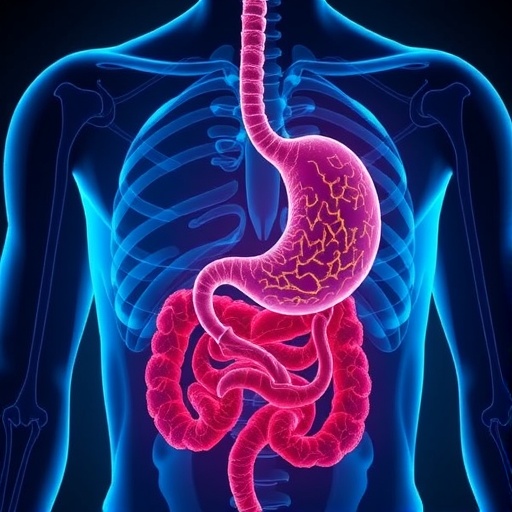
In the high-stakes arena of oncology, where the lines of battle are drawn within the microscopic trenches of our own cellular architecture, a groundbreaking discovery has emerged from the prestigious laboratories of researchers like Furutani, Oshima, and Hong. Published in the visionary pages of Nature Communications, this research finally shatters the long-standing mystery surrounding how gastric cancer transitions from a localized malignancy into a lethal, migratory force that colonizes distant organs. For decades, the medical community has grappled with the elusive mechanisms of gastric cancer metastasis, often watching in frustration as treatments failed to stop the invisible spread of the disease through the body’s intricate systems. This new study highlights a sophisticated biochemical betrayal involving the ligand-dependent Wnt signaling pathway, a fundamental biological circuit that is hijacked by tumors to rewire their immediate surroundings into a staging ground for invasion. By meticulously deconstructing the molecular dialogue between cancer cells and their surrounding stroma, the team has unveiled a clandestine operation where Wnt signaling plays the role of a master puppeteer, orchestrating the synthesis of hyaluronan within the tumor microenvironment to lubricate the gears of metastatic progression.
The narrative of this scientific breakthrough begins with the understanding that cancer is not merely a cluster of autonomous rogue cells, but rather a complex ecological entity that actively manipulates its environment to survive and thrive. At the heart of this manipulation lies the Wnt signaling pathway, a conserved evolutionary mechanism responsible for cell growth, polarity, and fate determination during development, which, when deregulated, becomes a primary driver of oncogenesis. The researchers discovered that in the specific context of gastric cancer, the activation of this pathway is not always an internal genetic mishap but is often triggered by external ligands—signal-carrying proteins—that bind to cell surface receptors like a key turning a lock. This ligand-dependent activation initiates a domino effect of intracellular phosphorylation and transcription factor stabilization, effectively transforming the tumor’s genetic expression profile. Unlike previous models that focused solely on mutations within the cancer cell itself, this research emphasizes the critical importance of the external stimuli and the biological “noise” within the microenvironment, suggesting that the tumor is constantly listening to and being influenced by the signals emanating from its neighboring healthy tissues.
One of the most profound revelations of this study is the identified link between Wnt signaling and the production of hyaluronan, a large, sugar-like molecule that constitutes a significant portion of the extracellular matrix. Under normal physiological conditions, hyaluronan serves as a structural scaffold and a lubricant, but in the hands of a Wnt-activated gastric tumor, it becomes a biological lubricant for destruction. The research demonstrates that ligand-dependent Wnt signaling directly upregulates the enzymes responsible for hyaluronan synthesis, flooding the microenvironment with this viscous substance. This accumulation of hyaluronan acts as a specialized highway, physically reducing the friction and resistance that cancer cells would typically encounter when trying to break away from their primary site. It creates a permissive, almost welcoming environment that facilitates the detachment of malignant cells and their subsequent journey through the lymphatic and vascular systems. This mechanism places the extracellular matrix at the center of the metastatic process, proving that the ground beneath the tumor is just as important as the seeds of the tumor itself when predicting how aggressively a cancer will spread.
To achieve these insights, the multi-national research team employed a rigorous experimental framework that spanned ultra-precise genomic sequencing, advanced organoid modeling, and sophisticated in vivo imaging of mouse models. They observed that when ligand-dependent Wnt signaling was inhibited, the levels of hyaluronan plummeted, and the cancer’s ability to metastasize was significantly crippled, even if the primary tumor remained. This finding suggests that we might have been looking at cancer the wrong way; perhaps the goal should not just be to kill the cancer cell, but to starve its ability to modify the terrain around it. The technical data provided in the Nature Communications article shows a direct correlation between the density of hyaluronan staining in patient biopsies and the overall survival rates, with higher concentrations of this molecular lubricant serving as a grim harbinger of advanced stage disease and poor prognosis. By targeting the ligand-receptor interface of the Wnt pathway, the scientists have successfully demonstrated a potential therapeutic window where the metastatic engine can be stalled before it reaches the point of no return.
The implications of this discovery for personalized medicine are staggering, as it opens the door to a new generation of diagnostic tools and targeted therapies designed to intercept the molecular signals before they can modify the microenvironment. Currently, the standard of care for gastric cancer involves aggressive chemotherapy and surgical resection, but these methods often fail to catch the microscopic “scouts” that have already used the hyaluronan pathways to escape. With this new understanding of ligand-dependent signaling, clinicians may soon be able to use hyaluronan levels or Wnt ligand concentrations as biomarkers to identify patients at high risk for metastasis long before clinical symptoms appear. Furthermore, the development of small-molecule inhibitors or monoclonal antibodies that specifically block the Wnt ligands could provide a surgical strike capability that traditional, broad-spectrum chemotherapies lack. This approach represents a paradigm shift from a “search and destroy” mission against every single cancer cell toward a strategy of “contain and stabilize,” where the tumor is essentially imprisoned by preventing it from building its own escape corridors through the extracellular matrix.
Deepening the technical complexity of the study, the researchers explored how the stromal cells—predominantly fibroblasts—within the stomach lining are coerced by the cancer into producing the bulk of the hyaluronan. This cross-kingdom communication between different cell types illustrates the true nature of the tumor microenvironment as a corrupt ecosystem. The Wnt ligands secreted by the cancer cells act as a chemical bribe, forcing the surrounding healthy stroma to work against the host’s interests. This interaction creates a feedback loop where the more hyaluronan is produced, the more the tumor is stimulated to grow and release further signaling molecules, creating an ever-expanding zone of influence. This insight into the “corrupted stroma” highlights why many treatments fail; even if the cancer cells are temporarily suppressed, the surrounding environment remains primed for their return and spread. This makes the stromal-cancer interface the new frontier for drug development, with the Furutani-led study serving as a definitive map for researchers looking to plant the next flag in the fight against gastric cancer.
The global resonance of this research stems from the fact that gastric cancer remains one of the leading causes of cancer-related mortality worldwide, particularly in East Asia, where it poses a monumental public health challenge. The subtle and often asymptomatic nature of its early stages means that many patients are diagnosed only after the ligand-dependent Wnt mechanisms have already paved the way for metastasis. By bringing the role of the microenvironment into the spotlight, this study offers hope to millions of people who previously faced a bleak outlook. The viral spread of this information within the scientific community and beyond is a testament to its potential to change the standard of care. It shifts the focus from a purely genetic view of cancer to a more holistic, structural view of the disease, acknowledging that the architecture of our tissues is a combatant in the struggle for survival. As we move closer to the 2030s, the integration of these findings into clinical trials will be the ultimate test of this theory, potentially turning one of the most feared diagnoses into a manageable, localized condition that no longer possesses the keys to the rest of the body.
The molecular choreography described in the paper also reveals that the timing of these signals is crucial, suggesting that there is a brief but critical window of opportunity for intervention. The study observed that the spike in hyaluronan expression occurs just as the tumor prepares for its first move out of the epithelial layer, the early stage of invasion. If doctors can develop a “checkpoint” test to detect the activation of ligand-dependent Wnt signaling at this specific juncture, the survival rates for gastric cancer could skyrocket from their currently modest levels. The research team’s ability to isolate the specific ligands involved provides a blueprint for synthetic chemists to design inhibitors that are highly specific, reducing the side effects that typically plague Wnt-targeted therapies, which often accidentally interfere with healthy stem cell maintenance in the gut. This level of precision is the hallmark of modern molecular biology, where the goal is no longer to use a sledgehammer to fix a broken watch, but rather to identify the exact gear that is causing the malfunction and replace it or jam it without harming the surrounding mechanism.
In the broader context of cancer research, the link between hyaluronan and metastasis is not entirely new, but the discovery of the Wnt-dependent pathway as the primary driver in gastric cancer is a massive leap forward. Other cancers, such as breast and pancreatic, also utilize hyaluronan for survival and spread, hinting that the findings of Furutani and colleagues might have cross-over applications in multiple fields of oncology. This universality makes the research particularly viral, as the potential for a “universal metastasis blocker” becomes a tangible possibility in the minds of researchers and the public alike. The study serves as a reminder that science is a collective endeavor, building on the foundations of previous generations while using cutting-edge technology to see what was once invisible. Through the lens of Nature Communications, we are witnessing the birth of a new doctrine in cancer treatment—one that views the microenvironment not as a passive background but as an active participant in the disease’s deadly progression.
Furthermore, the team’s visualization of these processes using high-resolution spatial transcriptomics allowed them to map exactly where the Wnt signaling was at its peak within a living tissue sample. This allowed for the discovery that the signals are not uniform but occur in high-intensity “hotspots” at the leading edge of the tumor. These hotspots are the epicenters of the metastatic departure, where the cancer cells are most aggressively remodeling the extracellular matrix. By observing these “invasion zones” in such detail, the researchers have identified the specific cell-to-cell junctions that are most vulnerable to therapy. This level of detail is unprecedented and provides a massive dataset for other scientists to analyze via computational biology, further accelerating the pace of discovery. The data richness of this study ensures it will be cited for years to come, serving as a cornerstone for any future inquiries into the relationship between developmental signaling pathways and the structural biology of the extracellular matrix in human cancers.
As we look toward the future of oncological breakthroughs, the work of Furutani, Oshima, and Hong stands as a beacon of clarity in a notoriously opaque field. Their work elegantly connects the dots between a cell’s internal signaling and its external environment, proving that the secret to stopping metastasis lies in understanding the complex dialogue between the two. The discovery that ligand-dependent Wnt signaling is the engine behind hyaluronan-driven spread provides a clear target for the next generation of biopharmaceuticals. It is a story of biological intelligence being outsmarted by human ingenuity, as we learn to flip the switches that the cancer has so cleverly turned on. The viral nature of this news is not just about the technical brilliance of the study, but the tangible hope it offers to those affected by gastric cancer. By disrupting the microscopic highways that these tumors build for themselves, we are one step closer to a world where cancer is a stationary and treatable problem, rather than a wandering and unpredictable killer.
The meticulous detail with which these researchers have traced the pathway from ligand to receptor, and finally to the massive production of hyaluronan, underscores the importance of basic science research in solving clinical problems. Without the fundamental understanding of how Wnt signaling works on a molecular level, this direct link to the physical structure of the tumor microenvironment would have remained hidden. This study reinforces the idea that the most effective way to treat a complex disease is to delve deeper into its most basic mechanisms. As the scientific community continues to digest the findings from this 2026 Nature Communications paper, the momentum will undoubtedly lead to new diagnostic protocols and therapeutic strategies that prioritize the stabilization of the extracellular matrix. The era of focusing exclusively on the “seed” of cancer is ending, and the era of managing the “soil” in which it grows has definitively begun, promising a more comprehensive and effective approach to one of humanity’s greatest medical challenges.
Ultimately, the significance of this research lies in its ability to translate abstract molecular biological processes into a clear physical reality of tumor progression. When we visualize a gastric cancer cell physically sliding along a path of hyaluronan, the abstract concept of metastasis becomes a tangible mechanical problem that can be solved with structural solutions. The research by Furutani and his colleagues has provided the toolkit necessary to start dismantling these structural supports. This is why the study has captured the imagination of the public and the scientific world alike; it represents a moment where the complexity of cancer is distilled into a clear, actionable target. As we move forward, the legacy of this work will be found in the patients who live longer, healthier lives because their cancer was unable to find its footing and spread, held in place by therapies that protect the integrity of the human body’s internal environment against the pressures of malignant transformation.
In conclusion, the findings presented in the 2026 Nature Communications article regarding the ligand-dependent Wnt signaling pathway represent a transformative milestone in our understanding of gastric cancer. By identifying hyaluronan as the primary agent of spread and Wnt ligands as the triggers for its production, the research team has provided a definitive roadmap for future oncology. This chemical and physical “escape route” used by cancer can now be targeted with surgical precision, offering a new horizon of hope for those battling this aggressive disease. The study’s rigorous methodology and profound insights into the tumor microenvironment ensure its place as a seminal work in the history of cancer research, marking the beginning of a new chapter where we no longer just fight the cancer, but we actively defend the very fabric of the organs it seeks to inhabit. This is the future of medicine—sophisticated, targeted, and relentlessly focused on the molecular details that make the difference between life and death.
Subject of Research: The mechanisms by which ligand-dependent Wnt signaling facilitates gastric cancer metastasis by inducing hyaluronan expression within the tumor microenvironment.
Article Title: Ligand-dependent Wnt signaling promotes gastric cancer metastasis through hyaluronan expression in microenvironment.
Article References:
Furutani, Y., Oshima, H., Hong, C.P. et al. Ligand-dependent Wnt signaling promotes gastric cancer metastasis through hyaluronan expression in microenvironment.
Nat Commun (2026). https://doi.org/10.1038/s41467-026-69470-5
Image Credits: AI Generated
DOI: https://doi.org/10.1038/s41467-026-69470-5
Keywords: Gastric Cancer, Metastasis, Wnt Signaling, Hyaluronan, Tumor Microenvironment, Ligand-Dependent, Oncogenesis, Extracellular Matrix, Molecular Oncology.


