

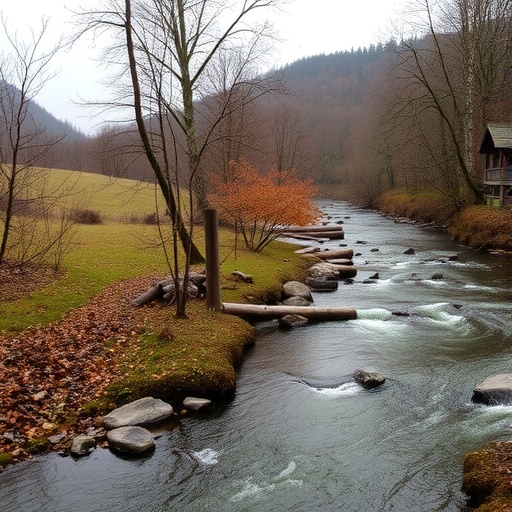
In the picturesque landscapes of the Polish Carpathians, a significant transformation is unfolding that may reshape our understanding of wastewater management and its immediate impact on river water chemistry. As global awareness of environmental sustainability continues to grow, researchers are diving deep into the interconnection between human activities and the natural world. This study, spearheaded by Biernacka and Bojarczuk, meticulously investigates how the introduction of wastewater treatment facilities in this mountain region is influencing the chemical make-up of river waters, illuminating both the challenges and successes inherent in such initiatives.
Wastewater treatment has emerged as an indispensable tool in combatting pollution, especially in ecologically sensitive areas. In the Polish Carpathians, characterized by its pristine rivers and rich biodiversity, the need for effective wastewater management has never been more critical. As the region attracts both locals and tourists, the pressure on natural water resources has escalated, resulting in elevated levels of contaminants and altered chemical signatures in river waters. This research offers a timely response to these pressing environmental concerns.
The researchers employed rigorous methodologies to gauge the alterations in river water chemistry pre- and post-treatment implementation. Through systematic sampling and advanced analytical techniques, they measured various parameters including nutrient levels, heavy metal concentrations, and organic pollutant profiles. Such comprehensive scrutiny not only provides insights into the effectiveness of the wastewater treatment strategies but also establishes a baseline for future studies aimed at environmental restoration and protection.
The study’s findings reveal a complex narrative. Initially anticipated reductions in pollutants were mixed with unexpected chemical transformations. While certain toxic contaminants showed significant declines, the introduction of treatment processes sometimes led to unforeseen reactions, emphasizing the necessity for adaptive management strategies. The results also underline the intricate relationships between various chemical constituents present in the river systems, necessitating a multi-faceted approach to environmental monitoring.
As a pivotal aspect of the research, the authors contextualize their findings within the scope of environmental science and pollution research. They highlight the importance of continued investigation into the long-term effects of wastewater treatment on aquatic ecosystems. The adaptive responses of flora and fauna in these rivers to changing water chemistry can yield critical insights into overall ecosystem health. Such evaluations help in understanding how species diversity and abundance may be influenced by anthropogenic disruptions.
Moreover, the ecological ramifications transcend beyond the immediate water bodies. Changes in river chemistry can have cascading effects throughout the watershed. For example, altered nutrient levels can affect sediment composition, river morphology, and ultimately, the ecological balance of aquatic and terrestrial ecosystems. These interconnected relationships illustrate the importance of a holistic approach in environmental science, where a focus on one aspect can inadvertently influence many others.
Public engagement and policy implications also emerge as crucial components of this research. With a population increasingly concerned about environmental issues, the dissemination of findings to local communities can foster a culture of sustainability. The awareness brought about by successful treatment initiative stories can serve as motivation for further investments in environmental infrastructure. It is incumbent upon both researchers and policymakers to craft messages that resonate with the community, emphasizing the long-term benefits of effective wastewater management.
At the intersection of technology and nature, this research also highlights the potential for innovation in wastewater treatment processes. As the study unfolds, it may inspire futures where advanced filtration systems, bioremediation strategies, and community-driven initiatives converge. Technology, when aligned with environmental objectives, can not only alleviate pollution issues but also enhance the quality of life for those residing in vulnerable regions.
Additionally, the geographical and climatic nuances of the Polish Carpathians warrant specialized strategies. Researchers emphasize that solutions must be tailor-made, taking into account local ecosystems and socio-economic conditions. This nuanced understanding reinforces the importance of employing locally derived knowledge alongside scientific research, facilitating sustainable outcomes that resonate with the community’s needs.
As we strive towards a more sustainable future, the importance of vigilant research, such as that conducted by Biernacka and Bojarczuk, cannot be overstated. Their research not only illuminates the effects of wastewater treatment on river chemistry but also serves as a testament to the broader commitment to preserving our planet’s natural resources. The findings encompass significant implications for other regions facing similar challenges, presenting a template for environmental action rooted in scientific inquiry and community collaboration.
In conclusion, the findings of this research extend beyond the Polish Carpathians, offering lessons applicable to global conversations around water quality and wastewater management. The transformative potential of wastewater treatment presents both remarkable opportunities and challenges. By embracing a collaborative approach that melds rigorous scientific study with community engagement, we can innovate sustainable practices that truly honor the delicate balance of our earth’s ecosystems.
Through the lens of this study, we are reminded that our actions reverberate through the natural world, inviting us to forge paths that prioritize ecological health. Armed with improved knowledge, communities can drive efforts that not only purify their water but also cultivate a deeper appreciation for the rivers that shape their lives.
As we look to the future, we must remain vigilant and proactive. The waters of the Polish Carpathians, and indeed rivers everywhere, call for our respect and stewardship. In this quest for harmony between human progress and nature, every step taken toward understanding river water chemistry is a step forward for sustainable coexistence.
Subject of Research: Changes in river water chemistry due to wastewater treatment in the Polish Carpathians.
Article Title: Transformations in river water chemistry following wastewater treatment implementation in a mountain region of the Polish Carpathians.
Article References:
Biernacka, A., Bojarczuk, A. Transformations in river water chemistry following wastewater treatment implementation in a mountain region of the Polish Carpathians.
Environ Sci Pollut Res (2025). https://doi.org/10.1007/s11356-025-37278-3
Image Credits: AI Generated
DOI: https://doi.org/10.1007/s11356-025-37278-3
Keywords: Wastewater treatment, river water chemistry, Polish Carpathians, environmental science, ecological sustainability.


