
Saturday, February 14, 2026
Science
No Result
View All Result
  • Login
  • HOME
  • SCIENCE NEWS
  • CONTACT US
  • HOME
  • SCIENCE NEWS
  • CONTACT US
No Result
View All Result
Scienmag
No Result
View All Result
Home Science News Medicine

How hnRNPM and BCAS2 Control Oocyte Development

February 14, 2026
in Medicine
Reading Time: 7 mins read
0
65
SHARES
587
VIEWS
Share on FacebookShare on Twitter
ADVERTISEMENT

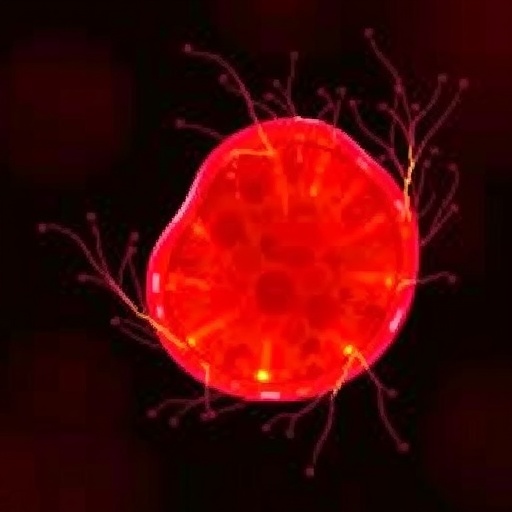
The microscopic inner workings of the mammalian oocyte represent one of the most sophisticated biological ballets ever observed in modern genetics, acting as the singular foundation for the continuation of life itself. In a groundbreaking revelation published in Nature Communications, a team of researchers led by Zhou and colleagues has finally decoded a critical regulatory mechanism that governs how an egg cell matures from a dormant state into a viable vessel for reproduction. At the heart of this discovery lies a delicate partnership between two specific proteins, hnRNPM and BCAS2, which together orchestrate the complex process of alternative splicing during the high-stakes period of oocyte development. This discovery not only reshapes our fundamental understanding of female fertility but also highlights the extraordinary precision required to assemble the molecular machinery of an embryo before fertilization even occurs. By diving into the dark matter of the oocyte’s transcriptome, the scientists have uncovered a hidden layer of control that decides which genetic instructions are followed and which are discarded, a process that determines the ultimate fate of the maternal lineage.

To appreciate the magnitude of this breakthrough, one must first recognize that the development of an oocyte is not a simple linear growth phase but a massive logistical undertaking involving the storage and processing of thousands of messenger RNA molecules. Unlike most cells that produce proteins immediately after transcription, the maturing oocyte must carefully curate its genetic reservoir, ensuring that the right proteins are available at exactly the right millisecond during meiosis and early development. The researchers focused their attention on alternative splicing, a versatile biological mechanism that allows a single gene to encode multiple distinct proteins by selectively including or excluding different sections of genetic code called exons. Within the environment of a developing oocyte, this process must be flawless, as even a minor error in splicing can lead to chromosomal instability, developmental arrest, or total infertility. The study identifies hnRNPM as a master regulator that does not work in isolation but rather recruits the specialized protein BCAS2 to navigate the treacherous waters of the splicing landscape with surgical accuracy.

The synergy between hnRNPM and BCAS2 emerged as the central theme of the study, revealing a cooperative relationship that functions much like a high-tech editing suite for genetic blueprints. Through a series of advanced loss-of-function experiments, the research group demonstrated that the absence of either protein leads to a catastrophic collapse of the oocyte’s developmental program, characterized by massive defects in spindle assembly and chromosome alignment. When hnRNPM is removed from the equation, the splicing of hundreds of essential genes is disrupted, creating a domino effect that prevents the oocyte from reaching functional maturity. It appears that hnRNPM acts as the “scout” that identifies specific targets within the RNA sequence, while BCAS2 provides the structural and catalytic support necessary to execute the splicing reaction. This partnership is particularly vital for genes involved in cell cycle regulation and microtubule dynamics, which are the physical scaffolding upon which the entire weight of embryonic development rests, making this duo indispensable for the genesis of new life.

Technically speaking, the interaction between these two factors occurs via highly specific molecular domains that allow them to bind to the pre-messenger RNA at precise locations known as splice sites. The team utilized sophisticated sequencing technologies and bioinformatic modeling to map these interactions, discovering that hnRNPM preferentially targets long introns and complex gene structures that are notoriously difficult for the standard cellular machinery to process alone. By stabilizing the spliceosome, the massive molecular machine responsible for the actual cutting and pasting of RNA, the hnRNPM-BCAS2 complex ensures that the maternal mRNA pool is diverse yet strictly controlled. This level of specialization suggests that the oocyte has evolved unique regulatory circuits that are far more complex than those found in somatic cells, likely reflecting the high evolutionary cost of reproductive failure. The data suggests that without this specific cooperative mechanism, the oocyte simply cannot navigate the transition from a quiescent follicle to an active, fertilizable gamete.

Furthermore, the study delves into the temporal nature of these proteins, showing that their expression is tightly synchronized with the waves of transcriptional activity that occur as the oocyte grows within the ovary. Fluorescent imaging and high-resolution microscopy revealed that hnRNPM and BCAS2 co-localize within the nucleus, forming dense clusters where the most intense splicing activity resides. This spatial organization is not accidental; it represents a physical strategy to maximize the efficiency of RNA processing by concentrating all the necessary ingredients in one molecular kitchen. When the researchers artificially inhibited the interaction between these two proteins, they observed a “splicing crisis” where introns were improperly retained in the final transcripts, leading to the production of non-functional or toxic proteins. This failure at the molecular level manifests as a complete cessation of oocyte maturation, proving that the hnRNPM-BCAS2 axis is a non-negotiable requirement for female germ cell survival and fitness.

One of the most provocative aspects of this research is the clinical implication for human reproductive health and the potential causes of unexplained infertility. If the hnRNPM-BCAS2 partnership is compromised by age, environmental stressors, or genetic mutations, it could explain why some oocytes appear healthy on the surface but fail to develop into viable embryos after fertilization. Modern medicine has long struggled to understand the “black box” of oocyte quality, often relying on visual cues that do not reflect the internal molecular health of the cell. By identifying this specific splicing pathway, scientists may have found a new diagnostic marker or even a therapeutic target to improve the outcomes of assisted reproductive technologies like IVF. The study suggests that maintaining the integrity of the splicing machinery is just as important as maintaining the integrity of the DNA itself, as the “reading” of the code is just as vital as the code’s existence.

Beyond the immediate biological findings, the work of Zhou and his colleagues underscores a shift in how we view the oocyte: not just as a passive egg, but as an active, intelligent processor of genetic information. The complexity of the hnRNPM-mediated splicing network indicates that the oocyte is capable of making real-time adjustments to its protein repertoire in response to developmental signals. This flexibility is what allows the cell to survive for decades in a dormant state before suddenly activating a massive metabolic and structural overhaul. The collaboration between hnRNPM and BCAS2 is a testament to the layers of redundancy and precision that evolution has built into the reproductive system to ensure that only the most prepared cells attempt the journey of fertilization. This research provides a microscopic lens into the first few moments of biological decision-making that eventually lead to the birth of a complex organism.

As we look toward the future of genomic medicine, the discovery of the hnRNPM-BCAS2 complex serves as a reminder that we are still in the early stages of uncovering the secrets of the transcriptome. The study utilizes cutting-edge CRISPR-Cas9 technology and single-cell RNA sequencing to prove that the loss of these splicing factors triggers a specific signature of “transcriptomic chaos” that is distinct from other types of cellular stress. This allows researchers to pinpoint exactly which genes are the most sensitive to splicing failures, many of which turn out to be the “engines” of the cell, such as those controlling the mitochondria and the epigenetic landscape. The fact that the oocyte relies so heavily on such a specific protein-protein interaction highlights the vulnerability of the female reproductive system to molecular disruptions. It also opens up new avenues for research into how other RNA-binding proteins might cooperate to manage different stages of the life cycle.

The viral potential of this story lies in its ability to bridge the gap between high-level molecular biology and the universal human experience of birth and creation. Every human being on Earth began as an oocyte that successfully navigated the very splicing hurdles described in this landmark paper. By understanding the cooperation between hnRNPM and BCAS2, we are essentially looking back at our own earliest history, seeing the hidden hands that stitched together our first proteins. The technical mastery required to perform these experiments—manipulating microscopic oocytes and analyzing their genetic output with femtoliter precision—is as impressive as the biological findings themselves. This is science at its most fundamental and its most impactful, revealing that the difference between life and death can often be found in the way a single strand of RNA is cut and joined in the cold, dark interior of a cell.

In the final analysis, the work published in Nature Communications establishes hnRNPM and BCAS2 as the gatekeepers of the maternal-to-zygotic transition, a period of development where the embryo must switch from using maternal instructions to its own genetic program. The splicing regulation provided by these proteins ensures that the maternal instructions are clear, concise, and perfectly timed. Without this clarity, the transition fails, and the potential for life is extinguished before it even begins. The researchers have not just identified two proteins; they have mapped a previously unknown territory of the genome that dictates the viability of the next generation. As the scientific community digests these findings, it is clear that we have entered a new era of reproductive biology where the nuances of RNA processing are recognized as the primary drivers of developmental success.

The implications for the field of epigenetics are also profound, as the study suggests that alternative splicing might be a primary way that environmental factors influence egg quality. If external stressors can interfere with the binding of hnRNPM to BCAS2, it could lead to the accumulation of splicing errors over time, contributing to the well-known decline in fertility as women age. This link between the environment and the molecular machinery of the oocyte provides a physical explanation for how lifestyle and age can impact reproductive outcomes at the most granular level. The team’s discovery provides the necessary framework to begin testing these hypotheses in human models, potentially leading to new breakthroughs in longevity and reproductive health. The precision of the hnRNPM-BCAS2 axis is a marvel of biological engineering, a testament to the incredible complexity that occurs within a cell that is barely visible to the naked eye.

As this news spreads through the scientific and medical communities, the focus will undoubtedly turn to how we can utilize this knowledge to protect and enhance fertility. Could there be pharmacological ways to stabilize the hnRNPM-BCAS2 interaction in older oocytes? Can we use the splicing profile of an oocyte as a non-invasive way to predict IVF success? These are the questions that will drive the next decade of research in this field. Zhou and his colleagues have provided the map, and now the rest of the world must follow the trail they have blazed into the heart of the cell. The story of hnRNPM and BCAS2 is not just a story about proteins; it is a story about the fundamental elegance of life and the extraordinary lengths to which nature goes to ensure its own continuity.

Ultimately, the vibrancy of this biological partnership reminds us that even at the smallest scale, cooperation is the key to success. The oocyte does not rely on a single “super-protein” to manage its transcriptome, but rather a networked system of specialized components that check and balance one another. This discovery elevates our understanding of the spliceosome from a generic cellular tool to a highly specialized, context-dependent orchestrator of development. The Nature Communications paper stands as a monumental contribution to the field, proving once and for all that the secret to a healthy start in life is written in the subtle, spliced fragments of our mother’s RNA. It is a viral moment for science, a deep dive into the microscopic mechanics that make us who we are, and a stark reminder of the beauty contained within the code of life.

Subject of Research: The role of hnRNPM and BCAS2 proteins in regulating alternative splicing during oocyte development and their impact on female fertility.

Article Title: hnRNPM cooperates with BCAS2 to modulate alternative splicing during oocyte development.

Article References:

Zhou, S., Liu, D., Gan, S. et al. hnRNPM cooperates with BCAS2 to modulate alternative splicing during oocyte development.
Nat Commun (2026). https://doi.org/10.1038/s41467-026-69176-8

Image Credits: AI Generated

DOI: https://doi.org/10.1038/s41467-026-69176-8

Keywords: Alternative Splicing, Oocyte Maturation, hnRNPM, BCAS2, Female Fertility, RNA Processing, Meiosis, Transcriptome Regulation, Reproductive Biology.


Tags: alternative splicing in oocytesBCAS2 role in oocyte developmentdecoding oocyte regulatory mechanismsdiscoveries in reproductive geneticsembryonic molecular machineryfemale fertility mechanismsgenetic control of reproductionhnRNPM protein functionmammalian egg cell maturationoocyte developmental pathwaysprotein partnerships in oocyte maturationtranscriptome regulation in oocytes
Share26Tweet16
Previous Post

L-Aspartate Heals Fatty Liver by Protecting Mitochondria

Next Post

Here are several ways to rewrite the headline, depending on the “voice” of your magazine:

The “Skeptical & Sharp” Approach (Focus on the Gap)

  • The Age of the Archetype: Why Seniors Are Misinformation’s Biggest Target
  • Not All Scrolls Are Equal: Older Adults Bear the Brunt of Medical Myths
  • The Digital Divide of Deception: Why Medical Misinformation Hits Seniors Hardest

The “Action & Solution” Focused Approach

  • Stemming the Tide: Addressing the Surge of Medical Myths Among Older Generations
  • Media Literacy for All: Why We Need to Close the Senior Misinformation Gap
  • Vaccinating against Lies: How Medical Misinformation Is Concentrating Among Older Adults

The “Curiosity & Study-Driven” Approach (Best for research deep-dives)

  • Who Swallows the Bait? Study Finds Seniors at Ground Zero for Medical Fake News
  • Beyond the Click: The Social Dynamics Behind Seniors and Health Misinformation
  • Data Deep Dive: Why Older Adults Are Disproportionately Exposed to Medical Myths

Short & Punchy (Social Media Friendly)

  • Seniors: The Unintended Audience for Online Medical Myths
  • The Growing Threat of Health Misinformation in Older Age Groups
  • Why Medical Myths Travel Faster Among Older Adults

My Top Recommendation:

“The Gray Area of Truth: Why Online Medical Misinformation Is Concentrating Among Older Adults” (It uses a clever play on words while remaining professional and descriptive of the study findings.)

Related Posts

blank
Medicine

Lactate From Macrophages Fuels Skin Scarring

February 14, 2026
blank
Medicine

What Drives Senior Hunger? New Evidence From Thailand

February 14, 2026
Medicine

Depending on the tone of your magazine, here are several ways to rewrite the headline, categorized by “hook” style:

The “Curiosity” Hook (Focus on the mystery)

  • The Missing Link: Scientists Uncover the Secret Source of Nitrogen Choking Fragile Lake Basins
  • Hidden in Plain Sight: The Unexpected Culprit Behind Alpine Nitrogen Pollution
  • The Invisible Threat: Researchers Identify a Major New Source of Nitrogen in Sensitive Watersheds

The “Punchy & Modern” Hook (Short and direct)

  • Found: The Hidden Driver of Nitrogen Pollution in Remote Lakes
  • Crisis in the Basin: A New Source of Atmospheric Nitrogen Revealed
  • Mystery Solved: Where All That Nitrogen in Our Lakes Is Actually Coming From

The “Academic & Authoritative” Hook (Serious and informative)

  • A New Frontier in Ecology: Unmasking the Major Missing Source of Nitrogen Pollution
  • Beyond the Expected: Study Reveals Significant Geologic Nitrogen Loading in Fragile Basins
  • Mapping the Pollution: New Research Pinpoints Hidden Atmospheric Nitrogen Sources

The “Dramatic/Urgent” Hook (Focus on the environmental impact)

  • The Silent Choking of Our Lakes: A Major New Pollution Source Revealed
  • A Hidden Danger: Scientists Find Untracked Nitrogen Threatening Vulnerable Ecosystems
  • The Missing Piece of the Carbon-Nitrogen Puzzle: New Discovery Warns of Increased Lake Fragility

Which one should you choose?

  • Go with “The Invisible Threat” if your audience likes a bit of suspense.
  • Go with “Found” if your layout is very visual and you want a bold, minimalist look.
  • Go with “Mystery Solved” if the article explains a scientific breakthrough.

February 14, 2026
blank
Medicine

Can Testosterone Gel Boost IVF Success for Women?

February 13, 2026
blank
Medicine

Hidden PFAS Precursors Dominate Household Dust Samples

February 13, 2026
blank
Medicine

Mitochondrial Translation: Mechanisms and Disease Impact Explained

February 13, 2026
Next Post
blank

Here are several ways to rewrite the headline, depending on the "voice" of your magazine:

The "Skeptical & Sharp" Approach (Focus on the Gap)

  • The Age of the Archetype: Why Seniors Are Misinformation’s Biggest Target
  • Not All Scrolls Are Equal: Older Adults Bear the Brunt of Medical Myths
  • The Digital Divide of Deception: Why Medical Misinformation Hits Seniors Hardest

The "Action & Solution" Focused Approach

  • Stemming the Tide: Addressing the Surge of Medical Myths Among Older Generations
  • Media Literacy for All: Why We Need to Close the Senior Misinformation Gap
  • Vaccinating against Lies: How Medical Misinformation Is Concentrating Among Older Adults

The "Curiosity & Study-Driven" Approach (Best for research deep-dives)

  • Who Swallows the Bait? Study Finds Seniors at Ground Zero for Medical Fake News
  • Beyond the Click: The Social Dynamics Behind Seniors and Health Misinformation
  • Data Deep Dive: Why Older Adults Are Disproportionately Exposed to Medical Myths

Short & Punchy (Social Media Friendly)

  • Seniors: The Unintended Audience for Online Medical Myths
  • The Growing Threat of Health Misinformation in Older Age Groups
  • Why Medical Myths Travel Faster Among Older Adults

My Top Recommendation:

"The Gray Area of Truth: Why Online Medical Misinformation Is Concentrating Among Older Adults" (It uses a clever play on words while remaining professional and descriptive of the study findings.)

  • Mothers who receive childcare support from maternal grandparents show more parental warmth, finds NTU Singapore study

    Mothers who receive childcare support from maternal grandparents show more parental warmth, finds NTU Singapore study

    27612 shares
    Share 11041 Tweet 6901
  • University of Seville Breaks 120-Year-Old Mystery, Revises a Key Einstein Concept

    1018 shares
    Share 407 Tweet 255
  • Bee body mass, pathogens and local climate influence heat tolerance

    662 shares
    Share 265 Tweet 166
  • Researchers record first-ever images and data of a shark experiencing a boat strike

    529 shares
    Share 212 Tweet 132
  • Groundbreaking Clinical Trial Reveals Lubiprostone Enhances Kidney Function

    516 shares
    Share 206 Tweet 129
Science

Embark on a thrilling journey of discovery with Scienmag.com—your ultimate source for cutting-edge breakthroughs. Immerse yourself in a world where curiosity knows no limits and tomorrow’s possibilities become today’s reality!

RECENT NEWS

  • To give you the best rewrite, I have categorized these by the “vibe” of your magazine post. Since it is for February 2026, these titles lean into the future of oncology and proactive health.

    The “Cutting Edge” Approach (Best for Tech/Research focused feeds)

    • The Next Frontier in Oncology: Sylvester’s February 2026 Breakthrough Brief
    • Precision and Prevention: New Cancer Insights from Sylvester (Feb ‘26)
    • Future-Proofing Your Health: The Sylvester Cancer Center Research Update
    • Decoding Cancer: Advanced Strategies from Sylvester’s 2026 Tip Sheet

    The “Actionable & Health” Approach (Best for General Wellness readers)

    • Smart Moves: Your February Guide to Cancer Prevention & Care
    • Sylvester Cancer Center: Essential Health Takeaways for February 2026
    • Living Proactively: New Cancer Prevention Standards for the Year Ahead
    • The Cancer Fighter’s Toolkit: Sylvester’s Latest Expert Recommendations

    The “Punchy & Modern” Approach (Best for Social Media/Newsletters)

    • Sylvester’s Top Cancer Tips for Feb 2026
    • The February Edit: Innovations in Cancer Care
    • Cancer Care 2026: What You Need to Know This Month
    • Sylvester Intelligence: New Guidelines for Cancer Prevention

    The “Science Journalism” Approach (Best for a formal magazine header)

    • Monthly Briefing: Breakthroughs in Clinical Oncology from Sylvester
    • Current Trends in Cancer Research: The Sylvester February Report
    • Reporting from Sylvester: New Paradigms in Early Detection and Treatment

    Which one should you choose?

    • If your magazine is high-tech: Use “The Next Frontier in Oncology.”
    • If your magazine is lifestyle-oriented: Use “Your February Guide to Cancer Prevention.”
    • If your magazine is a quick news digest: Use “Sylvester’s Top Cancer Tips for Feb 2026.”
  • Here are several ways to rewrite that headline, depending on the “vibe” of your magazine:

    The “Cutting Edge” Approach

    • Bridging the Gap: How Telehealth is Revolutionizing Genetic Care for Childhood Cancer Survivors
    • The Virtual Clinic: Virtual Consults Break Down Barriers to Genetic Testing for Adult Survivors

    The Human-Interest Approach

    • Lifesaving Connections: Telehealth Brings Expert Genetic Counseling to Childhood Cancer Survivors Everywhere
    • No Specialist Nearby? No Problem. How Remote Care is Protecting the Future of Cancer Survivors

    Short & Punchy (Best for Social Media/Web)

    • Virtual Genetics: A New Lifeline for Childhood Cancer Survivors
    • Webcam Consults are Narrowing the Care Gap for Adult Survivors
    • Telehealth: The New Frontier in Post-Cancer Genetic Screening

    Academic/Serious

    • Overcoming Geographical Barriers: The Rise of Telegenetics in Long-Term Survivorship Care
    • Closing the Access Gap: Telemedicine’s Vital Role in Genetic Services for Adult Survivors

    Which one should you choose?

    • If your magazine is scholarly, go with the “Academic” options.
    • If your magazine is consumer-facing/lifestyle, go with the “Human-Interest” options.
    • If you need to drive clicks, go with the “Short & Punchy” options.
  • Here are a few ways to rewrite that headline for a science magazine, depending on the tone and focus you want to take:

    Focus on Urgency & Accuracy

    • Outdated Famine Metrics are Failing the Hungry: Why Modern Data is Critical to Saving Lives
    • The Deadly Lag: How Obsolete Mortality Benchmarks Mask the Onset of Mass Starvation
    • Why Using Old Death Rate Models Means We’re Identifying Famines Too Late

    Focus on the Scientific/Analytical Aspect

    • The Science of Starvation: Rethinking How We Measure Famine in a Changing World
    • Beyond the Threshold: Why Current Mortality Benchmarks Underestimate Modern Crises
    • Calibration Crisis: The Need for Real-Time Metrics in Humanitarian Science

    Short & Punchy (Social Media Friendly)

    • When Metrics Fail: The Hidden Reality of Modern Famine
    • Is Our Definition of Famine Costing Lives?
    • Famine Detection is Broken. Here’s How to Fix It.

    Narrative / Provocative

    • Waiting for the Bodies: The Dangerous Flaw in How We Declare Famine
    • The Math of Survival: Why Famine Recognition Lags Behind Reality

    Main Recommendation:

    “The Deadly Delay: Why Outdated Mortality Benchmarks Miss the Early Signs of Famine”

    Why this works for a science magazine: It highlights a specific technical flaw (benchmarks) while emphasizing the real-world consequence (delay/mortality).

  • Here are several ways to rewrite the headline, depending on the “voice” of your magazine:

    The “Skeptical & Sharp” Approach (Focus on the Gap)

    • The Age of the Archetype: Why Seniors Are Misinformation’s Biggest Target
    • Not All Scrolls Are Equal: Older Adults Bear the Brunt of Medical Myths
    • The Digital Divide of Deception: Why Medical Misinformation Hits Seniors Hardest

    The “Action & Solution” Focused Approach

    • Stemming the Tide: Addressing the Surge of Medical Myths Among Older Generations
    • Media Literacy for All: Why We Need to Close the Senior Misinformation Gap
    • Vaccinating against Lies: How Medical Misinformation Is Concentrating Among Older Adults

    The “Curiosity & Study-Driven” Approach (Best for research deep-dives)

    • Who Swallows the Bait? Study Finds Seniors at Ground Zero for Medical Fake News
    • Beyond the Click: The Social Dynamics Behind Seniors and Health Misinformation
    • Data Deep Dive: Why Older Adults Are Disproportionately Exposed to Medical Myths

    Short & Punchy (Social Media Friendly)

    • Seniors: The Unintended Audience for Online Medical Myths
    • The Growing Threat of Health Misinformation in Older Age Groups
    • Why Medical Myths Travel Faster Among Older Adults

    My Top Recommendation:

    “The Gray Area of Truth: Why Online Medical Misinformation Is Concentrating Among Older Adults” (It uses a clever play on words while remaining professional and descriptive of the study findings.)

Categories

  • Agriculture
  • Anthropology
  • Archaeology
  • Athmospheric
  • Biology
  • Biotechnology
  • Blog
  • Bussines
  • Cancer
  • Chemistry
  • Climate
  • Earth Science
  • Editorial Policy
  • Marine
  • Mathematics
  • Medicine
  • Pediatry
  • Policy
  • Psychology & Psychiatry
  • Science Education
  • Social Science
  • Space
  • Technology and Engineering

Subscribe to Blog via Email

Enter your email address to subscribe to this blog and receive notifications of new posts by email.

Join 5,190 other subscribers

© 2025 Scienmag - Science Magazine

Welcome Back!

Login to your account below

Forgotten Password?

Retrieve your password

Please enter your username or email address to reset your password.

Log In
No Result
View All Result
  • HOME
  • SCIENCE NEWS
  • CONTACT US

© 2025 Scienmag - Science Magazine

Discover more from Science

Subscribe now to keep reading and get access to the full archive.

Continue reading