

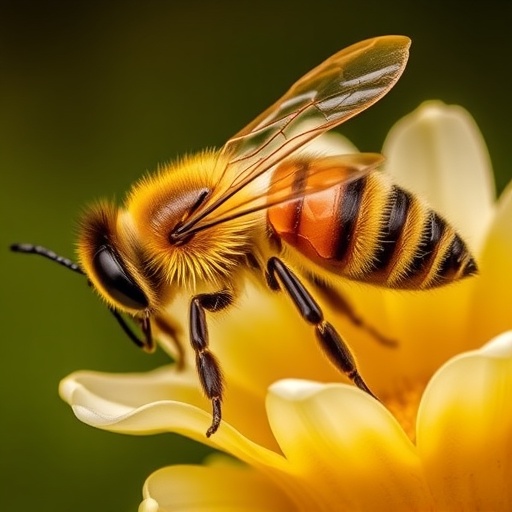
In recent research, the potential applications of honeybee silk have been explored, revealing its remarkable characteristics as a valuable biomaterial. The scientists have meticulously detailed the antioxidant, antimicrobial, and antihyaluronidase properties of this unique material, presenting it as an innovative alternative for various applications in biotechnology and material science. Ascending from the intricate web of relationships in nature, honeybee silk serves not only the bees but also shows promise for human use, emphasizing the symbiotic relationships that exist within ecosystems.
Honeybee silk, known for its unique structural and functional properties, demonstrates promising capabilities that researchers have begun to uncover. The creation of silk by honeybees has always intrigued researchers due to its complex composition, which consists primarily of proteins. The protein structures known as sericin and fibroin are responsible for its exceptional tensile strength and elasticity. These intrinsic properties have made honeybee silk a focal point for studies within the field of sustainable materials. The emerging understanding draws a parallel between natural processes and innovative material design in the industry, merging biological concepts with modern technological endeavors.
The antioxidant properties of honeybee silk are of paramount interest as they indicate a natural capability to combat oxidative stress. This has significant implications for health and wellness industries, where products aimed at preventing cellular damage from free radicals are in high demand. As such, the ability of honeybee silk to neutralize free radicals positions it as a key player in the formulation of health supplements and skincare products. Furthermore, the presence of these antioxidant compounds underscores the importance of integrating natural materials into modern bioproducts, offering a healthier alternative to synthetic options, which may pose long-term health concerns.
In addition to its antioxidant abilities, the antimicrobial characteristics of honeybee silk have garnered considerable attention. The silk’s natural composition suggests inherent properties that can inhibit the growth of harmful pathogens. This quality opens avenues for the exploration of honeybee silk in medical applications, particularly in wound healing and infection prevention. By exploiting these antimicrobial benefits, healthcare professionals can consider innovative solutions to combat antibiotic resistance, aligning with the ongoing global health narrative that highlights the need for more effective and sustainable treatment methods.
The study also emphasizes the antihyaluronidase activity of honeybee silk, which holds promise in cosmetic and therapeutic applications. Hyaluronidase is an enzyme that breaks down hyaluronic acid, a key component in maintaining skin hydration and elasticity. By inhibiting this enzyme, honeybee silk may contribute to maintaining skin integrity, offering a potential natural ingredient for anti-aging products. The escalation in the market for natural cosmetic ingredients spotlights honeybee silk as a viable alternative to chemical-based components, attracting consumers towards more natural and environmentally friendly options.
The microstructural characteristics of honeybee silk have been examined using advanced imaging techniques, revealing intricate details that play a crucial role in its overall functionality. Understanding the microscopic structure provides insight into how the silk’s unique design contributes to its mechanical properties. The research indicates that the arrangement of fibers within the honeybee silk contributes to its resilience and adaptability, characteristics that elevate its status as an innovative biomaterial. This knowledge empowers researchers and manufacturers to tailor honeybee silk for specific applications, ensuring optimal performance in various environments.
The ecological significance of honeybee silk cannot be understated. Bees are pivotal in pollination and maintaining biodiversity; thus, harvesting honeybee silk must be approached sustainably to protect their populations. By promoting ethical sourcing practices, the research not only highlights the material’s applications but also advocates for the preservation of bee habitats. The intersection of conservation and commercialization stands as a testimony to the potential of biomaterials derived from nature, fostering a sustainable ecosystem for future generations.
Additionally, the research identifies potential pathways for integrating honeybee silk into everyday consumer products, enhancing their value through sustainable sourcing. This movement toward bio-based materials signifies a broader trend in industries recognizing the necessity of shifting from traditional synthetic solutions towards more eco-friendly alternatives. The ability to produce high-value biomaterials from naturally occurring substances contributes to a circular economy, minimizing waste while maximizing resource utilization.
The study brings forth crucial discussions surrounding the commercialization of honeybee silk, addressing practical challenges in processing and application. Scaling up production while maintaining quality and sustainability presents a significant hurdle for manufacturers. However, with advancements in biotechnology and material processing techniques, these challenges can be mitigated. Collaborations between researchers, industry leaders, and conservationists are essential in developing responsible frameworks for sustainable production practices.
As the discourse around sustainability continues to evolve, honeybee silk stands at the forefront, bridging the gap between biological processes and human innovation. Its multifunctional characteristics make it an appealing choice for various industries, from healthcare to cosmetics. The natural origins of honeybee silk bolster its position within the growing movement towards sustainable materials, echoing a collective shift in consumer behavior favoring environmentally responsible products.
The implications of this research extend beyond immediate applications; they symbolize the potential for nature-inspired solutions in tackling contemporary challenges. By harnessing the intrinsic properties of biomaterials like honeybee silk, researchers inspire a paradigm shift towards a more sustainable future. This journey fosters optimism that as societies move forward, they will embrace a more harmonious coexistence with the natural world.
In conclusion, honeybee silk emerges not just as a novel biomaterial but as a beacon for sustainable innovation. Its rich biochemical properties present vast opportunities for industries striving to incorporate green solutions within their supply chains. As research continues to unveil the myriad applications and benefits of honeybee silk, it is essential for stakeholders across different sectors to collaborate and promote practices that ensure the sustainable use of this remarkable resource.
The conversation surrounding honeybee silk is not merely an academic pursuit; it embodies a movement towards embracing and valuing the natural world in our quest for progress. By tapping into the wisdom of nature, humanity can innovate responsibly, ensure ecological balance, and thrive while respecting the intricate systems that sustain life on Earth.
Subject of Research: Honeybee Silk as a Biomaterial
Article Title: Honeybee Silk: A Promising Value-Added Biomaterial with Antioxidant, Antimicrobial, Antihyaluronidase, and Microstructural Characteristics
Article References:
Yildiz, O., Değirmenci, A., Boyraci, G.M. et al. Honeybee Silk: A Promising Value-Added Biomaterial with Antioxidant, Antimicrobial, Antihyaluronidase, and Microstructural Characteristics. Waste Biomass Valor (2025). https://doi.org/10.1007/s12649-025-03447-1
Image Credits: AI Generated
DOI: https://doi.org/10.1007/s12649-025-03447-1
Keywords: Honeybee Silk, Biomaterials, Antioxidant, Antimicrobial, Antihyaluronidase, Sustainability, Biotechnology.


