

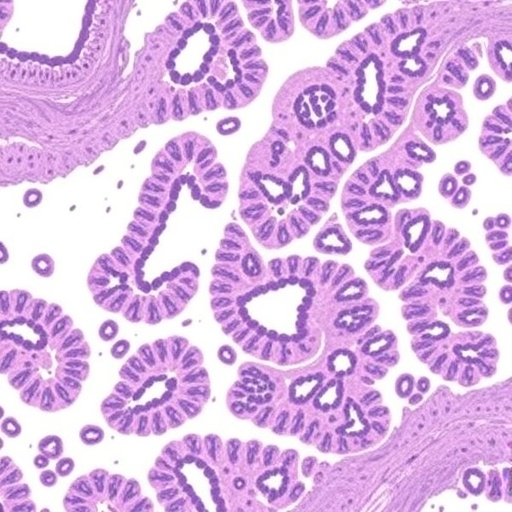
In a groundbreaking advancement for diabetes research, a comprehensive study has meticulously delineated the histopathological landscape of the human pancreas throughout the progression of type 1 diabetes (T1D). This integrated analysis, spearheaded by van der Heide, McArdle, Nelson, and colleagues, offers an unprecedented window into the cellular and molecular transformations that orchestrate this autoimmune disease’s relentless march. Published in Nature Communications in 2026, this research converges multiple histological and immunological techniques, revealing intricate details that refine our understanding of T1D pathogenesis.
The pancreas, a vital organ responsible for both endocrine and exocrine functions, plays a pivotal role in glucose homeostasis. Type 1 diabetes arises from the immune-mediated destruction of insulin-producing beta cells in the islets of Langerhans, leading to chronic hyperglycemia. Previous studies have largely focused on quantifying beta cell loss or isolating immune cell populations in the affected tissue. This new histopathological integration, however, transcends these approaches by mapping the spatiotemporal evolution of pancreatic pathology from pre-symptomatic stages to overt diabetes.
Utilizing advanced multiplex immunostaining and high-resolution imaging modalities, the researchers profiled pancreatic tissue samples from donors at various clinical stages—ranging from autoantibody-positive individuals without hyperglycemia to long-standing T1D patients. This stratification enabled a nuanced exploration of islet architecture, immune infiltration patterns, and microenvironmental alterations. Notably, the study identified distinct phases within disease progression characterized by evolving immune responses and beta cell phenotypes.
Early in the disease timeline, the pancreas exhibits subtle yet significant islet remodeling. Beta cells show signs of functional stress, including irregular insulin granule distribution and increased expression of endoplasmic reticulum stress markers. Importantly, this phase also features an influx of autoreactive CD8+ T cells selectively targeting beta cell epitopes. The interplay between stressed beta cells and infiltrating immune cells appears to set the stage for subsequent tissue destruction, suggesting a feedback loop that amplifies immune-mediated damage.
As the autoimmune assault intensifies, histopathological examination reveals marked insulitis—dense immune cell aggregates infiltrating islets with pronounced cytotoxic activity. This period is characterized by an upregulation of pro-inflammatory cytokines such as IFN-γ and TNF-α within the pancreatic milieu, fostering an environment hostile to beta cell survival. Intriguingly, the study reports heterogeneity among islets, with some demonstrating resilience or partial beta cell regeneration, underscoring the heterogenous nature of T1D pathology.
One of the study’s most salient contributions is its identification of microvascular changes accompanying immune infiltration. Vessel dilation, increased permeability, and leukocyte extravasation collectively facilitate immune cell trafficking into pancreatic tissue. These vascular anomalies also correlate with fibrotic remodeling within the exocrine pancreas, suggesting that T1D progression entails systemic pancreatic remodeling beyond isolated islet destruction. Such findings challenge the classical notion of T1D as a solely endocrine-centric disease.
The researchers extend their analysis to late-stage T1D pancreata, where beta cell mass is profoundly diminished or nearly absent. Residual islets exhibit altered cellular composition, with alpha cells often expanding and assuming atypical roles. This shift may contribute to dysregulated glucagon secretion, exacerbating glucose imbalance in chronic patients. Furthermore, the connective tissue surrounding islets becomes increasingly fibrotic, potentially impeding any endogenous regenerative attempts.
Methodologically, the integration of spatial transcriptomics and proteomics within the histological framework enriches the resolution of the study’s findings. These multi-omics layers illuminate molecular signaling cascades activated during disease progression, including pathways implicated in beta cell apoptosis, immune cell recruitment, and tissue repair. Such comprehensive profiling paves the way for identifying novel therapeutic targets to halt or reverse pancreatic damage early in T1D.
Beyond descriptive pathology, this study emphasizes the dynamic crosstalk between immune cells and the pancreatic microenvironment. The data suggest that non-immune stromal cells, such as fibroblasts and endothelial cells, contribute actively to the inflammatory landscape. Modulating these interactions could open unexplored avenues for immune intervention strategies that preserve islet integrity while tempering autoimmunity.
The translational implications of these findings are profound. By charting a detailed histopathological atlas of T1D progression, the research provides a critical reference for assessing therapeutic efficacy in clinical trials. Immunotherapies, beta cell replacement strategies, and interventions designed to modify the islet niche can now be evaluated against this robust framework, enhancing the precision of treatment outcomes.
Moreover, the identification of early-stage biomarkers embedded within pancreatic tissue offers potential for improving early diagnosis and patient stratification. Detecting subtle histological changes before clinical onset may enable preemptive therapeutic measures, shifting the paradigm from reactive to preventative care in T1D management.
In summary, van der Heide et al.’s integrated histopathological examination synthesizes a complex array of structural, cellular, and molecular data to unravel the multilayered progression of type 1 diabetes within the human pancreas. By highlighting stages of immune infiltration, beta cell stress, vascular changes, and fibrosis, this study reshapes the understanding of T1D from a static end-stage disease model to a dynamic, evolving tissue pathology. This comprehensive insight promises to catalyze innovative research directions and inform therapeutic development targeting the earliest phases of disease.
As this work gains traction, it will undoubtedly spur a renewed focus on developing advanced imaging technologies and tissue analysis methodologies tailored for diabetes research. The capacity to monitor pancreatic histopathology longitudinally in living patients, perhaps through emerging nanotechnologies or molecular imaging probes, represents an aspirational frontier fueled by the foundational findings reported here.
Ultimately, this pivotal research underscores the necessity of interdisciplinary collaboration—melding pathology, immunology, molecular biology, and clinical science—to tackle the complexities of autoimmune diabetes. As the field moves forward, integrating such multidimensional datasets will be essential for decoding the pancreas’s intricate responses to immune attack and charting paths toward durable cures for type 1 diabetes.
Subject of Research:
Integrated histopathological characterization of human pancreatic tissue across stages of type 1 diabetes progression.
Article Title:
Integrated histopathology of the human pancreas throughout stages of type 1 diabetes progression.
Article References:
van der Heide, V., McArdle, S., Nelson, M.S. et al. Integrated histopathology of the human pancreas throughout stages of type 1 diabetes progression. Nat Commun (2026). https://doi.org/10.1038/s41467-026-68610-1
Image Credits: AI Generated


