

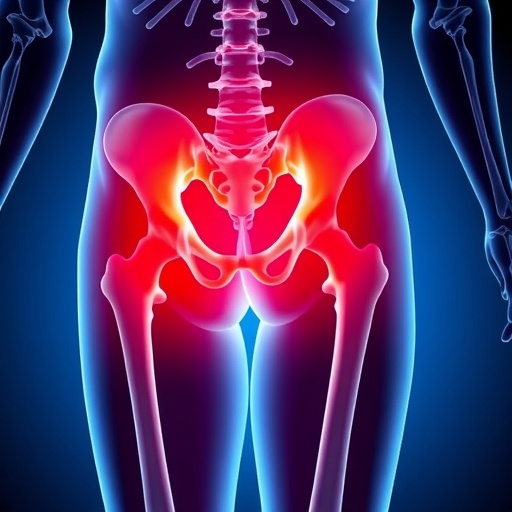
In a groundbreaking multicentre observational study recently published in BMC Geriatrics, researchers have illuminated the complex outcomes of hip fracture surgery among nonagenarians, a demographic that represents one of the fastest-growing age groups globally. This comprehensive investigation, spanning several hospitals across Asia and Oceania, addresses a crucial gap in geriatric surgery literature by providing robust data on survival rates, postoperative complications, and long-term functional recovery in patients aged 90 and above.
Hip fractures in the elderly pose a significant public health challenge, with mortality and morbidity rates remaining alarmingly high despite advances in surgical techniques and perioperative care. The current study’s focus on nonagenarians is particularly timely, as this population segment is increasing rapidly due to improved longevity and demographic shifts. Understanding surgical outcomes in these patients is paramount for informing clinical decision-making, optimizing resource allocation, and ultimately enhancing quality of life.
The authors, Saleh, Shariffuddin, Masri, and their colleagues utilized a multicentre observational design to capture a broad, representative sample reflective of diverse healthcare systems and patient ethnographies within Asia and Oceania. By leveraging real-world data, the study circumvents the selection biases often inherent in randomized controlled trials, offering insights that are immediately applicable to everyday clinical settings. This approach is crucial for elderly patients, whose complex comorbidities and frailty often preclude their inclusion in highly controlled trial environments.
Key findings from this extensive cohort reveal that while hip fracture surgery remains a viable option for nonagenarians, outcomes vary widely depending on preoperative health status, surgical timing, anesthesia methods, and postoperative care modalities. The data indicate a pronounced vulnerability to complications such as pneumonia, delirium, and thromboembolic events, which significantly impact recovery trajectories and survival probabilities. Importantly, the study underscores the necessity of multidisciplinary care pathways tailored specifically to this advanced age group.
Delving into the technical aspects, the researchers employed standardized protocols for assessing frailty and comorbidities pre-surgery, integrating indices such as the Charlson Comorbidity Index and modified frailty scales. This meticulous patient stratification enables more nuanced risk assessment and prognostication. Additionally, surgical intervention types ranged from internal fixation to hemiarthroplasty, with anesthesia techniques including spinal and general anesthesia, providing a comprehensive overview of current practices and their respective outcomes.
One of the study’s most compelling revelations pertains to the timing of surgical intervention. Early surgery, defined as within 48 hours of hospital admission, was associated with improved survival rates and reduced hospital stays, corroborating existing literature but now explicitly validated within this very elderly population. Delay beyond this window showed a consistent increase in adverse events, emphasizing an urgent need to streamline perioperative workflows in geriatric trauma care.
Postoperative management emerged as another critical determinant of outcome. The integration of geriatricians into surgical teams, alongside physiotherapists and nutritionists, proved beneficial in improving functional recovery and minimizing complications. Pain management protocols tailored for the elderly, often complicated by polypharmacy and cognitive impairment, require further refinement based on these findings to optimize efficacy and safety.
The study also sheds light on long-term outcomes, tracking patients up to one year post-surgery. Although mortality remains elevated compared to younger cohorts, a significant proportion of nonagenarians regained pre-fracture mobility levels, highlighting the potential for meaningful recovery even in very advanced age. This challenges pervasive nihilistic attitudes around aggressive treatment of hip fractures in the oldest old and advocates for individualized care plans balancing risks and benefits.
From a health systems perspective, the research highlights disparities in surgical outcomes linked to regional differences in healthcare infrastructure and resource availability. Hospitals with dedicated orthogeriatric units and established hip fracture pathways reported superior outcomes, underscoring the value of specialized care frameworks. These findings advocate for policy reforms aimed at standardizing care protocols across Asia-Oceania to reduce geographic variability in patient outcomes.
Moreover, the study’s robust dataset offers fertile ground for future research into predictive analytics and machine learning applications in geriatric trauma surgery. Tailoring interventions using big data insights holds promise for further enhancing prognostic accuracy and personalizing care in a demographic traditionally underrepresented in medical research. The authors encourage ongoing collaboration across centers to build on this foundation.
Scientific communication surrounding this study has already garnered considerable attention within geriatric and orthopedic communities. Its implications extend beyond surgery to encompass broader themes in aging research, emphasizing the intersectionality of trauma care, geriatrics, anesthesia, and rehabilitation. As global populations age, such integrative approaches will become indispensable in delivering compassionate, evidence-based care.
In summary, this landmark investigation offers compelling evidence that hip fracture surgery in nonagenarians is not only feasible but can yield meaningful survival and functional outcomes when supported by timely intervention and comprehensive, multidisciplinary care. It challenges clinicians and policymakers alike to rethink age-related limitations and to advocate for healthcare models that accommodate the unique needs of the oldest patients. This paradigm shift holds profound implications for global aging societies wrestling with the increasing burden of fragility fractures.
The richness of the study’s methodology and its real-world applicability render it a seminal reference for future clinical guidelines and healthcare policy formulation. By demonstrating that age alone should not preclude surgical intervention, the research fosters a nuanced discourse on the ethics and economics of elderly care. Ultimately, this work illuminates a hopeful pathway forward in geriatric orthopedics, one grounded in precision, compassion, and scientific rigor.
As the demographic landscape continues to evolve, tools and protocols identified through this research will be pivotal in shaping both surgical education and clinical practice. Training programs can incorporate these data to better prepare surgeons and interdisciplinary teams for the distinct challenges presented by nonagenarian patients. Meanwhile, future investigations can expand upon these findings by exploring biomarker-driven risk stratification and gene-environment interactions influencing recovery.
The study’s authors advocate for the establishment of international registries tracking hip fracture outcomes across varying age groups and health systems. Such collaborative ventures could accelerate the dissemination of best practices and support dynamic policy adjustments responsive to emerging evidence. In the context of rapidly aging societies, harnessing cross-border data signifies a forward-looking strategy to enhance geriatric surgical care worldwide.
Ultimately, this research shines a spotlight on a vulnerable, often overlooked patient population, underscoring their resilience and potential for recovery in the face of significant health adversity. It invites the medical community to transcend ageist biases and to embrace an era of tailored geriatric care that respects individual capabilities and circumstances. The promise of improved outcomes for nonagenarians with hip fractures reflects broader themes at the heart of modern medicine: personalized care, evidence-driven intervention, and interdisciplinary collaboration.
Subject of Research: Outcomes of hip fracture surgery in nonagenarian patients across Asia-Oceania.
Article Title: Outcomes of nonagenarians undergoing hip fracture surgery: a multicentre observational study across Asia-Oceania.
Article References:
Saleh, S., Shariffuddin, I.I., Masri, S.N.N.S. et al. Outcomes of nonagenarians undergoing hip fracture surgery: a multicentre observational study across Asia-Oceana.
BMC Geriatr (2026). https://doi.org/10.1186/s12877-026-07157-8
Image Credits: AI Generated


