

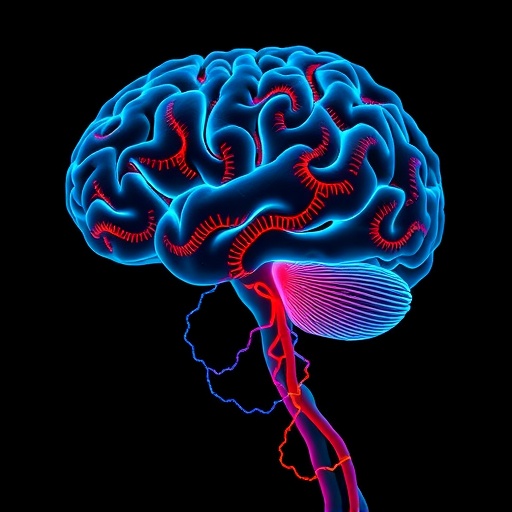
In a groundbreaking study poised to transform our understanding of depression-associated cognitive decline, researchers have harnessed advanced computational biology to expose the pivotal roles of HIF-1 and FoxO signaling pathways. This innovative research, recently published in Translational Psychiatry, unravels the complex molecular machinery that underpins cognitive impairment in depressive disorders, offering promising new avenues for targeted therapeutic interventions.
Cognitive deficits in depression, ranging from impaired memory to reduced executive functioning, have long been recognized but remain poorly understood at the molecular level. The study’s authors, led by Zhuo, C., Zhang, Y., and Zhang, Q., employed sophisticated computational methods to dissect massive biological datasets, elucidating how disruptions in intracellular signaling networks contribute to these debilitating cognitive symptoms. Their integrative approach marks a significant departure from traditional experimental techniques, spotlighting computational biology’s power to decode multifaceted brain disorders.
Central to their findings is the hypoxia-inducible factor 1 (HIF-1) pathway, a well-known molecular sensor that orchestrates cellular responses to oxygen deprivation. In the brain, HIF-1’s regulatory functions extend beyond hypoxia, influencing neuroplasticity and metabolic adaptation. The study reveals that aberrant activity in HIF-1 signaling can exacerbate neuronal vulnerability and synaptic dysfunction, heightening cognitive deficits observed in depression. This offers a compelling link between cellular oxygen homeostasis and mood disorders’ cognitive manifestations.
Concurrently, the researchers highlighted the forkhead box O (FoxO) family of transcription factors, which governs oxidative stress responses, apoptosis, and longevity-related pathways. FoxO proteins emerge as key regulators in maintaining neuronal health by modulating genes involved in antioxidant defense and protein homeostasis. Disruption of FoxO signaling, as delineated by the study, precipitates neuronal damage, impairing cognitive faculties in affected individuals with depression. This dual-pathway insight paves the way for exploring neuroprotective strategies that restore FoxO-mediated functions.
The investigation employed an integrative computational framework combining high-throughput gene expression data, protein-protein interaction networks, and pathway enrichment analyses. Leveraging machine learning techniques, the team identified gene signatures and molecular hubs linking HIF-1 and FoxO pathways to synaptic plasticity alterations. This network-centric perspective enhances our mechanistic understanding of how distinct signaling cascades converge to disrupt cognitive processes, circumventing limitations of isolated gene studies.
Significantly, the cross-talk between HIF-1 and FoxO pathways emerges as a critical node in the pathophysiology of depression-related cognitive impairment. This interaction orchestrates a delicate balance between survival and apoptotic signals in neurons exposed to chronic stress and neuroinflammatory insults. By mapping these intricate signaling dynamics, the study delineates how impaired regulatory feedback loops contribute to progressive cognitive decline, presenting novel therapeutic targets to restore neural resilience.
Beyond unraveling molecular pathogenesis, the study’s computational approach offers a blueprint for precision medicine applications. Identification of patient-specific molecular profiles associated with altered HIF-1 and FoxO signaling may facilitate personalized interventions, optimizing treatment efficacy and minimizing adverse effects. Future clinical trials incorporating pathway modulation could revolutionize management of cognitive symptoms in depression, traditionally refractory to standard antidepressants.
Moreover, this research underscores the broader implications of metabolic and oxidative stress dysregulation in neuropsychiatric disorders. By situating depression-associated cognitive impairment within the context of cellular bioenergetics and stress response pathways, the findings bridge gaps between psychiatry, neurology, and molecular biology. This interdisciplinary convergence is vital for devising holistic treatment paradigms addressing both emotional and cognitive dimensions of depression.
The study further illuminates the potential utility of pharmacological agents targeting HIF-1 and FoxO pathways. Existing compounds modulating these signaling cascades in oncology and neurodegeneration could be repurposed or refined for depressive cognitive dysfunction. Additionally, lifestyle interventions enhancing oxidative stress resilience, such as exercise and dietary modulation, might complement therapeutic strategies centered on these molecular mechanisms.
Importantly, the researchers acknowledge limitations inherent in computational modeling, including the need for empirical validation in clinical cohorts and animal models. Nonetheless, their integrative bioinformatics platform establishes a robust foundation for experimental follow-up studies, potentially accelerating the translation of molecular discoveries into clinical practice. Collaborative research efforts will be essential to harness the therapeutic promise unveiled by these signaling insights.
This work exemplifies the transformative potential of computational biology in psychiatric research, a field historically challenged by heterogeneity and complexity. By leveraging big data analytics and systems biology, the study transcends traditional hypothesis-driven paradigms, enabling data-driven discovery of disease mechanisms. Such innovative methodologies are crucial for deciphering the multifactorial etiology of depression and its cognitive sequelae.
As cognitive impairment increasingly gains recognition as a critical determinant of functional outcomes in depression, elucidating its molecular underpinnings is an urgent priority. The identification of HIF-1 and FoxO signaling disruptions not only advances theoretical knowledge but also holds tangible promise for improving quality of life in millions affected worldwide. Future therapeutic developments grounded in these findings could mitigate cognitive decline, fostering recovery and societal reintegration.
In conclusion, this pioneering computational biological analysis marks a watershed moment in depression research by spotlighting HIF-1 and FoxO pathways as influential mediators of cognitive dysfunction. The study ushers in a new era of mechanistic exploration and targeted treatment strategies, setting the stage for breakthroughs in managing the cognitive dimensions of depressive disorders. Continued interdisciplinary efforts integrating computational modeling, molecular neuroscience, and clinical investigation will be key to realizing this transformative potential.
Subject of Research: Cognitive impairment mechanisms in depression through molecular signaling pathways.
Article Title: Computational biological analysis reveals that HIF-1 and FoxO signaling pathways influence cognitive impairment in patients with depression.
Article References:
Zhuo, C., Zhang, Y., Zhang, Q. et al. Computational biological analysis reveals that HIF-1 and FoxO signaling pathways influence cognitive impairment in patients with depression. Transl Psychiatry (2025). https://doi.org/10.1038/s41398-025-03775-9
Image Credits: AI Generated


