

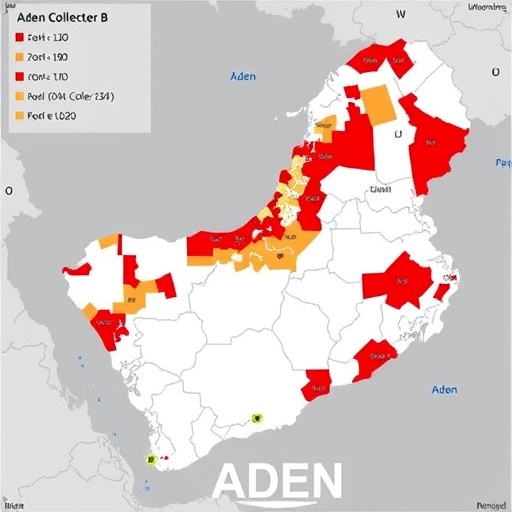
In a significant and timely study, Gubran et al. (2026) have revealed troubling insights into the health risks faced by municipal waste collectors in Aden, Yemen, particularly regarding the sero-prevalence of hepatitis B virus (HBV) infection. This comprehensive investigation sheds light on an often-overlooked population that plays a crucial role in urban sanitation, yet is disproportionately exposed to infectious diseases as a result of their occupational hazards.
The research highlights the pressing need for public health awareness and intervention, particularly in regions where health resources are scarce. Municipal waste collectors operate under conditions that put them at an elevated risk for various infections, including HBV, due to their frequent handling of potentially contaminated waste materials. The findings of this study are particularly alarming as they underscore a critical gap in occupational health measures in the waste management sector in Yemen.
The methodology employed by Gubran and colleagues involved a cross-sectional study design, where blood samples were collected from municipal waste collectors in Aden. Serological testing was performed to determine the presence of HBV surface antigens, which indicates an active infection. The results not only reveal the prevalence rates but also offer insights into demographic factors such as age, years of service, and previous vaccination status, which contribute to the understanding of HBV transmission dynamics within this high-risk population.
A concerning aspect of the study was the comparison of sero-prevalence rates among various demographic groups. The data collected revealed that certain age groups and those with longer tenures in waste collection exhibited higher infection rates. This correlation calls for targeted health interventions that address the unique vulnerabilities faced by these workers, especially considering that many might be unaware of their infection status due to limited access to healthcare services and screening programs.
Furthermore, the study emphasizes the necessity for integrating vaccination programs against hepatitis B within occupational health frameworks for waste collectors. Many countries have successful models of such interventions, and adopting these best practices could significantly reduce the prevalence of HBV in at-risk populations like the municipal waste collectors in Yemen. The potential for a systematic vaccination method or routine screening protocols could drastically improve health outcomes for these essential workers, who are otherwise overlooked within public health discussions.
In light of the sociopolitical and economic contexts in Yemen, the challenges surrounding public health initiatives are manifold. The ongoing conflict and instability in the region exacerbate the difficulties in implementing comprehensive health coverage. Thus, efforts to address the infection rates among waste collectors must be accompanied by broader systemic reforms that improve overall healthcare access and resource allocation.
The community impact of this study cannot be understated. Civilians often do not recognize the health implications of poor waste management practices, overlooking the connection between public health and waste collection efforts. As this study reveals, enhancing the safety and health of waste workers directly contributes to the welfare of the wider community by reducing the risk of disease spread linked to environmental exposure.
Moreover, the study contributes to the existing body of knowledge about occupational health in low-income countries, providing a valuable reference point for similar future research. The implication of this study extends beyond Aden, hinting at a global issue concerning the health of waste management workers. It emphasizes the need for international collaboration and knowledge exchange to ameliorate the conditions faced by these essential laborers worldwide.
Stakeholders, including local governments, NGOs, and health organizations, can utilize the findings to advocate for improved working conditions, better safety protocols, and health education for waste collectors. Long-term strategies must focus on creating awareness, providing training, and ensuring that waste collectors understand the risks associated with their jobs and the preventive measures they can adopt.
The authors of this study intend to catalyze a conversation around the urgent need for better health policies that protect vulnerable populations engaged in hazardous work. By focusing on the sero-prevalence of hepatitis B among waste collectors, this research draws attention to an urgent public health challenge while advocating for interventions that uphold the rights and health of workers, consistent with global health goals.
In conclusion, the sero-prevalence of hepatitis B virus infections among municipal waste collectors in Aden showcases not only a public health crisis but also an opportunity for targeted intervention and improvement. The findings call for immediate action to promote occupational health measures and raise awareness about hepatitis B among vulnerable populations. It highlights that the health of workers in such essential roles is integral to public health and community well-being as a whole.
Subject of Research: Sero-prevalence of hepatitis B virus infection among municipal waste collectors
Article Title: Sero-prevalence of hepatitis B virus infection among the municipal waste collectors in Aden, Yemen.
Article References:
Gubran, A.N., Waleed, H., Mohammed, H.A.A. et al. Sero-prevalence of hepatitis B virus infection among the municipal waste collectors in Aden, Yemen.
Int Microbiol (2026). https://doi.org/10.1007/s10123-025-00771-3
Image Credits: AI Generated
DOI:
Keywords: hepatitis B virus, municipal waste collectors, Aden, Yemen, sero-prevalence, public health, occupational health, vaccination, infection control.


