

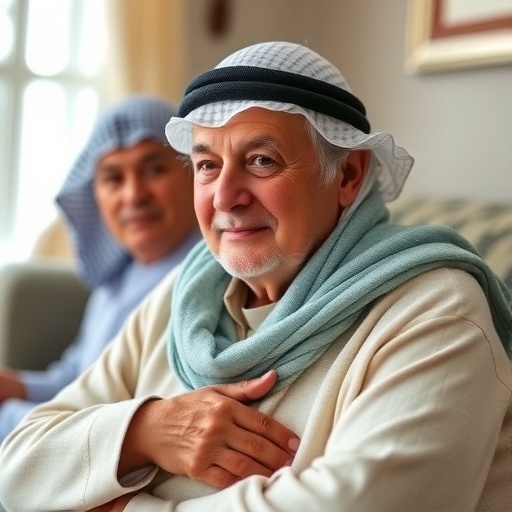
In recent years, the subject of healthy ageing has captured the attention of researchers and policymakers worldwide, as the global population ages at an unprecedented rate. A groundbreaking study conducted in Tabuk, Saudi Arabia, now sheds light on the intricate web of factors that influence the quality of life among older adults in this unique region. Published in 2026 in the esteemed journal BMC Geriatrics, the research conducted by Alatawi, Aljadrawi, Aljohani, and colleagues dives deep into the social, physiological, and environmental determinants that shape the lived experience of ageing. This investigation highlights the critical need for culturally sensitive, evidence-based strategies aimed at promoting health and well-being for the elderly population.
The demographic shift toward an aging society places increased emphasis on understanding not just life expectancy, but quality of life (QoL) as a multidimensional construct. QoL encompasses physical health, psychological state, level of independence, social relationships, and environmental context. The Saudi Arabian cohort studied provides an essential perspective due to the region’s distinct sociocultural dynamics, including family structures, healthcare accessibility, and lifestyle patterns that are often underrepresented in global research. This study leverages both quantitative data and qualitative analysis to assess the interplay of these factors through a comprehensive framework.
One of the most compelling findings from this investigation is the critical role played by social support networks in enhancing quality of life among older adults. Family connectivity, community engagement, and perceived social inclusion emerged as potent predictors of psychological well-being and physical health. In Tabuk, where extended family systems remain prevalent, these social bonds act as a protective factor against isolation-related morbidities such as depression and cognitive decline. The data suggest that strengthening social infrastructure and intergenerational ties could be instrumental in fostering resilience and longevity.
Physiological health status, including the presence of chronic diseases, mobility limitations, and sensory impairments, was thoroughly analyzed in relation to QoL scores. The researchers documented a significant inverse correlation between the severity of chronic illnesses and the perceived quality of life. Conditions such as diabetes, hypertension, and osteoarthritis, which are highly prevalent in Saudi populations, contribute substantially to functional decline and dependency. However, the study also emphasized that proper management of these conditions, through medical intervention and lifestyle modification, can mitigate negative outcomes and preserve autonomy in ageing individuals.
Mental health emerged as a pivotal domain affecting overall quality of life. Psychological distress, anxiety, and depressive symptoms were found to be prevalent among older adults, with nuanced variations related to gender, educational attainment, and economic status. This aspect underscores the necessity for integrated mental health services as part of geriatric care frameworks. The researchers advocate for culturally tailored mental health programs that address stigma and barriers to seeking help, thereby improving QoL through enhanced emotional support and coping mechanisms.
Environmental factors, encompassing living conditions, urban design, and accessibility to healthcare facilities, were another focus of the study. The geographic and infrastructural characteristics of Tabuk were studied to determine their effect on mobility and independence. The analysis revealed that those residing in areas with better transportation options, green spaces, and healthcare access reported superior quality of life. This highlights the importance of policy interventions aimed at urban and regional planning that prioritizes elder-friendly environments to promote active ageing.
Nutrition and physical activity were also examined due to their well-documented influence on healthy ageing. The participants’ dietary habits and exercise routines were correlated with functional capacity and QoL indices. It was observed that those who maintained balanced nutrition and engaged in regular physical activity had significantly better health outcomes, including reduced frailty and enhanced mental acuity. The findings promote the incorporation of community-based health promotion programs focused on nutrition education and physical fitness tailored to older populations.
The intersectionality of gender and ageing emerged as another critical consideration in the research. The study found differential impacts on QoL between male and female participants, linked to variations in social roles, health behaviors, and access to resources. Women, in particular, reported lower QoL scores in certain domains, which may be related to sociocultural factors affecting their mobility and autonomy. This highlights a pressing need for gender-sensitive approaches in health and social care policies, ensuring equitable support and opportunities for all elders.
Education and socioeconomic status proved to be significant determinants of quality of life. Higher educational attainment was associated with better health literacy, facilitating improved self-management of chronic conditions and utilization of healthcare services. Conversely, lower socioeconomic brackets were linked with increased risk factors for poor health and limited access to social and healthcare resources. The study calls for targeted initiatives to alleviate disparities by expanding educational opportunities and economic security for the ageing population.
Technological engagement and digital literacy are rapidly becoming influential processes shaping the ageing experience. While this element was not the primary focus of the study, preliminary observations suggest that older adults adept at using digital tools were more likely to access health information, telemedicine services, and social networks. This dimension holds promising potential for enhancing QoL through tech-enabled interventions, particularly in remote or underserved communities within Tabuk and beyond.
Cultural attitudes towards ageing and eldercare played an intrinsic role in the study’s contextual analysis. In Tabuk, traditional values emphasize family responsibility for elderly care, which impacts how older adults perceive their societal roles and dignity. The researchers underscore how cultural frameworks both support and constrain ageing experiences, advocating for a balanced integration of tradition and modern health practices to optimize ageing outcomes.
A novel methodological approach utilized in this study was the application of advanced statistical modeling to identify the relative weight of each factor influencing QoL. Structural equation modeling allowed for the elucidation of complex, bidirectional relationships among psychosocial, health, and environmental variables. This analytic rigor provides robust evidence to inform targeted interventions and resource allocation in geriatric healthcare planning.
With longevity steadily increasing worldwide, the implications of this study extend far beyond Saudi Arabia’s borders. The findings contribute to the global discourse on ageing populations by demonstrating how localized social and environmental contexts shape health trajectories. Importantly, the study sets a precedent for culturally contextualized research methodologies that honor regional diversity while striving for universal principles of healthy ageing.
In summary, this comprehensive investigation into the quality of life among older adults in Tabuk, Saudi Arabia, presents an integrated model of healthy ageing that encompasses physical health, psychosocial well-being, environmental design, and cultural dimensions. These insights are critical for healthcare professionals, policymakers, and community leaders working to elevate the standards of eldercare. By focusing on multifaceted, culturally aware strategies, there is a tangible pathway towards enhancing the quality of life for the ageing population in Tabuk and similar regions.
The research underscores the urgency for coordinated efforts across multiple sectors, including healthcare, social services, urban planning, and education to address the diverse needs of older adults. Investments in these areas are not merely ethical imperatives but also practical necessities to manage the socioeconomic challenges posed by increased longevity. The study by Alatawi and colleagues provides a timely and scientifically rigorous foundation upon which to build future ageing-friendly frameworks both regionally and globally.
As science continues to unravel the complexities of ageing, studies such as this pioneer the translation of empirical data into actionable policy and practice. The hope is that by embracing a holistic understanding of quality of life, societies can foster environments where ageing individuals not only live longer but thrive with purpose, dignity, and fulfillment.
Subject of Research:
Article Title:
Article References:
Alatawi, R., Aljadrawi, S., Aljohani, Y. et al. Healthy ageing and quality of life: exploring factors associated with quality of life among older adults in Tabuk, Saudi Arabia. BMC Geriatr (2026). https://doi.org/10.1186/s12877-026-07421-x
Image Credits: AI Generated
DOI: 10.1186/s12877-026-07421-x
Keywords: healthy ageing, quality of life, older adults, Saudi Arabia, geriatric health, chronic diseases, mental health, social support, environmental factors, gender disparities, socioeconomic status


