

The quest to transform carbon dioxide (CO₂) into valuable chemicals and fuels through electrochemical reduction is rapidly gaining momentum as a key strategy in the global effort to mitigate climate change. CO₂ electroreduction (CO₂E) harnesses electricity, often from renewable sources, to drive chemical reactions that convert the greenhouse gas into useful commodities, potentially closing the carbon loop and generating sustainable fuel alternatives. However, while impressive laboratory advancements have propelled this field forward, moving beyond bench-scale prototypes toward viable industrial applications poses significant challenges. Central to overcoming these barriers is the need for rigorous testing standards, transparent performance metrics, and collaborative frameworks that can bridge innovation gaps and accelerate technology maturation.
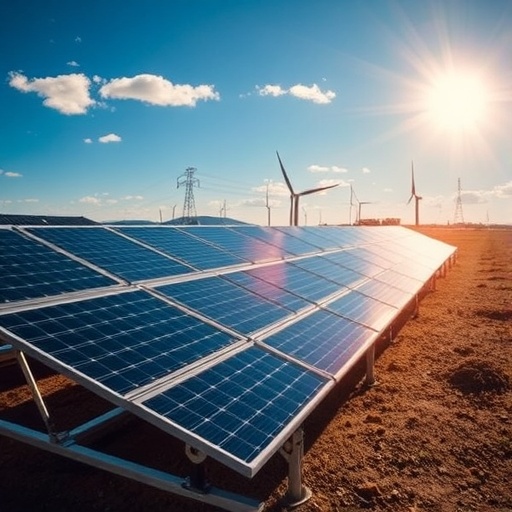
Drawing inspiration from photovoltaics (PV), a technology that revolutionized energy production by achieving grid parity and massive scale, researchers are advocating for a paradigm shift in how CO₂E technologies are assessed and certified. PV’s transition from niche research to ubiquitous industrial deployment was propelled by standardized testing conditions, widely accepted certification protocols, and clear benchmarks such as the levelized cost of electricity. By establishing analogous frameworks tailored specifically to the nuances of CO₂E, the community hopes to foster greater confidence among investors, policymakers, and manufacturers, ultimately catalyzing industrial-scale adoption.
Yet, CO₂ electroreduction presents unique complexities that distinguish it from photovoltaics, rendering certain standardization efforts more intricate. Unlike PV, which primarily converts sunlight into electricity, CO₂E deals with multifaceted chemical pathways involving diverse feedstocks and a spectrum of potential products, ranging from simple molecules like carbon monoxide to complex hydrocarbons and alcohols. This chemical diversity complicates the task of setting universal benchmarks for efficiency and performance. Additionally, feedstock purity, electrolyzer configurations, catalyst longevity, and product separation protocols each impart variable influences on reported metrics, often resulting in inconsistent data across different laboratories.
Amidst this complexity, developing a consistent set of testing conditions emerges as a foundational step. Researchers emphasize the importance of defining standardized feedstocks with clear compositional parameters, establishing reproducible cell configurations, and employing uniform analytical approaches for product quantification. Such harmonization would enable apples-to-apples comparisons of catalyst performance and system durability, reducing discrepancies that currently plague the literature and hamper technology evaluation. Moreover, third-party accreditation bodies equipped with objective certification frameworks are seen as critical facilitators for translating academic results into credible, industrially relevant data.
Economic viability further underscores the urgency of these efforts. While breakthroughs in catalyst design and reactor engineering have improved energy efficiency and selectivity, the overall levelized cost of CO₂-derived chemicals remains substantially higher than fossil-derived counterparts. Capital expenditures and device longevity must be optimized to close this gap. Here, robust certification mechanisms will enable transparent life-cycle assessments and cost analyses, providing stakeholders with trustworthy information to guide investment decisions. By quantifying technological maturity through standardized testing and certification, the field can set realistic goals for scaling and identify promising pathways for cost reduction.
Intersectoral partnerships represent another strategic lever to propel CO₂E from laboratory curiosity toward industrial relevance. Collaborative networks spanning academia, government agencies, industry players, and financial institutions can pool expertise and resources, fostering innovation ecosystems that balance scientific rigor with commercial imperatives. Lessons from the photovoltaic sector highlight how coordinated efforts across supply chains, manufacturing infrastructures, and policy frameworks can accelerate technology diffusion. For CO₂E, integrating knowledge from adjacent domains such as chemical engineering, materials science, and renewable energy policy will be crucial for surmounting deployment challenges.
Importantly, the authors caution against direct replication of photovoltaic standardization models, noting that the chemical complexity and operational variability of CO₂E necessitate bespoke protocols. For instance, while PV benefits from relatively stable input (sunlight) and output (electricity) characteristics, CO₂E systems must contend with dynamic feedstock compositions and multiple product streams, each with distinct economic values and processing requirements. This multivariate landscape demands flexible yet robust testing methods that can capture real-world performance across diverse conditions.
Achieving this balance between standardization and adaptability will require iterative validation cycles and open data sharing to converge on consensus methodologies. Digital platforms enabling transparent dissemination of experimental protocols, raw data, and performance metrics can also catalyze this harmonization process. Furthermore, leveraging machine learning and automation tools could facilitate rapid screening under controlled conditions, generating comprehensive datasets that inform the development of predictive models and optimization strategies.
As the field matures, there is growing recognition that beyond technical performance, social acceptance and policy support will be pivotal to realizing the full potential of CO₂ electroreduction. Clear, verifiable performance claims derived from accredited testing can empower regulatory bodies to design incentive schemes and carbon pricing mechanisms aligned with real-world capabilities. In parallel, public-private partnerships will help establish infrastructure for large-scale deployment, including CO₂ supply chains and renewable electricity integration.
In sum, the transition of CO₂ electroreduction from promising laboratory science to a cornerstone of the low-carbon economy hinges on the establishment of standardized testing frameworks, third-party certification, and cross-sector collaboration. Learning from the transformative journey of photovoltaics, researchers advocate for transparent, consistent, and community-endorsed metrics that can provide investors and industry with the confidence needed to scale up production. While the chemical complexity of CO₂E introduces unique challenges, embracing these complexities through tailored standardization initiatives will pave the way for accelerated innovation and industrial readiness.
The future of CO₂ electroreduction envisages a landscape where renewable electricity is seamlessly converted into a spectrum of carbon-neutral chemicals and fuels, playing a vital role in decarbonizing sectors from transportation to manufacturing. By focusing collective efforts on quantifying technological maturity and fostering open collaboration, the community stands poised to unlock breakthrough innovations and drive sustainable economic transformations. This strategic convergence of science, engineering, and policy offers an inspiring blueprint for how emergent clean technologies can achieve global impact.
As this field progresses, transformative advances in catalyst design, reactor architecture, and system integration will continue to push the boundaries of efficiency and durability. Complementary developments in real-time diagnostic tools and operando measurement techniques will deepen mechanistic understanding, informing rational design choices. Together with the infrastructural and regulatory groundwork enabled by robust standardization, these scientific breakthroughs will usher CO₂ electroreduction into the industrial spotlight, where it can contribute meaningfully to climate mitigation efforts.
The coming decade promises to be a defining period for CO₂ electroreduction technology, contingent on the community’s ability to embrace rigorous validation practices and foster interdisciplinary collaboration. By building on the photovoltaic experience and addressing the unique intricacies of electrochemical CO₂ conversion, stakeholders can expedite the journey from laboratory prototypes to commercially viable systems. In doing so, this technology will transform how societies manage carbon, turning a global environmental challenge into an economic opportunity and cornerstone of a sustainable energy future.
Subject of Research: Technologies and strategies to advance industrial-scale electrochemical reduction of carbon dioxide into valuable chemicals and fuels, focusing on lessons learned from photovoltaics to guide testing standardization, certification, and commercialization.
Article Title: Translating insights from progress in photovoltaics to accelerate industrial-scale CO₂ electroreduction.
Article References:
Choi, D., Kim, J., Jaffer, S. et al. Translating insights from progress in photovoltaics to accelerate industrial-scale CO₂ electroreduction. Nat Energy (2026). https://doi.org/10.1038/s41560-025-01953-z
Image Credits: AI Generated


