

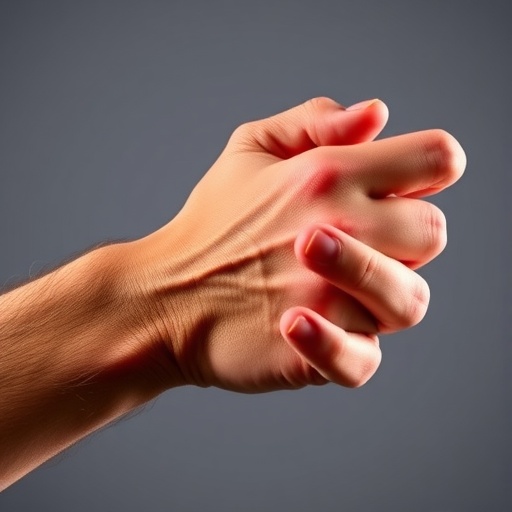
In a groundbreaking study published in the prestigious journal Ageing International, researchers have spotlighted a concerning link between physical frailty and cognitive impairment, specifically emphasizing the role of handgrip strength as a significant predictor. This complex interplay between physical and cognitive health reveals a depth of understanding about aging that has profound implications for public health and individual well-being. The findings come from the Longitudinal Aging Study in India (LASI), which serves as a critical foundation for understanding health trajectories in older adults.
The LASI Wave 1 data collected between 2017 and 2018 provided insights into a cohort faced with the realities of aging, and how physical strength can have cascading effects on cognitive functions. The investigators—Kaur, Shimrah, and Chandel—delved into the intricate mechanisms linking diminished handgrip strength to cognitive decline, prompting essential conversations about the significance of physical health in older populations. This aspect of the study reinforces the multifaceted nature of aging, where physical and mental health are intertwined more closely than previously acknowledged.
Physical frailty has often been characterized through various dimensions, primarily focusing on loss of strength and endurance. Handgrip strength, a simple yet reliable measure, serves as a valuable biomarker for assessing overall physical condition in older adults. It encapsulates muscular strength, which plays a defensive role against age-related degeneration. As the study suggests, reduced handgrip strength is not merely a matter of physical capability; it is a harbinger of cognitive decline, suggesting that our physical and mental faculties cannot be viewed in isolation.
The implications of this study extend beyond academic curiosity; they challenge current public health approaches that traditionally address physical and cognitive health separately. The frailty of an individual can manifest through various symptoms, encompassing both physical limitations and cognitive challenges. This interconnectedness calls for a more integrated approach to healthcare, prioritizing interventions that target both physical strength enhancement and cognitive support, potentially alleviating the burdens associated with aging.
Moreover, the rise of populations aged 60 and over underscores the urgency of understanding these dynamics fully. With a growing number of older adults worldwide, the potential for a pandemic of frailty and cognitive impairment looms large. As policymakers and healthcare providers grapple with the challenges posed by aging populations, studies like this one provide compelling empirical evidence to advocate for coordinated strategies that incorporate exercise programs aimed at improving handgrip strength, alongside cognitive training initiatives focusing on preserving mental acuity.
Physical activity, particularly resistance training, emerges as a critical intervention highlighted by the research. Regularly engaging in exercises that strengthen handgrip—like weightlifting or resistance band usage—not only augments physical resilience but can also serve as a protective mechanism against cognitive degradation. By incorporating such activities into daily routines, older adults may improve their overall health outcomes and cognitive status, fostering a more active, fulfilling life in their twilight years.
Moreover, this revelation has implications for caregivers and family members of older adults. Understanding that physical frailty can lead to cognitive challenges empowers families to foster environments that encourage physical activity and social engagement. Approaches that encourage older adults to partake in light resistance exercises, combined with social activities, could prove invaluable in enhancing both their physical capability and cognitive functions.
However, the findings pose essential questions regarding the measurement and monitoring of handgrip strength in clinical settings. Healthcare professionals must consider regular assessments of handgrip strength among older patients as part of routine check-ups. This measure could act as an early warning system, alerting health practitioners to potential declines in cognitive functions before they become severe. Implementing simple strength tests could be a game-changer in preventative healthcare among aging populations.
In understanding handgrip strength as a potential predictor of cognitive health, researchers also opened avenues for future explorations into the physiological links between muscle health and brain function. Ongoing studies might investigate how improving physical fitness can create biochemical changes conducive to enhancing cognitive functions. The relationship between muscle mass, circulatory health, and cognitive resilience could provide pathways for therapeutic innovations targeting both frailty and cognitive impairment.
As we further dissect the contributions of this study, the role of socio-environmental factors cannot be overlooked. The LASI dataset presents opportunities to analyze how factors such as nutrition, access to physical activity resources, and social support systems can influence frailty and cognitive outcomes in older adults. By adopting a broader view that integrates socioeconomic status and community structures, future research can yield more comprehensive strategies to support aging populations.
In conclusion, the findings from Kaur, Shimrah, and Chandel’s study underscore a critical intersection between physical frailty and cognitive health. The evidence supporting handgrip strength as a meaningful marker for cognitive decline presents an urgent call to action for public health initiatives aimed at the older demographic. Interventions that champion strength training and physical activity not only uplift physical health but also offer vital support for preserving cognitive agility. As aging concerns escalate globally, embracing the insights from this research will be pivotal in shaping responsive healthcare frameworks that protect and empower older adults.
This study is not merely about numbers; it is about lives. Each statistic represents an elder grappling with the inevitable changes that aging brings. In fostering strength, we nurture the mind, and in doing so, we honor the dignity of every individual as they navigate the journey of aging.
By melding the realms of strength and cognition in our understanding of aging, we may unlock pathways to more vibrant, empowered lives for older adults, thus paving the way for a future where aging is not synonymous with decline but rather with opportunity and vitality.
Subject of Research: The Relationship Between Handgrip Strength and Cognitive Impairment in Older Adults
Article Title: Handgrip Strength, a Component of Physical Frailty Contributing Significantly To Cognitive Impairment: Evidence from LASI Wave 1 (2017-18)
Article References:
Kaur, I., Shimrah, C. & Chandel, S. Handgrip Strength, a Component of Physical Frailty Contributing Significantly To Cognitive Impairment: Evidence from LASI Wave 1 (2017-18). Ageing Int 50, 39 (2025). https://doi.org/10.1007/s12126-025-09611-1
Image Credits: AI Generated
DOI: [To be filled in as necessary]
Keywords: Handgrip Strength, Cognitive Impairment, Physical Frailty, Aging, LASI Survey.


