

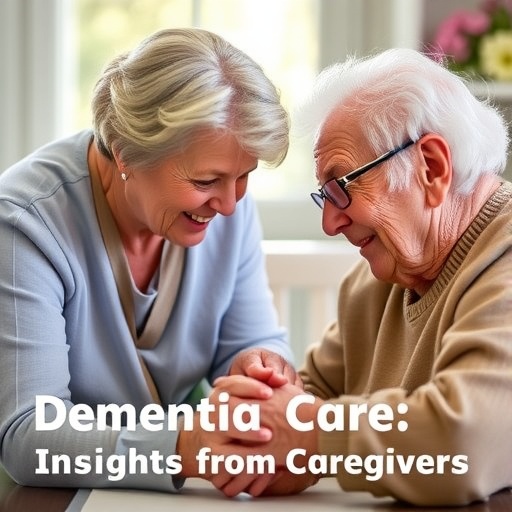
In the arena of dementia care, a novel study has surfaced, casting light on the significant impact of caregiver-reported good practices. In a groundbreaking piece of research published in BMC Geriatrics, researchers Tanaka, Tenjin, Atosako, and colleagues delve into the intricate connections between these reported practices and the condition of those receiving care. Using advanced text mining techniques, they identified various caregiving strategies that could be pivotal in improving the quality of life for dementia patients.
Dementia, a complex and multifaceted condition, challenges not only the individual suffering from cognitive decline but also the caregivers tasked with their daily support. The burden of caregiving is immense, often leading to physical, emotional, and psychological strain on those providing care. Therefore, understanding the types of practices that contribute positively to the care recipient’s condition is of paramount importance. The study explores this critical intersection where caregiver input may herald the development of effective care strategies.
The researchers employed sophisticated text-mining methods to systematically analyze caregiver reports on their experiences and practices. Through this approach, they were able to extract meaningful insights from large volumes of qualitative data. This is a significant advancement in research methodology within the field of geriatric care, where traditional qualitative analysis often struggles to draw comprehensive conclusions from vast narrative text data. Text mining, therefore, not only enriches the research landscape but also provides a more nuanced understanding of caregiver dynamics.
What stands out in this research is the proactive approach taken by the authors to identify “good practices” as reported by caregivers themselves. This self-reported data is invaluable, as it encapsulates real-world experiences and contextualizes the care environment in which caregivers operate. Such insights could pave the way for more tailored interventions which resonate with the lived experiences of caregivers, ultimately enhancing the care provided.
Analysis of the collected data revealed specific practices that caregivers consistently associated with improvements in the care recipients’ condition. These practices ranged from personal interactions and emotional support to routine management and environmental adjustments, highlighting the multifaceted nature of effective dementia care. Understanding which particular practices are linked to better outcomes can empower caregivers and inform best practices across varying caregiving contexts.
Equally vital is the acknowledgment of the emotional aspects of caregiving. Many caregivers reported that fostering emotional connections through patience and empathy significantly contributed to better outcomes for their loved ones. This emotional dimension can often be overlooked in research; however, its importance cannot be overstated. The study emphasizes that the quality of interpersonal relationships between caregiver and care recipient strongly influences the overall well-being of individuals with dementia.
The implications of this study extend far beyond just identifying good practices; it raises important questions about how we train and support caregivers in the field. The insights gained could inform educational programs aimed at equipping caregivers with practical skills and emotional resilience. Additionally, it could lead to advocacy for policies that recognize the essential role of caregivers and provide them with the resources necessary to navigate the complexities of dementia care.
Indeed, the study touches on policy implications as well, suggesting that health care systems should cultivate environments conducive to caregiver support. This could manifest in various forms such as enhanced access to training, peer support networks, or resources that facilitate self-care among caregivers. By investing in caregivers, society can ultimately improve the quality of care for dementia patients—creating a ripple effect that benefits everyone involved.
Importantly, this research does not simply serve as a testament to effective practices, but also highlights the need for continuous dialogue within the caregiver community. Knowledge sharing among caregivers about what works, through forums and platforms, can strengthen the collective ability to improve dementia care. The power of collaboration becomes evident as caregivers can learn from each other’s experiences and strategies, fostering a sense of community.
What could be next for research in this domain? The study opens doors for further investigation into how specific interventions based on these good practices can be operationalized effectively in different caregiving settings. Longitudinal studies that track the efficacy of implementing these practices over time could yield profound insights into the sustainability of care improvements. Understanding the long-term impacts of caregiver-reported practices could catalyze a more robust approach to dementia care worldwide.
The article also implicitly raises awareness about the need for cultural sensitivity in caregiving practices. Good practices may vary significantly based on cultural contexts, and the study’s findings could encourage a more personalized lens when considering practices across different demographics. Global conversations surrounding dementia care can benefit from recognizing these diverse perspectives, enriching the collective understanding of what constitutes effective caregiving.
In conclusion, Tanaka et al.’s illuminating study marks a significant step toward acknowledging the invaluable insights provided by caregivers in the dementia care arena. It champions an evidence-based framework for intervention while emphasizing the emotional and relational elements of caregiving. As society progresses towards better dementia care, harnessing the voices of those at the forefront—caregivers—will be essential in sculpting a future that prioritizes empathy, understanding, and effective strategies for care.
The implications of this research are far-reaching, illuminating pathways for enhanced caregiver support, refined care strategies, and ultimately, improved quality of life for individuals living with dementia. The findings serve as a rallying call to caregivers, healthcare professionals, policymakers, and society at large to unite in the endeavor of advancing dementia care comprehensively.
Subject of Research: Caregiver-reported practices in dementia care and their impact on care recipients’ conditions.
Article Title: Caregiver-reported good practices and their associations with care-recipient condition in dementia care: a text-mining study.
Article References:
Tanaka, H., Tenjin, M., Atosako, H. et al. Caregiver-reported good practices and their associations with care-recipient condition in dementia care: a text-mining study.
BMC Geriatr (2026). https://doi.org/10.1186/s12877-026-07062-0
Image Credits: AI Generated
DOI: 10.1186/s12877-026-07062-0
Keywords: Dementia, caregiver practices, text-mining, geriatric care, health policy.


