

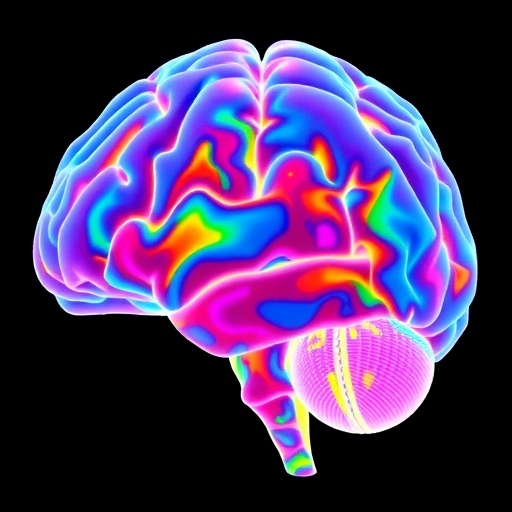
In a pioneering advance toward unraveling the molecular complexities of the human brain, researchers at Johns Hopkins Medicine, collaborating globally, have meticulously compiled an extensive atlas charting the development of the human neocortex. This endeavor, aggregating data from nearly two hundred published studies and encompassing over 30 million individual cells, presents an unprecedented resource for dissecting the genetic orchestration underpinning neocortical maturation. The neocortex, the brain’s outermost layer, orchestrates the high-order functions that define human cognition, including sensory processing, decision-making, and memory formation. The atlas’s granular insights lend critical understanding to neurodevelopmental disorders like autism spectrum disorder (ASD) and neurodegenerative diseases such as Alzheimer’s, which collectively affect millions globally.
Anchoring this research is Dr. Carlo Colantuoni, adjunct professor of neurology at Johns Hopkins Medicine and associate with the University of Maryland’s Institute for Genome Sciences. His team sought to decode the intricate cellular transitions that sculpt the neocortex from neural stem cells into fully differentiated cortical neurons. By integrating transcriptomic profiles across species—including mouse, monkey, and human neocortex samples—they revealed conserved yet evolutionarily adapted gene expression programs driving cortical expansion. Notably, human neurons exhibit protracted maturation timelines spanning many years, in stark contrast to the weeks observed in rodent models. This extended developmental window is hypothesized to underpin humans’ remarkable capacity for learning and environmental adaptation.
The new atlas unveils sequential waves of gene expression initiating in neural stem cells, progressing through intermediate progenitors, culminating in nascent cortical neurons. Mapping these trajectories at single-cell resolution offers insights into when and where disruptions manifest in developmental delays or disorders. For instance, understanding typical gene regulatory networks now sets a standard against which atypical neurogenesis in conditions like microcephaly can be contrasted. The importance of such resources is amplified by the increasing prevalence of ASD—affecting approximately 3% of US children—and the growing burden of Alzheimer’s in aging populations, with 11% of adults over 65 affected.
Importantly, the compiled data do not solely elucidate human-specific developmental patterns but also trace the evolutionary refinement of gene networks. The researchers demonstrated that gene expression programs present in early mammals have been re-focused and expanded in humans, particularly within neural stem cells. This evolutionary tuning likely facilitated the remarkable enlargement and sophistication of the human neocortex, accounting for species-specific cognitive advancements. The comparative dimension strengthens the model’s relevance across translational research, informing therapeutic strategies in both human and animal studies.
The maturation kinetics revealed by this compendium emphasize how cortical neurons undergo developmental processes over years in humans, contrasting sharply with the compressed timeline in rodents. Such elongated neurogenesis and synaptogenesis phases permit complex refinement driven by environmental and social experiences, essential for adaptable cognitive functions. This temporal expansion potentially explains humans’ unique vulnerability to neurodevelopmental perturbations but also highlights windows during which intervention could be most impactful.
To democratize access and foster global collaboration, the research team launched an open-access web portal, enabling scientists to explore gene expression patterns without requiring computational expertise. Users can visualize individual gene activity, analyze modules of co-expressed genes, and contribute datasets to enrich the collective understanding. This resource addresses a longstanding barrier in multi-omic brain research by integrating vast datasets into an accessible interface, promoting large-scale data-sharing and cross-disciplinary exploration.
This effort aligns with broader initiatives such as the Brain Research Through Advancing Innovative Neurotechnologies (BRAIN) Initiative and the Human Cell Atlas (HCA), which collectively strive to map cellular diversity and function at unparalleled resolution. Previous BRAIN projects have cataloged brain cell types in humans and mice, setting the stage for integrative atlases that delineate developmental trajectories and disease-associated alterations. Meanwhile, the HCA’s systemic approach to charting every cell in the human body provides complementary context, enabling researchers to link brain-specific findings to systemic physiology and pathology.
The implications of these atlases extend far beyond basic science. They underpin efforts to identify novel molecular targets for neurodevelopmental and neurodegenerative disorders, with the potential to harness artificial intelligence for precision medicine applications. By integrating extensive transcriptomic data with stem cell models, researchers envisage tailored therapeutic interventions that account for individual genetic and cellular variability. This precision approach represents a paradigm shift, moving beyond symptomatic treatment toward personalized modulation of brain development and aging processes.
In concert with these developments, the team has also created a specialized open-data resource focused on Alzheimer’s disease, further extending the translational impact. This resource aims to dissect the molecular underpinnings of neurodegeneration, facilitating the discovery of early biomarkers and novel intervention points. Together with the neocortical development atlas, these tools furnish an integrated framework for studying brain diseases across the lifespan, from embryonic origins to age-associated decline.
Looking forward, the researchers emphasize the critical need for expanded partnerships spanning academia, industry, and international bodies to advance these precompetitive data platforms. Such collaborations will amplify capacity to interrogate vast datasets, refine analytical algorithms, and translate discoveries into clinical innovations. The availability of open, harmonized datasets catalyzes a virtuous cycle of discovery, driving breakthroughs that could transform care for millions affected by brain disorders globally.
Dr. Colantuoni encapsulates the transformative potential of this approach: “We are in an unprecedented era where technological advancements and international cooperation empower us to decode the human brain’s complexity. By charting the neocortex’s molecular landscape with unmatched granularity, we open new horizons for understanding, diagnosing, and ultimately treating conditions that originate in the earliest stages of life and extend into old age.”
As these integrative brain atlases continue to evolve, they promise to reshape neuroscience research paradigms, fostering deeper insights into the cellular choreography that shapes human cognition and its disorders. The convergence of vast molecular datasets, sophisticated computational tools, and open-resource sharing marks a milestone in the quest to unlock the brain’s most profound mysteries.
Subject of Research: Cells
Article Title: A Curated Compendium of Transcriptomic Data for the Exploration of Neocortical Development
News Publication Date: 25-Mar-2026
Web References:
- Neocortical Development Open-Access Portal: https://nemoanalytics.org/landing/neocortex/
- Nature Neuroscience Article DOI: http://dx.doi.org/10.1038/s41593-026-02204-4
References:
- Colantuoni, C. et al., “A Curated Compendium of Transcriptomic Data for the Exploration of Neocortical Development,” Nature Neuroscience, 2026.
Image Credits: Carlo Colantuoni, Ph.D.
Keywords: Neuroscience, Genetics, Cell biology, Computational biology, Neurology, Omics, Evolutionary biology, Brain development, Cognitive development, Developmental neuroscience, Scientific collaboration, Big science, Basic research


