

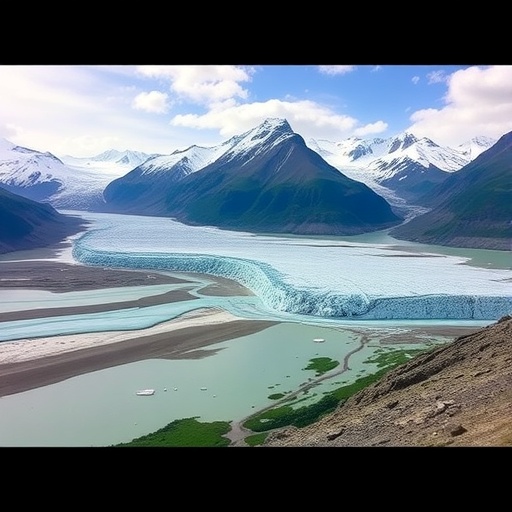
Glaciers, often perceived as perpetually frozen and desolate, are in fact dynamic biogeochemical hotspots that significantly influence the hydrology and nutrient cycling of the ecosystems surrounding them. Recent studies highlight the complex interplay between glacial processes and the biogeochemical functions they serve. Contrary to the notion that these icy realms are sterile, they serve as active reactors, processing and transporting key organic materials and nutrients to downstream environments. This re-evaluation of glacial ecosystems underscores their role in both local and broader environmental contexts.
The understanding of glacier biogeochemistry begins with supraglacial meltwaters. When glaciers thaw, meltwater streams rush down their surfaces, carrying with them not only fresh water but also a wealth of labile organic carbon and nutrients. These organic components derive largely from the active microbial communities that reside on the glacier surface, where unique ecological niches are created. The interplay between the microbial metabolism and the physical characteristics of meltwater influences the export of organic carbon, which can have significant downstream effects on aquatic biomes.
As meltwaters push towards the glacier’s terminus, they traverse complex pathways that merge different sources of organic and inorganic materials. This includes the incorporation of atmospheric deposition, which can add layers of additional nutrients that stimulate downstream productivity. The transport of these materials, particularly as they exit the glacier snout, reveals the glacier’s dual role as a climatic indicator and an ecological facilitator. The sediments, such as rock flour composed of finely ground rock particles, carry essential trace elements vital for biological growth in surrounding aquatic systems, which rely heavily on these nutrient inputs.
The influence of subglacial hydrology cannot be overstated in its role in glacial biogeochemistry. Within glaciers, meltwater flows beneath the ice, following intricate routes that impact the length of time that water remains in contact with the bedrock. This variable hydrology can significantly influence weathering processes, which involve the breakdown of minerals and the release of nutrients—a critical aspect of the biogeochemical cycling that supports downstream ecosystems. Different glaciers exhibit vastly different hydrological regimes, which can dictate the kind of biological and chemical processes taking place, ultimately affecting the nature of the ecological dynamics in the regions they feed.
A comparative look at the hydrology of major glacier formations like the Greenland Ice Sheet and mountain glaciers reveals distinct patterns. In the Greenland area, seasonal melting leads to relatively short water residence times, often ranging from mere hours to several weeks. This results in rapid transfers of organic and inorganic materials into the marine environments that lie downstream. However, in more isolated areas of the Greenland Ice Sheet, conditions can create periods of extended biogeochemical isolation where essential chemical transformations occur over more prolonged timescales.
In stark contrast, the Antarctic Ice Sheet, characterized by a dominance of basal ice melt, exhibits much longer water residence times that can span years or decades. This creates profound conditions for biogeochemical isolation and an environment where extensive chemical weathering processes can occur. The interplay of time and water chemistry in these systems allows for complex interactions that could either sequester or release greenhouse gases, challenging our understanding of their role in climate dynamics.
The microbial life thriving within these glacial environments plays a fundamental role in mediating biogeochemical processes. These microorganisms not only contribute to organic carbon cycling but also participate in the broader regulation of critical greenhouse gases. As glaciers retreat due to changing climate conditions, understanding the net effects of microbial processes in these ecosystem contexts becomes increasingly important.
The ramifications of glacier melt extend beyond the immediate environments they occupy. The organic carbon and nutrients carried downstream through glacial meltwaters have the potential to bolster productivity in river systems, fjords, and coastal oceans. Glacial-fed streams become conduits for life, fueling ecosystems that might otherwise be nutrient-poor. The rock flour rich in minerals acts as a fertilizer for aquatic flora, including phytoplankton, which forms the base of the marine food web.
The impending changes associated with rapid glacier retreat pose critical questions for ecological scientists. As global temperatures rise, predictions suggest significant reductions in glacier cover within the next century, catalyzing shifts in local watersheds and biogeochemical cycles. These alterations not only impact the immediate biota but also have far-reaching consequences for global biogeochemical cycles. Assessing these potential outcomes will be crucial for developing effective environmental management strategies to mitigate the impacts of climate change.
Furthermore, the cascading effects of glacial melt on watershed biogeochemistry underscore the intertwined nature of climate systems. As glaciers erode and release their storied histories of carbon, nutrients, and minerals, they shape not just the landscapes where they reside but also the fate of downstream ecosystems. Insights garnered from these processes can provide critical clues for understanding broader ecological shifts occurring in response to a warming climate.
To foster a sustainable future, researchers must continue to explore the intricate relationships between glaciers and their downstream effects. Investigating how glacial ecosystems adapt to and shape their environments will yield vital knowledge for preserving biodiversity and maintaining the delicate balance of our planet’s biogeochemical systems.
The wealth of information emerging from glacier biogeochemical studies advocates for greater recognition of these ice-capped giants as essential players in Earth’s systems. Comprehensive research initiatives will be essential in untangling the complex network of interactions that underlie the ecological processes occurring within and beyond glaciated regions. As humanity faces critical environmental challenges, the glacial realms offer an unparalleled opportunity to better understand our global ecosystem and its future trajectory.
By deepening our understanding of glacier biogeochemistry, we position ourselves to face the climatic uncertainties ahead with greater resilience. The journey into the heart of glaciers is not just an exploration of icy terrains; it is a quest for knowledge that could help secure a balanced relationship with our planet’s changing climate.
Subject of Research: Glacier Biogeochemical Cycling and Downstream Ecosystem Impacts
Article Title: Glacier Biogeochemical Cycling and Downstream Impacts
Article References:
Hawkings, J.R., Bradley, J.A., Doting, E.L. et al. Glacier biogeochemical cycling and downstream impacts.
Nat Rev Earth Environ (2025). https://doi.org/10.1038/s43017-025-00751-1
Image Credits: AI Generated
DOI: 10.1038/s43017-025-00751-1
Keywords: Glacier Biogeochemistry, Climate Change, Hydrology, Ecosystem Dynamics, Organic Carbon Cycling.


