

In the vast landscape of evolutionary biology, sexual reproduction stands as a seemingly indispensable mechanism, celebrated for its role in fostering genetic diversity and enabling populations to efficiently purge deleterious mutations. Since the early theoretical work of geneticists like Muller, it has been widely accepted that asexual, clonal lineages should accumulate harmful mutations unchecked, ultimately facing inevitable extinction. However, the enduring existence of certain asexual species challenges this canonical paradigm and beckons a deeper investigation into the evolutionary dynamics of clonality.
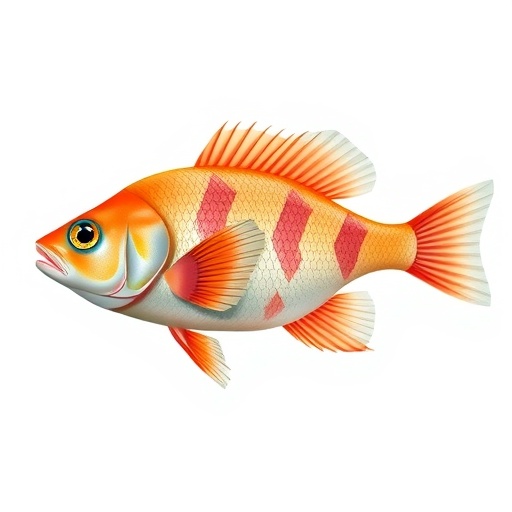
A groundbreaking study published in Nature by Ricemeyer et al. (2026) overturns long-held assumptions about the fate of clonal organisms by focusing on the Amazon molly (Poecilia formosa), a fish species known to reproduce exclusively through cloning. Despite its clonal reproduction and emergence from a singular hybridization event over 100,000 years ago, the Amazon molly has not succumbed to the mutational meltdown that classical theory predicts. Instead, it thrives, prompting researchers to explore the molecular and genetic processes underpinning this surprising resilience.
The investigation revealed that while the Amazon molly indeed accrues mutations at a higher rate than its sexual progenitor species, these mutations do not translate into functional decline or mutational decay. Detailed genomic analyses uncovered an unexpected mechanism at play — gene conversion. This process enables the correction or fixation of mutations within cloned lineages, effectively creating genetic variation within the asexual framework, a phenomenon previously thought exclusive to sexual recombination.
Gene conversion acts as a subtle yet potent force, operating to reverse deleterious mutations or homogenize beneficial alleles across the clonal genome. By doing so, it empowers natural selection to act on individual loci within the clonal population, mitigating the feared Muller’s ratchet effect whereby harmful mutations accumulate irreversibly. This mechanism ensures the Amazon molly can maintain genetic health and adapt to environmental pressures without sexual reproduction.
Furthermore, the research highlights that gene conversion plays a crucial role in resolving hybrid incompatibilities — genetic conflicts inherited from the species’ hybrid origin involving divergent ancestral haplotypes. Chromatin structure undergoes specific alterations following the transition to clonality, shaping how different genomes interact. Despite these changes, the molly’s asexual haplotypes retain complex and divergent mutational landscapes reminiscent of their progenitors, preserving a level of genomic mosaicism that may confer evolutionary advantages.
This discovery challenges the traditional dichotomy between sexual and asexual reproduction, elucidating that clonality is not synonymous with genetic stagnation. Instead, gene conversion introduces a dynamic dimension that facilitates both purifying and adaptive selection in a context previously believed to hinder evolutionary potential. These findings compel a reevaluation of how genetic diversity and fitness are maintained in clonal organisms over extended evolutionary timescales.
From a broader evolutionary perspective, understanding the mechanisms enabling successful asexual persistence carries profound implications. It sheds light on how lineages can circumvent the constraints imposed by the absence of meiotic recombination, informing not only evolutionary theory but also applied fields like conservation biology and pest management, where clonally replicating organisms play pivotal roles.
The study’s methodological rigor integrated high-throughput genomic sequencing, chromatin analysis, and comparative genomics, ensuring robust insights into the molecular underpinnings of clonality in this species. By contrasting the asexual molly with its sexual ancestors, the researchers could isolate the genetic changes associated explicitly with the shift to asexual reproduction and subsequent evolutionary maintenance.
Ricemeyer et al.’s work underscores gene conversion as a hitherto underappreciated driver of evolutionary dynamics in clonal lineages, proposing a model in which natural selection remains effective despite the absence of sexual reproduction. This insight bridges gaps in evolutionary biology concerning the paradox of asexual longevity, reconciling empirical observations with theoretical expectations.
The Amazon molly presents a compelling living model to dissect the evolutionary trade-offs underpinning sexual versus asexual reproduction. Through this research, the species embodies a natural experiment demonstrating that asexual organisms can harness alternative genetic mechanisms to counterbalance the limitations traditionally ascribed to clonality.
In conclusion, the revelation that gene conversion empowers natural selection within a clonal fish species revolutionizes our understanding of genetic resilience in the absence of sex. It opens new frontiers in evolutionary genetics, highlighting the complexity and ingenuity inherent in biological systems to survive and adapt, even when conventional evolutionary dogma suggests otherwise. This paradigm shift not only enriches fundamental evolutionary theory but also paves the way for novel strategies to investigate genome evolution across diverse taxa.
Subject of Research: Evolutionary mechanisms enabling genetic maintenance and selection in clonal organisms, specifically the role of gene conversion in the asexual Amazon molly fish.
Article Title: Gene conversion empowers natural selection in a clonal fish species.
Article References:
Ricemeyer, E.S., Schaefer, N.K., Du, K. et al. Gene conversion empowers natural selection in a clonal fish species. Nature (2026). https://doi.org/10.1038/s41586-026-10180-9


