

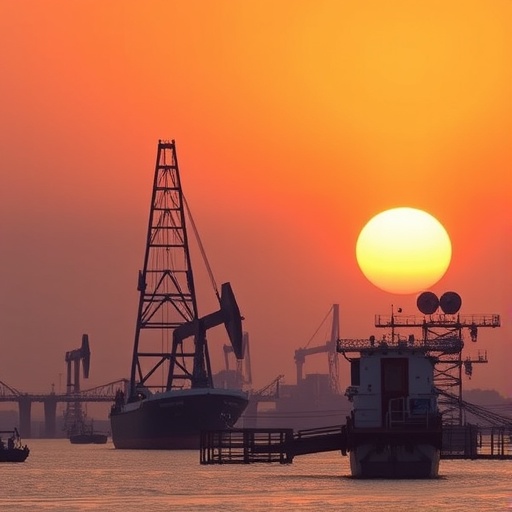
The Gulf Cooperation Council’s (GCC) swift advancement in renewable energy deployment stands as a beacon of rapid policy execution within centralized governance frameworks. This acceleration is propelled by decision-making systems that bypass prolonged consultative processes, enabling project cycles often completed within 18 to 24 months. Such expedited execution creates a substantial competitive edge. However, this cloud of efficiency conceals underlying governance vulnerabilities, particularly concerning institutional sustainability in the long term. The GCC’s approach diverges sharply from pluralistic governance models characterized by robust stakeholder engagement, comprehensive environmental assessments, and broadly distributed oversight, raising questions about the resilience and adaptability of its energy transition strategy.
Centralized governance in the GCC, while streamlined, introduces three prominent systemic risks that could undermine the energy transition. First is the risk of policy reversals that may occur with shifts in leadership priorities, threatening the continuity of renewable energy initiatives. Second, the concentration of feedback channels limits the system’s ability to adapt dynamically to emerging challenges or incorporate diverse insights. Third, there exists a potential disjunction between the tangible benefits of the energy transition and the broader societal inclusion in decision-making, potentially alienating segments of the population and limiting the social license essential for sustainable energy reforms.
Compounding these governance challenges is the complex interplay between renewable energy advancements and existing hydrocarbon institutions. The integration of renewables within frameworks traditionally dominated by national oil companies such as Saudi Arabia’s Aramco or the UAE’s ADNOC presents a paradox. These entities’ leadership in renewable energy development may optimize established institutional arrangements, yet risks perpetuating old power dynamics instead of fostering transformative economic diversification. Therein lies a danger that burgeoning renewable sectors remain tethered to hydrocarbon interests, constrained in their capacity to innovate freely or develop competitive markets independently capable of driving profound economic restructuring toward cleaner futures.
On the economic front, the GCC’s achievements in renewable energy brilliance occur against a backdrop marred by structural vulnerabilities that threaten to impede long-term sustainability. Despite eye-catching innovations and impressive cost reductions in clean energy technologies, a host of challenges loom that policymakers and investors must diligently navigate. At the core is the infamous hydrocarbon dependency paradox: renewable energy transitions depend heavily on continued revenues from oil and gas, exposing projects to the whims of volatile global fossil fuel markets. Oil price downturns translate directly into contracted government budgets, constraining renewable investments and jeopardizing long-term strategic planning.
The United Arab Emirates provides a compelling case study embodying both progress and persistent challenges within the GCC. The nation’s investment exceed $40 billion in clean energy infrastructure signals a robust commitment, yet the UAE remains one of the highest per capita carbon emitters worldwide. This stark contradiction underscores the difficulty of reshaping entrenched industrial processes and energy consumption patterns deeply inseparable from fossil fuels. This industrial inertia limits the pace and depth of decarbonization, illustrating the formidable barriers even well-resourced economies encounter in transitioning away from hydrocarbons.
Fiscal sustainability within the GCC further complicates the renewable energy trajectory. The region’s tax system remains notably underdeveloped outside of hydrocarbon revenues, significantly limiting fiscal flexibility needed for stable financing of renewables. The International Monetary Fund estimates that the potential tax-to-GDP ratio in the GCC hovers around 20%, yet actual tax revenue languishes below 5%, a stark deficit when compared to 15% averages in other emerging markets. Recent introductions of value-added tax (VAT) mechanisms offer some relief but fall short of establishing a diversified and reliable fiscal base capable of withstanding oil price shocks and sustaining long-term energy investments.
Human capital shortages emerge as a critical bottleneck in accelerating the renewable energy agenda. Leading renewable energy firms, such as Saudi Arabia’s ACWA Power, have aggressively expanded their workforces by 30% since 2019, yet only about one-third of these employees are indigenous to the Kingdom. This heavy reliance on expatriate expertise signals a concerning gap in the local labor force, limiting knowledge transfer and potentially slowing the momentum of energy transition. Without strategic initiatives focused on specialized training and education to cultivate homegrown talent, GCC nations risk an unsustainable dependence on foreign professionals, jeopardizing both energy sector resilience and the generation of domestic economic benefits.
A further complexity lies in reconciling renewable energy expansion with rising domestic energy demand, particularly from newly encouraged energy-intensive sectors such as data centers. Saudi Arabia’s ambitious energy roadmap aims to source a significant share of electrical power from renewables by 2030. Still, actual consumption could outpace projections if industrial growth accelerates beyond expectations. This demand-supply mismatch risks compelling continued or increased use of fossil fuel generation, directly contradicting clean energy commitments and revealing the fragility of planning assumptions underpinning renewable capacity development.
To safeguard against fiscal and energy supply vulnerabilities, GCC governments must embrace sophisticated medium-term fiscal frameworks rooted in the permanent income hypothesis. Such frameworks prioritize intergenerational equity, balancing resource extraction benefits with sustainable investment to maintain sufficient fiscal space for essential public expenditures. Execution of these fiscal reforms demands enhanced institutional capacity and rigorous fiscal risk analytics to enable prudent management of oil revenue volatility. Mobilizing robust non-hydrocarbon revenue avenues stands as a foundational pillar in reducing fiscal dependency on fluctuating oil markets and ensuring steady funding for renewable ambitions.
Despite the complexities outlined, the GCC’s renewable energy strides remain commendable. The region leverages its natural advantages—sun-drenched geographies ideal for solar deployment, sovereign wealth to underwrite innovation, and centralized authority to expedite large-scale projects. Yet the transition from hydrocarbon-heavy economies toward diversified, low-carbon futures transcends technological prowess. It requires addressing intertwined governance weaknesses, economic uncertainties, and human capacity challenges to realize the transformative potential of clean energy leadership.
A sobering element is the risk of institutional capture, where entrenched hydrocarbon sectors subsume renewable initiatives, perpetuating existing power concentrations instead of unleashing market competition or fostering entrepreneurial ventures. This scenario jeopardizes not only innovation trajectories but also the broader economic diversification goals crucial for GCC nations to future-proof prosperity beyond oil. Thus, careful institutional reforms must accompany technological progress to cultivate an ecosystem conducive to clean energy entrepreneurship and resilient market dynamics.
Moreover, the centralized nature of governance that accelerates project delivery could paradoxically hamper adaptability and societal inclusiveness vital for long-term sustainability. Incorporating wider stakeholder perspectives, implementing comprehensive environmental assessments, and fostering distributed oversight could strengthen legitimacy and enhance adaptive feedback loops. These measures become critical as the energy transition matures into complex systems requiring dynamic calibration responsive to environmental, economic, and social dimensions.
The persistence of fossil fuel reliance amidst renewable expansion underscores the region’s multifaceted transition dilemma: how to reconcile short-term fiscal imperatives tied to hydrocarbons with long-term decarbonization imperatives. Oil revenue volatility remains a specter looming over budget predictability and strategic clarity in renewable investments. Building resilience against such shocks through fiscal diversification and robust policy continuity mechanisms will be essential to avert disruptions compromising clean energy progress.
Finally, the human factor—labor skills, institutional capabilities, and societal engagement—emerges as an indispensable ingredient shaping the trajectory of the GCC’s energy metamorphosis. Long-term success depends not only on the quantity of renewable megawatts installed but equally on cultivating an indigenous workforce, empowering regulatory bodies, and involving the citizenry. Without these social foundations, the energy transition risks being a top-down imposition vulnerable to reversal or inertia.
In sum, the GCC’s renewable energy revolution encapsulates both dazzling promise and daunting complexity. Swift project execution, substantial investments, and pioneering technology adoption place the region among global energy transition frontiers. Yet the intricate web of governance fragilities, economic dependencies, capacity constraints, and evolving demand patterns caution against complacency. Realizing a genuine clean energy future will require nuanced reforms extending beyond infrastructure and innovation to encompass institutional robustness, fiscal resilience, human capital development, and broadened societal inclusion—transforming not only how energy is produced but how power, wealth, and opportunities are fundamentally structured across GCC societies.
Subject of Research:
Not explicitly provided in the text.
Article Title:
Not explicitly provided in the text.
Article References:
Temimi, A., Eid, A.G., Souki, K. et al. From hydrocarbons to hydrogen: how GCC oil giants are reinventing energy leadership. Humanit Soc Sci Commun 13, 149 (2026). https://doi.org/10.1057/s41599-025-06012-2
Image Credits:
AI Generated
DOI:
https://doi.org/10.1057/s41599-025-06012-2
Keywords:
Not explicitly provided in the text.


