

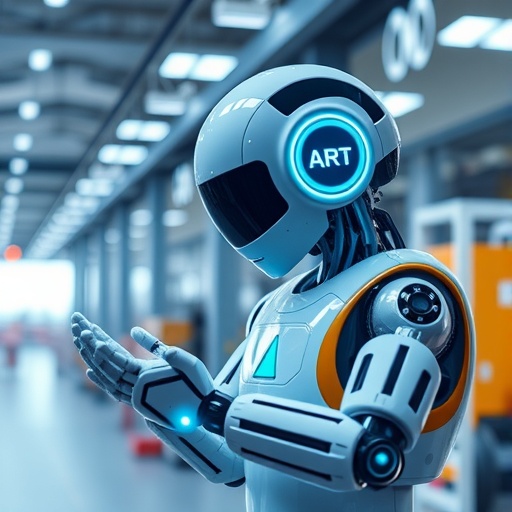
The rapid integration of artificial intelligence (AI), particularly generative AI, into the modern labor market marks a transformative era with profound implications for occupational health and safety. A groundbreaking open-access study spearheaded by researchers at the Universitat Oberta de Catalunya (UOC) delves deeply into these implications, articulating not only the benefits but also the emerging risks associated with this technological upheaval. As AI systems increasingly influence workplace decisions and processes, the research underscores the urgent need to prioritize human well-being alongside technological innovation.
Artificial intelligence is no longer a future concept but an embedded feature of many industries today. In sectors such as manufacturing and services, AI automates repetitive or precision-driven tasks that were once labor-intensive and prone to human error. This development enhances operational efficiency while reducing physical strain on workers. Examples include AI-powered assembly lines optimized for speed and accuracy, logistics systems managing real-time inventory, and automated chatbots handling routine customer inquiries. These tools free human employees to engage in more complex, value-added activities, but they also introduce new layers of interaction between humans and algorithms.
One of the hallmark features of modern AI in the workplace is its capacity to process vast datasets in real time, enabling enhanced decision-making support. Predictive analytics harnessed through AI can identify patterns in accident rates or health-related data, delivering actionable insights for preventive intervention. Furthermore, AI-driven collaborative robots or “cobots” are entering industrial settings, working alongside humans to boost productivity and safeguard workers from hazardous environments. The research from UOC stresses that these applications signify an ongoing integration rather than a speculative future, raising questions about governance, ethics, and worker experience.
Despite its promise, this technological revolution represents a paradigm shift fundamentally different from previous industrial transformations. Unlike mechanization or electrification, which primarily automated manual tasks, AI systems are now making autonomous decisions that affect work organization, employee evaluation, and operational flows. This shift transfers decision-making power in unprecedented ways, challenging traditional labor dynamics and regulatory frameworks. Xavier Baraza, dean of the UOC’s Faculty of Economics and Business and co-author of the study, emphasizes that the immediacy and scope of AI’s influence necessitate a comprehensive rethinking of occupational health and safety protections.
The study reveals that the acceleration of AI implementation may produce unintended psychosocial risks, including technostress—a condition that stems from the pressure to adapt quickly to new digital tools without adequate training or preparation. Employees often experience stress due to rapidly changing workflows and expectations imposed by AI systems. Another significant concern is the heightened perception of surveillance, driven by AI-powered monitoring technologies such as biometric sensors, facial recognition cameras, and productivity tracking algorithms. These systems, intended to optimize performance, can erode privacy and foster mistrust within the workplace culture.
A further complication involves the opaque nature of AI decision-making algorithms. Workers frequently lack transparency about how evaluations or scheduling decisions are generated, resulting in uncertainty and skepticism. This opacity not only affects morale but can lead to ethical and legal dilemmas, particularly when algorithmic biases inadvertently shape assessments. The research highlights the critical importance of designing AI systems with transparency, fairness, and accountability to mitigate these impacts and build trust between employers and employees.
The study’s authors caution against rushed implementations that prioritize efficiency or control over employee welfare. A responsible approach requires a robust occupational health and safety culture that incorporates preventative thinking into the design, deployment, and regulation of AI technologies. Joan Torrent, co-author and director of the UOC’s DIGIT research centre, argues for a “people-first” philosophy, emphasizing that technological tools should enhance—not compromise—the quality of work and the well-being of the workforce.
As AI adoption surges, regulatory and ethical frameworks are struggling to keep pace with the practical realities faced by workers. The UOC study advocates for the adaptation of existing labor protection laws rather than the creation of entirely new regulations. Baraza highlights the necessity of foreseeing emerging scenarios and applying preventive principles proactively. This approach would ensure that legislation evolves in harmony with technological advancements, averting harm before it manifests rather than responding reactively.
The future trajectory of this research will focus on granular analyses of AI’s effects within specific occupational contexts. This includes investigating how AI technologies influence physical health outcomes, workplace safety metrics, and organizational structures. The goal is to generate actionable evidence to guide companies, policymakers, and labor organizations in making informed decisions that leverage AI’s potential without compromising worker rights or safety.
Importantly, this study aligns with broader global objectives related to digital transition, sustainability, and ethical technology use. It contributes directly to United Nations Sustainable Development Goals, particularly those focused on good health and well-being (SDG 3), decent work and economic growth (SDG 8), and industry innovation and infrastructure (SDG 9). By bridging technical insights with social responsibility, the UOC’s research embodies a multidisciplinary commitment to shaping the future of work.
At the institutional level, the UOC embraces research as a strategic means to drive societal transformation. Their extensive network of over 500 researchers operating within diverse thematic units underscores an interdisciplinary ethos, tackling contemporary challenges from lifelong learning to planetary well-being. Platforms like Hubbik foster knowledge transfer and entrepreneurial efforts, ensuring that research findings translate into practical innovations beneficial to society.
In conclusion, the rapid infusion of artificial intelligence into the labor market is reshaping occupational health and safety landscapes in profound ways. The UOC’s research emphasizes that safeguarding worker welfare amidst this transformation requires not just technological solutions but a holistic, ethical, and anticipatory approach. Ensuring AI serves as a tool for human flourishing—rather than an agent of new risks—demands vigilance, collaborative governance, and an unwavering commitment to placing people at the nexus of innovation.
Subject of Research: Occupational Health and Safety Implications of Artificial Intelligence Integration in the Workplace
Article Title: Occupational Health and Safety in the Age of Artificial Intelligence: Insights from the Universitat Oberta de Catalunya
Web References:
- Study DOI: 10.3390/encyclopedia6010025
- Universitat Oberta de Catalunya: www.uoc.edu
- ICT Interdisciplinary Research – AI Lab: i2TIC-IA Lab
Keywords: Artificial intelligence, occupational health and safety, technostress, workplace surveillance, algorithmic transparency, predictive analytics, collaborative robotics, ethical AI, labor market transformation


