

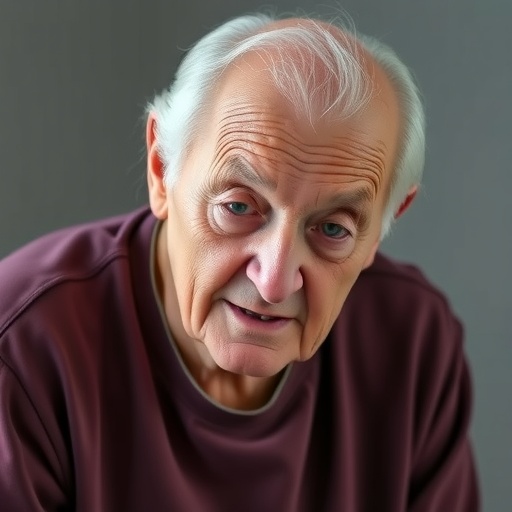
In the rapidly evolving field of geriatric medicine, understanding the intricate relationship between physical frailty and biochemical markers remains a critical frontier. A recent groundbreaking study by Ağan, F.Z., Çindoğlu, Ç., Dalbaşı, M., and colleagues published in BMC Geriatrics (2026) has shed new light on how the frailty index correlates with handgrip strength and an array of biochemical parameters in older adults. This comprehensive investigation offers profound insights into the biological underpinnings of frailty, potentially revolutionizing the ways healthcare professionals assess and manage aging populations.
Frailty is a clinical syndrome characterized by diminished strength, endurance, and physiologic function that increases vulnerability to adverse health outcomes. It embodies a complex interplay of physical, psychological, and social factors. The frailty index, a quantitative measure, aggregates various health deficits to provide a holistic perspective on an individual’s frail state. Despite its clinical importance, the molecular and physiological dimensions of frailty require deeper exploration to enhance predictive accuracy and therapeutic interventions.
Handgrip strength, a simple yet robust marker of muscle function, has been increasingly recognized as an important indicator of overall health status in the elderly. Its ease of measurement and strong correlation with morbidity and mortality make it a valuable clinical tool. However, while handgrip strength reflects muscular function, its integration with biochemical data offers a more multidimensional view of the aging process, encompassing metabolic, inflammatory, and nutritional factors.
The study meticulously analyzed data from a cohort of geriatric patients, measuring handgrip strength alongside a comprehensive panel of biochemical markers. These markers included inflammatory cytokines, metabolic byproducts, micronutrient levels, and hormones associated with aging. This multidimensional approach allowed the researchers to capture a detailed physiological profile that correlates with frailty severity.
One of the most striking findings was the pronounced association between decreased handgrip strength and elevated inflammatory markers such as C-reactive protein (CRP) and interleukin-6 (IL-6). Chronic low-grade inflammation, commonly referred to as “inflammaging,” is thought to contribute significantly to the pathophysiology of frailty by accelerating muscle catabolism and impairing regeneration. The elevated levels of inflammatory biomarkers observed in this study provide compelling evidence supporting this hypothesis.
Moreover, alterations in metabolic parameters, including insulin resistance markers and lipid profiles, showcased a notable relationship with frailty indexes. Dysregulated glucose metabolism and lipid abnormalities can exacerbate muscle wasting and reduce physical resilience, further linking metabolic health with frailty progression. The study’s insights into these metabolic disruptions underscore the importance of holistic metabolic assessment in geriatric care.
Interestingly, hormonal profiles also played a significant role. Reduced levels of anabolic hormones such as testosterone and insulin-like growth factor-1 (IGF-1) were consistently associated with higher frailty index scores and weaker handgrip strength. These hormones are integral to muscle maintenance and repair, and their decline with age is a critical factor in sarcopenia—the loss of muscle mass and function—a key component of frailty.
Micronutrient deficiencies, including vitamin D and essential trace elements, were prevalent among frail individuals. Vitamin D deficiency is widely recognized for its impact on musculoskeletal health, immune function, and chronic disease risk. The study’s data reinforce the notion that adequate micronutrient status is vital for preserving muscle strength and mitigating frailty.
This study also highlights the interactive dynamics between biochemical and physical indicators of aging. The convergence of decreased handgrip strength with biochemical abnormalities suggests that frailty is not merely the consequence of chronological aging but a multidimensional syndrome influenced by systemic physiological deterioration.
Technological advancements in bioassays and analytical platforms facilitated precise measurements of subtle biochemical changes, enabling this comprehensive analysis. By integrating these complex datasets through sophisticated statistical models, the researchers could disentangle the multifactorial nature of frailty, paving the way for more personalized diagnostics and therapeutic strategies.
Clinically, the implications of linking frailty index with handgrip strength and biochemical markers are profound. It proposes a dual-assessment framework wherein simple physical tests can be augmented with biochemical profiling to better stratify risk, monitor progression, and tailor interventions in elderly populations. This could lead to earlier detection of frailty states and prompt implementation of targeted treatments, potentially improving quality of life and reducing healthcare burdens.
Furthermore, the insights from this study may inform the development of novel therapeutics aimed at modulating inflammatory pathways, enhancing metabolic function, and correcting hormonal imbalances to combat frailty. Nutritional supplementation and physical rehabilitation programs can be optimized using this integrated approach to preserve muscle function and systemic health.
Future research inspired by these findings is likely to delve into longitudinal analyses that track the evolution of biochemical and physical frailty markers over time. Such studies would deepen our understanding of causal mechanisms and intervention windows. They may also explore genetic and epigenetic factors modulating individual susceptibility to frailty.
The potential to transform geriatric care using markers easily measurable in clinical settings, combined with biochemical signatures, could lead to a paradigm shift toward precision medicine in aging. With populations globally trending toward increased longevity, addressing frailty with a molecularly informed toolkit is not just timely but imperative.
Ultimately, this study by Ağan and colleagues represents a significant milestone in geriatric research, underscoring the critical importance of integrating physiological, biochemical, and functional metrics into a unified model to unravel the complexity of frailty. It offers hope for more effective prevention, diagnosis, and management of age-related decline, promising a future where aging populations can maintain independence and vitality longer.
As the scientific community continues to build on these revelations, the interplay of inflammation, metabolism, hormones, and muscle function will remain a rich area for innovation. The integration of such biomarkers into routine clinical evaluation could redefine standards of care and spur the creation of holistic treatment paradigms that address the multifaceted nature of frailty, ultimately improving outcomes for millions of elderly individuals worldwide.
The detailed associations revealed in this investigation challenge simplistic views of aging and compel health professionals to adopt multifactorial strategies, combining biochemical insights with physical assessments. This comprehensive approach marks a departure from one-dimensional models and aligns with the complexity inherent in biological aging.
Such research not only expands the scientific understanding of frailty but also empowers clinicians with actionable information. By capturing the biochemical signatures that accompany physical decline, medical practitioners can better anticipate complications, personalize interventions, and optimize resource allocation, fundamentally transforming geriatric health management.
With the convergence of multidisciplinary expertise in aging biology, biochemistry, and clinical practice, studies like this advance the frontier of aging research. They offer a glimpse into a future where the nuances of frailty are no longer inscrutable challenges but manageable conditions addressed through targeted, data-driven care policies.
As aging demographics continue to rise worldwide, the urgency to implement such integrative assessment frameworks grows ever stronger. The scientific and medical communities owe it to the aging populace to harness these insights, leveraging them into practical, frontline solutions that will reshape the experience and quality of senescence.
Subject of Research:
Frailty in geriatric patients and its association with handgrip strength and biochemical markers.
Article Title:
Association of frailty index with handgrip strength and biochemical parameters in geriatric patients.
Article References:
Ağan, F.Z., Çindoğlu, Ç., Dalbaşı, M. et al. Association of frailty index with handgrip strength and biochemical parameters in geriatric patients. BMC Geriatr (2026). https://doi.org/10.1186/s12877-026-07419-5
Image Credits: AI Generated


