

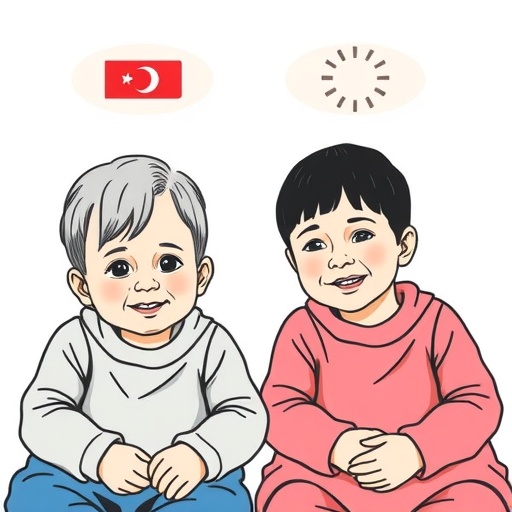
In recent years, the importance of social and emotional development in preschool children has gained recognition from educators and researchers globally. In an insightful study conducted by N. Alaçam, the strategies employed to foster this vital aspect of development in preschool children in both Turkey and the United States are meticulously explored. The research emphasizes how socioeconomic and cultural contexts shape the methodologies adopted in these two distinct nations. As we delve into the findings of this study, it becomes evident that while there are parallel aims in enhancing emotional intelligence and social skills among young children, the approaches display fascinating divergences.
One of the critical dimensions of Alaçam’s research is the evaluation of pedagogical frameworks that underpin social and emotional learning (SEL) in preschool settings. In the United States, early childhood education programs often incorporate SEL principles into their curricula, fostering environments where children’s emotional expressions are recognized and valued. For instance, educators in many American preschools utilize structured activities that encourage children to articulate their feelings and resolve conflicts amongst peers. This proactive approach lays a foundation for emotional literacy, which is crucial for children’s long-term social integration.
Contrastingly, in Turkey, the exploration of social and emotional development is often intertwined with traditional educational methods and cultural norms. Alaçam notes that while there is a growing interest in implementing modern pedagogical strategies, many Turkish preschools still emphasize rote learning and teacher-led instruction. This creates a dynamic where children’s emotional needs can sometimes be overlooked. Nevertheless, some progressive programs in Turkey are beginning to incorporate playful and interactive strategies to promote social skills, such as group games and collaborative projects. This reflects a shift towards recognizing the significance of holistic education that attends to emotional needs alongside academic learning.
Alaçam’s research highlights the role of parental involvement in shaping children’s social and emotional development. In the United States, there is a strong emphasis on engaging parents through workshops and community programs. These initiatives provide parents with tools and resources to support their children’s emotional growth at home, thereby reinforcing the skills learned in preschool. Conversely, the study draws attention to the varying degrees of parental engagement in Turkey, often influenced by socioeconomic factors and cultural expectations. When parents are involved, the results speak volumes; children demonstrate better emotional regulation and social skills, showcasing the need for fostering partnerships between preschools and families.
The study also delves into the training and preparedness of educators in both countries. In the United States, many early childhood educators receive specialized training in SEL, equipping them with strategies to identify and address children’s emotional needs. This professional development is integral to creating a nurturing classroom environment where children feel safe to express themselves. In Turkey, however, there is a noticeable gap in the specific training focused on social and emotional strategies. Many educators may lack the necessary skills to facilitate discussions around emotions or manage conflicts, highlighting an area for urgent improvement in teacher education programs.
Another intriguing aspect of Alaçam’s study is the impact of cultural narratives on children’s understanding of emotions. In the U.S., storytelling and literature play a vital role in helping children make sense of their feelings. Popular children’s books often explore themes of friendship, empathy, and resilience, serving as tools for discussion in the classroom. On the other hand, in Turkey, traditional tales and folklore are prevalent, yet they may not always address emotional complexities in ways that resonate with contemporary societal challenges. This difference underscores the necessity for integrating modern narratives that reflect the emotional experiences children face today.
Building on these insights, Alaçam proposes several strategies that can be beneficial for both countries. For instance, creating partnerships between preschools and mental health professionals can enhance the support provided to children. Additionally, implementing cross-cultural exchanges between educators from Turkey and the United States could enhance understanding and adaptability of effective social-emotional teaching practices. Cultural exchange fosters global perspectives while allowing educators to adapt successful strategies to their local contexts.
As Alaçam articulates, the significance of social and emotional development cannot be overstated. Beyond aligning with academic achievement, these skills play a pivotal role in the overall well-being of children. Individuals with strong emotional and social competencies exhibit enhanced relationships, greater resilience in adversity, and improved mental health outcomes. Thus, fostering these attributes from an early age sets a positive trajectory for lifelong development.
In conclusion, the exploration of strategies to support the social and emotional development of preschool children in both Turkey and the United States reveals intricate dynamics influenced by cultural context, educational frameworks, and societal expectations. While each country showcases unique practices shaped by its cultural identity, the overarching goal remains the same: to cultivate emotionally intelligent, socially adept individuals. As research like Alaçam’s continues to illuminate best practices and innovative approaches, educators around the globe are better equipped to meet the emotional needs of their students, ultimately enriching the next generation.
With the increasing awareness of the crucial role of social and emotional skills in education, future research should focus on effective policy implementations that bridge the best practices from various educational systems. A continued commitment to professional training, parental involvement, and community engagement can only strengthen our efforts in nurturing emotionally healthy children. Collaborative initiatives that promote global dialogue among educators will also foster a deeper understanding of the diverse needs of children across cultures, ensuring that no child is left behind in their emotional and social development journey.
By prioritizing social and emotional development as a critical component of education, we not only prepare children for academic success but equip them with vital life skills that contribute to a more empathetic and understanding society. This dual focus on emotional intelligence alongside cognitive skills will yield benefits that transcend the classroom, ultimately preparing children to navigate the complexities of life with resilience and confidence.
Subject of Research: Social and emotional development strategies for preschool children in Turkey and the United States.
Article Title: Strategies to Support Social and Emotional Development of Preschool Children in Turkey and the United States.
Article References:
Alaçam, N. Strategies to Support Social and Emotional Development of Preschool Children in Turkey and the United States.
IJEC (2025). https://doi.org/10.1007/s13158-025-00463-z
Image Credits: AI Generated
DOI: https://doi.org/10.1007/s13158-025-00463-z
Keywords: social-emotional learning, early childhood education, preschool development, cross-cultural education, emotional intelligence.


