

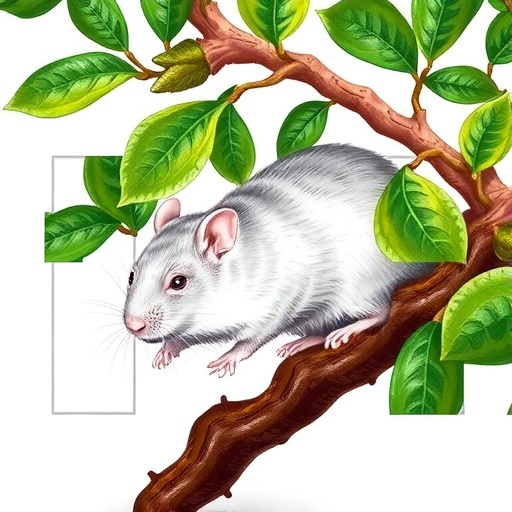
A groundbreaking study has unveiled the potential of Ficus religiosa, commonly known as the sacred fig, in combating neurodegenerative changes associated with Alzheimer’s disease. The research, led by Massand et al., highlights how leaf extracts from this revered plant demonstrate neuroprotective properties, particularly in relation to neurofibrillary tangles and amyloid plaques, which are hallmark features of Alzheimer’s pathology. This promising discovery not only underscores the importance of traditional medicinal plants but also opens new avenues in the development of therapeutic strategies for neurodegenerative disorders.
The study was conducted on Wistar rats that were exposed to aluminium chloride, a substance known to induce neurotoxicity and facilitate the formation of amyloid plaques and neurofibrillary tangles. The researchers meticulously administered Ficus religiosa leaf extract to these rats and monitored the changes in their neurological health. The results were remarkable, revealing a significant reduction in the presence of neurotoxic aggregates, suggesting the extract’s impressive capability to reverse the effects of induced neurodegeneration.
Neurodegenerative diseases such as Alzheimer’s are characterized by a progressive decline in cognitive function, largely attributed to the accumulation of amyloid beta plaques and paired helical filaments in the brains of affected individuals. Such findings demonstrate the efficacy of herbal treatments that have been traditionally overlooked in contemporary medicine. By integrating ethnobotanical knowledge with modern scientific inquiry, the study provides compelling evidence that natural compounds have a pivotal role in cognitive preservation and restoration.
The phytochemical composition of Ficus religiosa is touted for its diverse bioactive compounds, including flavonoids, tannins, and phenolic acids. These compounds are believed to exert antioxidant effects that neutralize free radicals and combat oxidative stress—a known contributor to cognitive decline. It’s these protective features that researchers are increasingly focusing on to address the chronic inflammation and cellular damage that underlie neurodegenerative diseases.
In the experiment, the rats that received the leaf extract exhibited marked improvements in behavioral tests that measure cognitive function. Such behavioral assessments are critical in establishing the efficacy of therapeutic agents, offering insights into how treatments can mitigate stress-induced cognitive decline. The results advocate for further exploration into herbal pharmacology as it pertains to neurodegenerative diseases, setting a precedence for future studies focused on plant-based therapeutics.
The neuroprotective potential of Ficus religiosa can have significant implications for public health. As the elderly population continues to rise globally, so does the prevalence of Alzheimer’s and other neurodegenerative conditions, making this research exceptionally timely. By exploring the medicinal properties of plants that have culturally been used for generations, scientists are delving into a treasure trove of knowledge that could lead to effective interventions against age-related cognitive decline.
As the study progresses, the researchers emphasize the importance of understanding the molecular mechanisms behind the observed neuroprotective effects. It remains essential to identify which specific compounds within the Ficus religiosa extract contribute most significantly to its protective capabilities. This understanding could not only enhance the formulation of future treatments but also provide a framework for the synthesis of new drugs that mimic these beneficial phytochemicals.
Collaborations between conventional medicine and herbal practices are increasingly being recognized as a viable approach for treating complex diseases. Findings from such studies encourage a more integrative perspective towards therapy, wherein the complementary aspects of traditional and modern medicine can flourish together. As clinicians begin to appreciate the value of phytotherapy, patient care can become more holistic, addressing both the symptoms and underlying causes of neurodegenerative diseases.
Furthermore, the study calls for comprehensive clinical trials to assess safety and efficacy before the widespread use of Ficus religiosa in therapeutic contexts. Understanding the pharmacokinetics and potential side effects of herbal extracts is vital to ensure that natural remedies can be safely incorporated into treatment regimens. Rigorous scientific methodology will help bridge the gap between traditional knowledge and modern therapeutic practices, establishing a new paradigm in the fight against neurodegeneration.
The broader implications of this research extend beyond just one plant; it represents a growing movement towards identifying plant-based solutions to health crises affecting millions. With the continual discovery of new bioactive compounds from various plants, there is hope that more natural treatments for a wide range of ailments may soon be on the horizon. This study is an initial step towards quelching the mystery surrounding effective plant-based neurotherapeutics, further igniting interest in the synergy of nature and science.
In conclusion, as researchers continue to investigate the capabilities of Ficus religiosa and other medicinal plants, a new chapter in neuropharmacology may be unfolding. This study not only adds to our understanding of the sacred fig’s potential but also inspires ongoing research into the myriad of ways that nature can guide us toward healing. A greater appreciation for traditional knowledge, paired with modern scientific rigor, may offer the keys to unlocking future advancements in neurodegenerative disease treatment.
The findings from the research conducted by Massand and colleagues highlight a promising intersection between ancient wisdom and contemporary scientific investigation. As we stride confidently towards exploring the medical applications of botanicals, we may better understand how to preserve our cognitive health amidst the challenges posed by aging populations and degenerative diseases. The future holds promise, and the potential for Ficus religiosa as a therapeutic agent may just be the beginning of a widespread renaissance in the field of herbal medicine and its role in neurological health.
Subject of Research: Neuroprotective effects of Ficus religiosa leaf extract on neurodegeneration in Wistar rats.
Article Title: Ficus religiosa leaf extract mitigates the neurofibrillary tangles and amyloid plaques in aluminium chloride exposed Wistar rat brain.
Article References:
Massand, A., Rai, R., Rai, A.R. et al. Ficus religiosa leaf extract mitigates the neurofibrillary tangles and amyloid plaques in aluminium chloride exposed Wistar rat brain. 3 Biotech 16, 54 (2026). https://doi.org/10.1007/s13205-025-04647-1
Image Credits: AI Generated
DOI: https://doi.org/10.1007/s13205-025-04647-1
Keywords: Neuroprotection, Ficus religiosa, Alzheimer’s disease, neurodegeneration, traditional medicine, phytochemistry, cognitive health.


