

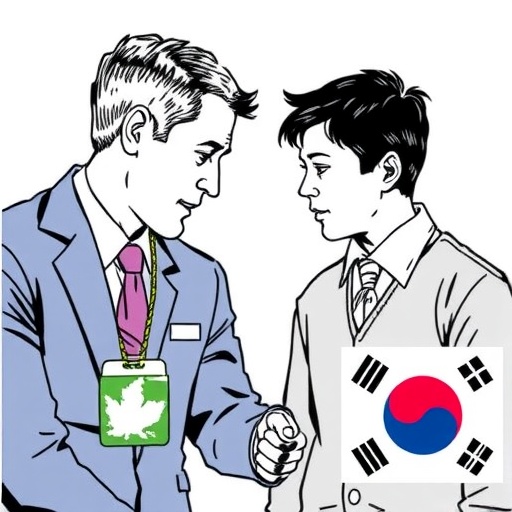
In a groundbreaking study set to illuminate the dynamics of father-child relationships across cultural contexts, researchers from the Netherlands and South Korea have recently published their findings on the impact of paternal parenting styles on child self-control. The study, spearheaded by esteemed researchers Kim, Bravo, and Richards, has delved into the varying parenting practices that fathers employ and how these influence children’s ability to self-regulate. With self-control being a vital predictor of children’s behavioral outcomes, academic success, and social interactions, the implications of this research are profound, resonating with parental figures and educators alike.
The concept of self-control in childhood is multifaceted, encompassing emotional regulation, impulse control, and the capacity to postpone gratification. These skills are crucial as children navigate their formative years, establishing the foundational habits that will shape their adult lives. Previous research has underscored the role of parental involvement in fostering these capabilities, yet a comprehensive examination specifically targeting fathers has been scant. This study sets out to fill that gap, particularly comparing the distinct societal norms and practices surrounding fatherhood in the Netherlands versus South Korea.
In the Dutch context, the prevailing approach to fatherhood is often characterized by an egalitarian model of parenting. Typically, Dutch fathers are more involved in day-to-day child-rearing activities, reflecting broader societal values of gender equality and bipartite parental partnerships. By analyzing how this model promotes self-control in children, the research provides significant insights into the effectiveness of shared parenting responsibilities in nurturing self-regulatory skills.
Conversely, South Korea presents a stark contrast with its usually traditional views on fatherhood, where paternal roles have historically been more authoritarian. In South Korean culture, fathers often adopt a more disciplinarian stance, with an emphasis on obedience and academic achievement. This study suggests that such approaches might affect children’s self-control differently, providing a compelling basis for understanding how cultural attitudes toward parenting shape developmental outcomes.
The researchers employed an innovative methodology, utilizing both qualitative interviews and quantitative behavioral assessments to gather data from a diverse pool of participants in both countries. This multifaceted approach enabled the team to gain a more nuanced comprehension of the varying parenting styles and their direct correlation with children’s self-regulatory abilities. Interviews collected firsthand accounts from fathers regarding their parenting practices, while behavioral assessments evaluated children’s self-control through established psychological metrics.
Preliminary findings indicate that there are notable distinctions in self-control levels among children raised under different paternal influences. Children in the Netherlands, where fathers actively participate in emotional discussions and shared decision-making, exhibited higher levels of self-regulatory skills. In contrast, children from South Korea, where fathers emphasize discipline and control, demonstrated varying self-control outcomes depending on the level of engagement the father had beyond authoritative roles.
Moreover, the study suggests that the emotional bond between fathers and children is vital to developing self-control. It indicates that children who perceive their fathers as supportive and emotionally available tend to show better self-regulatory capabilities. This emotional connection allows children to better navigate their emotions, leading to improved impulse control and a greater ability to delay gratification, factors intrinsically linked to future success in various life domains.
With the emergence of globalized parenting practices, the study also posits that these differences in self-control are not static. The blend of cultural influences might lead to evolving parenting styles over time, suggesting a potential convergence of Western and Eastern parenting strategies. As South Korean fathers become increasingly involved in emotional nurturing, similar to their Dutch counterparts, the implications for child development could be transformative, creating opportunities for enhanced self-control among future generations.
Finally, the implications of this research are profound not only for parents and educators but also for policymakers aiming to support healthy child development. By acknowledging and integrating these findings into parenting programs and educational curriculums, stakeholders can foster environments that prioritize effective parenting practices. Doing so may significantly enhance children’s emotional and behavioral development across diverse cultural settings, ultimately contributing to healthier societies.
In conclusion, the nuanced examination of paternal influences on child self-control offered in this study provides an essential framework for understanding the vital role fathers play in the upbringing of self-regulating children. As research continues to unfold in this domain, it will undoubtedly maintain its relevance, highlighting the pivotal relationships that shape the lives of children around the globe. These findings encourage a reevaluation of paternal roles, urging fathers to engage actively in fostering their children’s ability to navigate the complexities of their emotional world.
Through rigorous research and cross-cultural comparisons, this study affirms that fathers are more than just primary caregivers; they are foundational figures in building children’s self-regulatory capacities. Their investment in nurturing emotional bonds, participating in upbringing, and sharing responsibilities can lead to profound changes in children’s developmental trajectories. The interlinking threads of culture, parenting, and child development weave together a story that underscores the irreplaceable role fathers play in shaping not only their children’s behaviors and responses but also the future of society itself.
Subject of Research: The impact of father’s parenting on child self-control in different cultural contexts.
Article Title: Father’s Parenting and Child Self-Control: A Comparison Between the Netherlands and South Korea.
Article References:
Kim, Y., Bravo, P., Richards, J.S. et al. Father’s Parenting and Child Self-Control: A Comparison Between the Netherlands and South Korea.
Child Psychiatry Hum Dev (2025). https://doi.org/10.1007/s10578-025-01903-6
Image Credits: AI Generated
DOI: 10.1007/s10578-025-01903-6
Keywords: parenting, fatherhood, child development, self-control, cultural comparison, emotional regulation


